Telangana paddy sowing rises to 6.37 lakh acres despite government diversification push
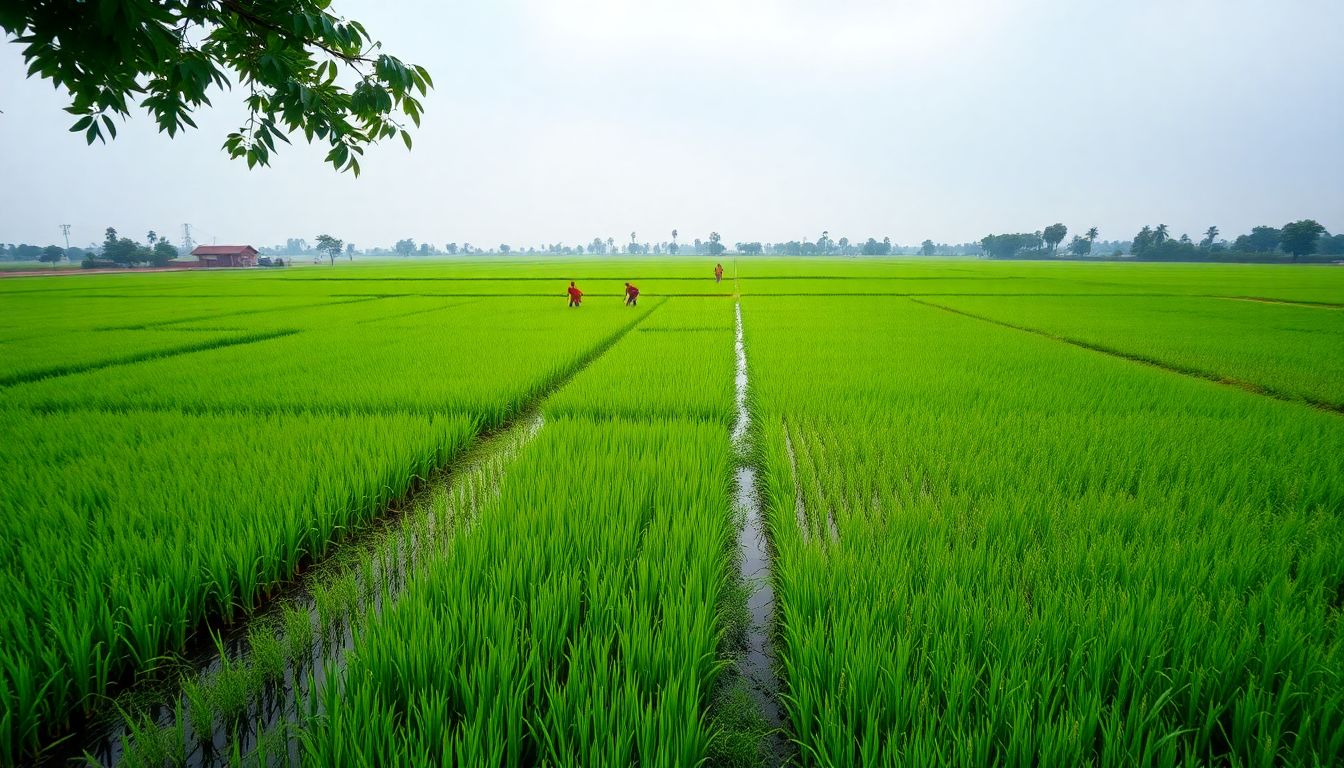
Paddy sowing in Telangana has increased to 6.37 lakh acres during the ongoing Vanakalam season as of July 14, 2026, despite the state government's active campaign urging farmers to diversify crops. The government had appealed to farmers in Hyderabad and across the state to shift away from water-intensive crops due to delayed rainfall, potential El Niño impacts, and looming water scarcity. However, official agricultural data reveals that many farmers have continued to prioritize paddy cultivation.
According to the official figures, the current paddy acreage of 6.37 lakh acres is a notable rise from the 5.66 lakh acres recorded during the same period last year. This current coverage represents approximately 9.67 percent of the state’s normal Vanakalam paddy cultivation area of 65 lakh acres.
The increase in cultivation comes despite a delayed start to the agricultural season caused by inadequate rainfall. The state government has repeatedly urged a shift to alternative crops to conserve water. However, farmers with access to borewell irrigation have largely persisted with paddy.
Yadagiri Reddy, president of the Telangana Farmers Federation, explained that some farmers have adopted a cautious approach by reducing their paddy cultivation by nearly half to manage risks. For instance, some farmers owning 10 acres have sown paddy on only five acres to minimize potential losses from water shortages.
Reddy also noted that crop diversification remains economically unviable without direct government incentives. He pointed out that alternative crops demand higher labor and investment costs compared to paddy, making financial support from the state essential to encourage a widespread transition.
While paddy cultivation rose, the acreage for several traditional crops saw a significant decline. Jowar cultivation fell to 16,835 acres from last year's 27,810 acres. Maize sowing also dropped sharply to 3,63,552 acres compared to 5,70,674 acres in the previous season. Total major millet acreage declined from 5,98,607 acres to 3,80,527 acres.
Conversely, pulse cultivation showed positive growth. The combined sowing area for pulses—including redgram, greengram, blackgram, horsegram, and cowgram—increased to 4,10,844 acres this season, up from 3,74,613 acres during the same period last year. Oilseeds also saw an increase, rising to 3,39,405 acres from 3,16,599 acres last year.