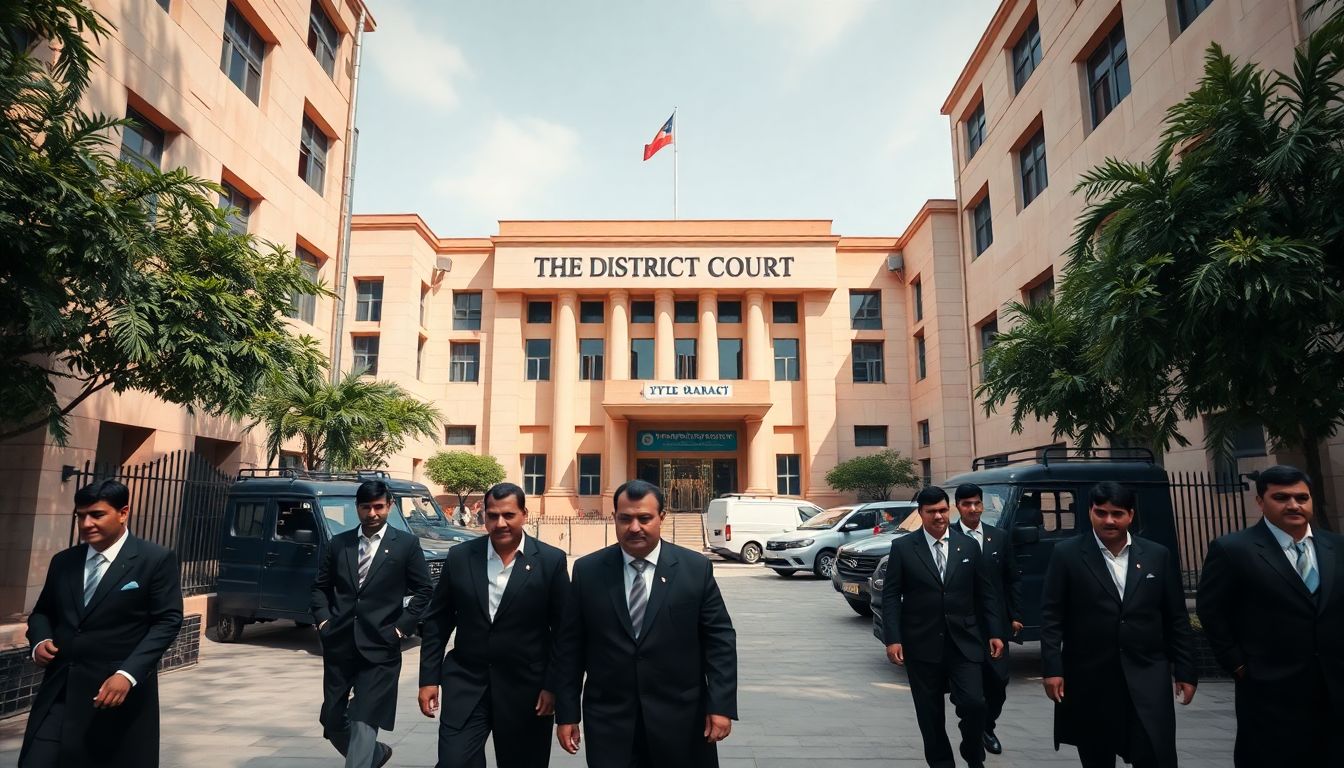
Telangana HC Upholds Preventive Detention for Selling Fake Insecticides

The Telangana High Court in Hyderabad has upheld the state government's decision to invoke preventive detention against individuals involved in stocking, selling, and distributing misbranded insecticides, ruling that such activities pose a threat to public order.
A division bench comprising Justice Moushumi Bhattacharya and Justice Renuka Yara dismissed a writ petition filed by Aerlam Muddangula Anuradha. The petition challenged a detention order dated September 8, 2025, issued against her husband, Muddangula Aditya, under the Telangana Prevention of Dangerous Activities Act, 1986.
According to the case details, Aditya allegedly procured fake pesticides from Uttar Pradesh, duplicated products carrying the brand names of reputed companies, and distributed them to farmers through agents across the Warangal police commissionerate area. The court noted that these products were misbranded and ineffective, potentially exposing farmers to substantial crop losses.
The bench stated that there was no illegality in applying the Preventive Detention (PD) Act in such circumstances. The judges observed that the impact of selling spurious agricultural chemicals extends far beyond individual commercial transactions. Farmers purchasing these products under the belief that they would safeguard their crops face potential crop failures, financial losses, and difficulties in repaying agricultural loans.
The court emphasized that such widespread harm has the potential to create alarm and insecurity among the farming community and disrupt public order. Consequently, the bench found it appropriate for the state to invoke the procedures laid down under the 1986 Act to prevent the recurrence of such offences.
The court also noted that Aditya had previously been released on bail in a related case but allegedly engaged in similar offences afterwards. The bench held that preventive detention remains justified when there is a credible risk of a person obtaining bail and subsequently engaging in activities prejudicial to public order.