National Handloom Award Winner Murakala Nataraju Shares Vision on Hyderabad Visit
Fourth-generation weaver Murakala Nataraju, who received the National Handloom Award from the President during the 12th National Handloom Day celebrations, spoke during a recent visit to Hyderabad about his work preserving traditional handloom heritage and training the next generation of artisans.
Nataraju, hailing from Alikam village near Srikakulam in Andhra Pradesh, has spent years blending ancestral weaving techniques with contemporary motifs. Speaking about the national honour, he credited the recognition to his fellow weavers, stating that the award represents the collective efforts of the craftspeople working with him.
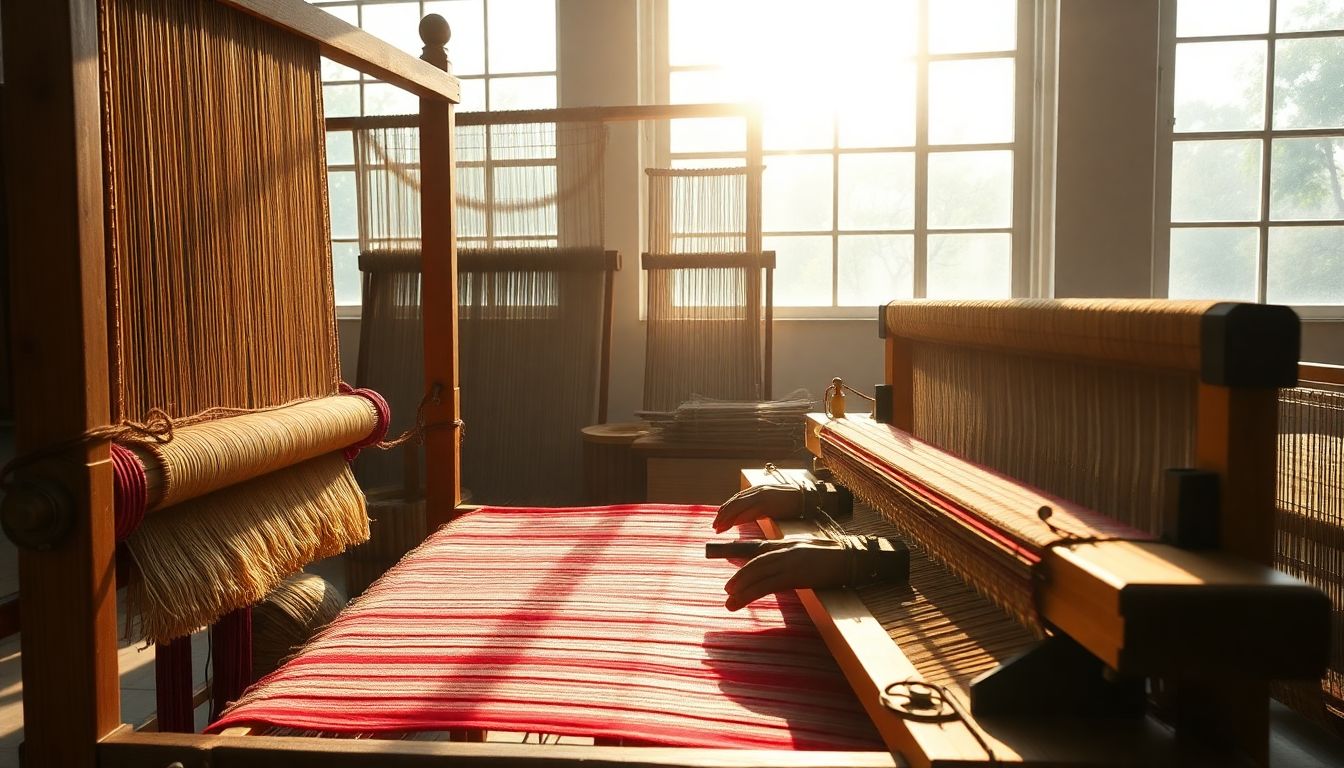
Nataraju learned weaving as a child from his grandfather. The family would wake up at 3 am to work on the looms before attending school, relying on the craft for their daily livelihood and making clothes for festivals. Although his father shielded the children from the hardships faced by traditional weavers, Nataraju chose to carry the family profession forward. Today, around 250 people work with him and earn their living through weaving.
While his family originally wove traditional dhotis with boti work, Nataraju began experimenting with floral and tree motifs, later adapting those patterns into Jamdani cotton weaving. His work on Jamdani cotton Kandi earned praise both in India and internationally. Following an evaluation of his samples, the Weavers’ Service Centre recommended his name for the National Handloom Award. Alongside Jamdani, Nataraju has also started working with red cotton in Srikakulam under the guidance of Ramesh Ramanatham, involving around 40 weavers in the project.
Nataraju reflected on the economic and social struggles that historically caused families to leave the profession, noting that low earnings and limited social prestige once made it difficult for male weavers to find marriage alliances. To counter the decline of traditional weaving skills, he provides free training to new learners, focusing particularly on women, and regularly travels to cities to showcase his work at exhibitions.