DGP C.V. Anand Calls for Data-Led Policing as Telangana Crime Cases Rise
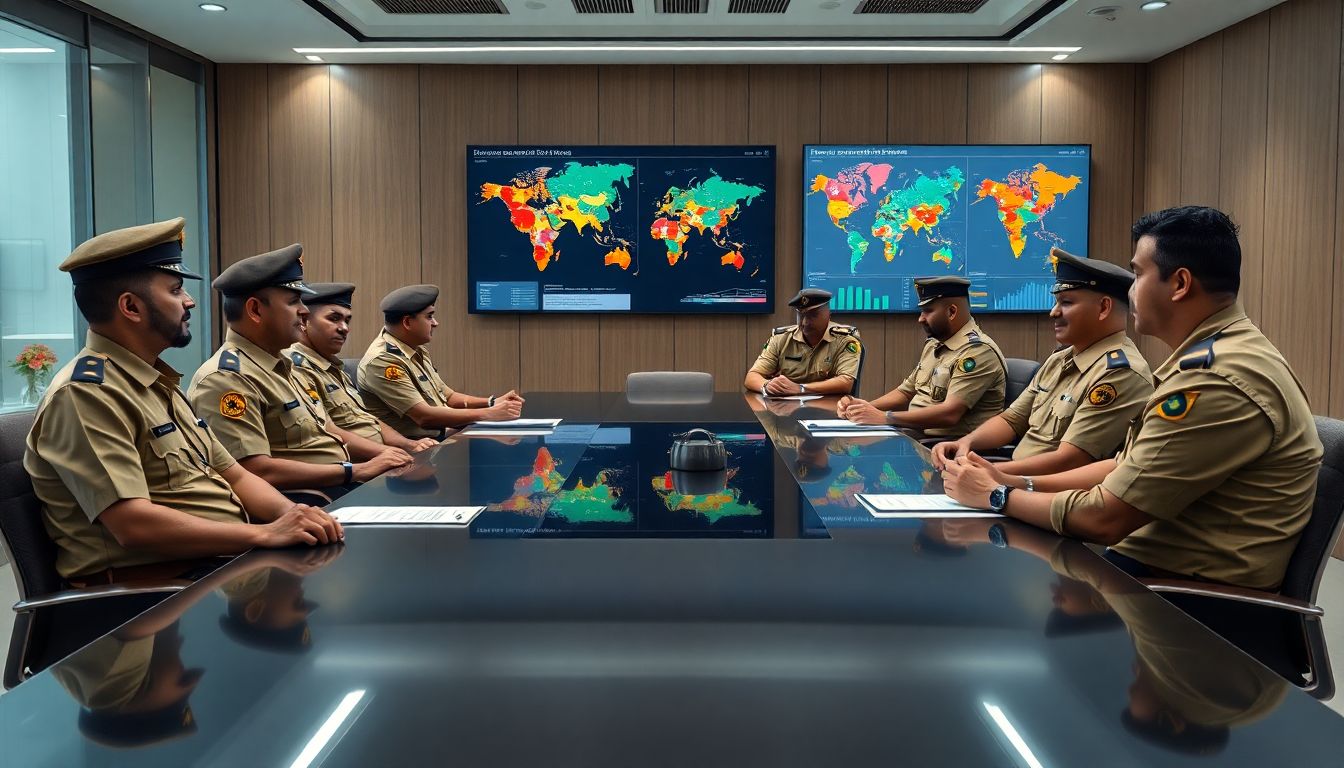
In Hyderabad on Friday, Telangana Director-General of Police C.V. Anand directed police officers to adopt a data-led, unit-specific approach to policing to tackle rising crime across the state. The directive came during a half-yearly crime review meeting with senior police leadership, held against the backdrop of Telangana recording an increase in registered cases from 2,65,377 during July 2023–June 2024 to 2,84,363 during July 2025–June 2026.
Anand instructed zonal DIGs and multi-zone IGs to review inspection notes and initiate immediate action on issues identified during district tours and police station inspections. He told officers to track emerging crime trends in advance and formulate specific action plans wherever necessary to maintain professional standards and timely decision-making.
Senior IPS officers Mahesh Bhagwat, Shikha Goel, Charu Sinha, and Sandeep Shandilya attended the review alongside police commissioners and district superintendents of police from across the state.
The DGP called for strict adherence to timelines when updating information on digital policing portals. He noted that the Crime and Criminal Tracking Network & Systems data update rate had increased to 96 per cent, up from 70 to 80 per cent previously. Anand also instructed officers to maintain a special focus on combating narcotics, adopt a hawkish approach toward organised crime, and ensure priorities are continuously reoriented to match the specific crime profiles of their respective units.
The meeting reviewed several technology-driven initiatives, including presentations on artificial intelligence applications, CCTNS, TG-COP, Hawkeye, and other digital platforms. Discussions also covered the implementation of new criminal laws, the Inter-Operable Criminal Justice System, cybercrime initiatives, EAGLE, and the operations and workload of the Forensic Science Laboratory.
Junior IPS officers presented policing innovations aimed at improving operational efficiency and public service delivery. The leadership also evaluated financial allocations, infrastructure requirements, police housing projects, operational issues, and the rehabilitation of surrendered Maoists.
Anand emphasised that effective policing depends on strong basic practices, prompt data analysis, technology-driven interventions, and sustained supervision to bolster crime prevention statewide.