Char Kaman Gateways Near Charminar to Undergo Structural Restoration
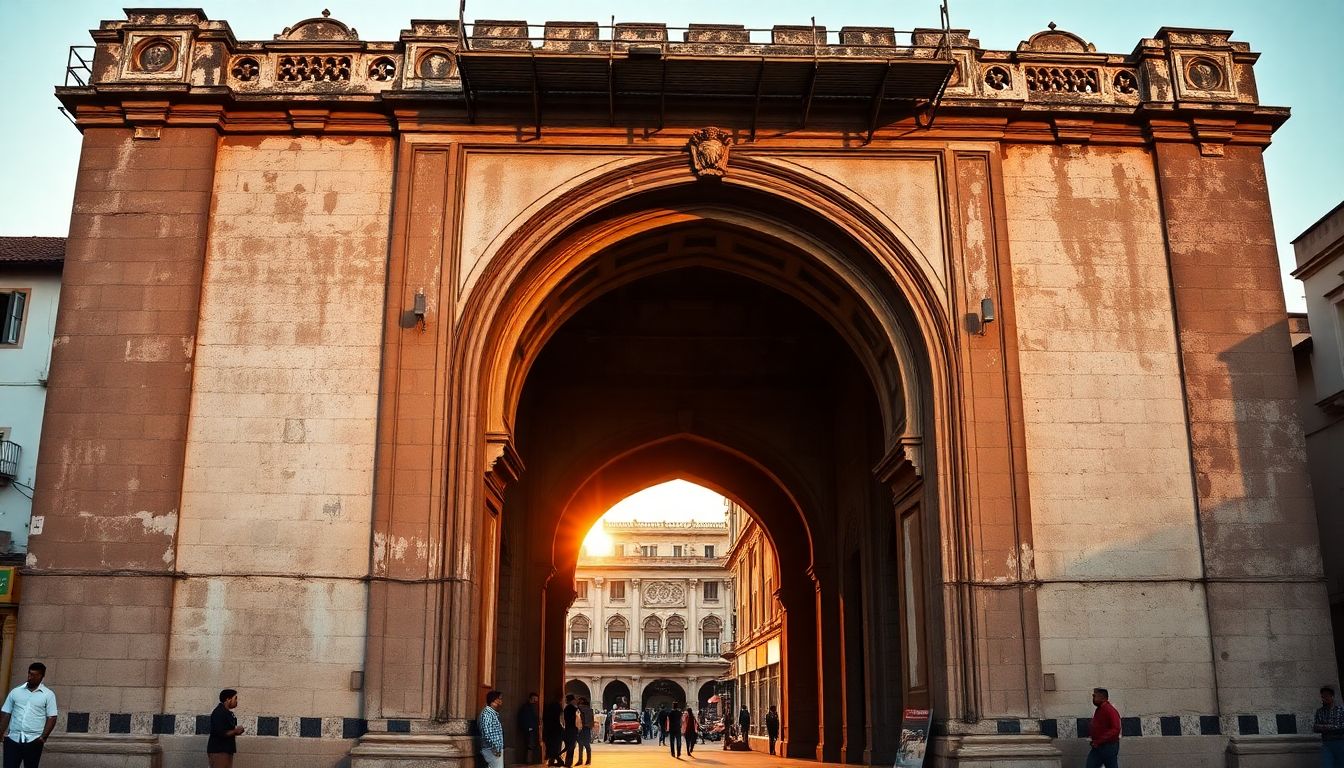
The historic Char Kaman, comprising four 16th-century Qutb Shahi-era ornamental gateways near the Charminar, is set to undergo comprehensive structural restoration, conservation, and specialized heritage lighting. Administrative sanction has been granted to invite tenders and appoint expert consultants for the project.
The conservation effort will cover all four historic arches: Machli Kaman to the north, Kali Kaman to the east, Sher-e-Batil Kaman to the west, and Charminar Kaman to the south. Proposed works will focus on structural strengthening and repairing heritage features using traditional, heritage-compatible materials, including lime mortar, to preserve the structures' original architectural character.
Earlier, civic authorities had earmarked a dedicated allocation of about Rs. 3.64 crore specifically for repairs to Machli Kaman, highlighting the need for a comprehensive intervention across the entire Char Kaman precinct.
Alongside physical restoration, the project includes plans for specialized architectural night illumination across the Char Kaman and Charminar precinct to enhance the visual appeal and condition of the monuments.
The Char Kaman complex dates back to the Qutb Shahi period, following the founding of Hyderabad by Muhammad Quli Qutb Shah. While the Charminar was commissioned in 1591, historians believe the four surrounding gateways were constructed around 1594. The arches were originally laid out around a central public square called Jilau Khana, which served as a royal vestibule and the formal entrance to the Qutb Shahi palace complex. At the center of this square stands the Char-Su-Ka-Houz, now known as Gulzar Houz, a freshwater fountain.
Historically, noblemen and officials gathered at outhouses surrounding the gateways before proceeding through the royal vestibule for audiences with the ruler. Chambers located at the ends of the arches were believed to have housed royal guards. Historical records also note alternative names for the structures, including Daulat Khana-e-Ali for the western arch, Naqqar Khana for the eastern arch, and Sher Dil or Sihr Batil for the western gateway. Machli Kaman, or the Fish Arch, derived its popular name from the traditional display of a large fish-shaped structure during the lunar New Year.
The gateways and the surrounding precinct have suffered deterioration over several decades due to heavy urbanisation, traffic, pollution, and intensive commercial activity, prompting heritage conservationists to call for scientific conservation of the complex.