BRS MP Ravichandra Urges Centre to Link Tax Reforms to Job Creation and MSME Growth
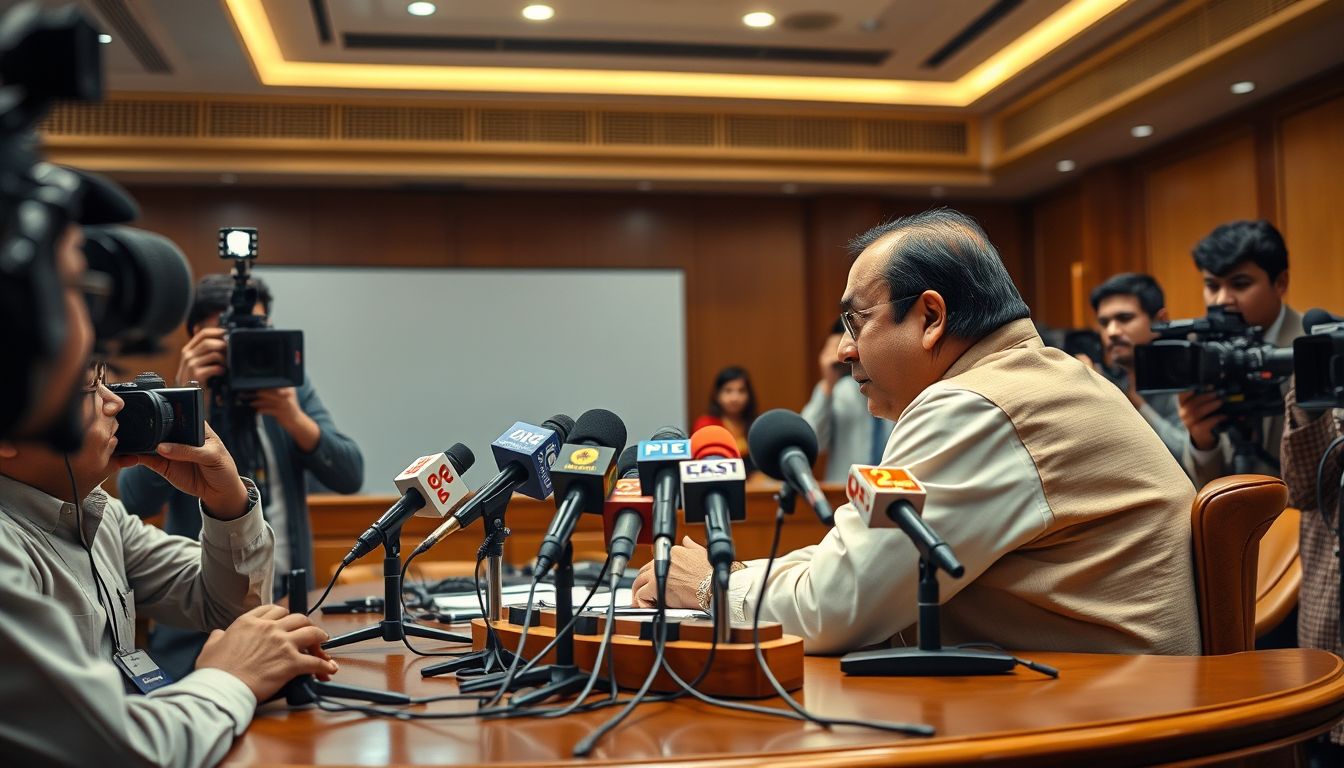
Speaking in Hyderabad following parliamentary proceedings on Monday, 10 August 2026, Bharat Rashtra Samithi (BRS) Parliamentary Party leader Vaddiraju Ravichandra urged the Central government to ensure that national tax reforms actively promote domestic manufacturing, job creation, and the growth of micro, small, and medium enterprises (MSMEs), while according Telangana appropriate priority in national industrial and infrastructure policies.
Participating in the Rajya Sabha debate on the Taxes and Other Laws (Amendment) Bill, 2026, Ravichandra stated that tax reforms should not be confined merely to attracting foreign investments. While acknowledging that the proposed bill aims to bring greater tax clarity regarding foreign investments, electronics, manufacturing, real estate investment, and infrastructure investment trusts, he emphasized that easing daily business operations for domestic units must remain a central objective.
The BRS MP called on the Centre to strengthen its overall support for farmers, industries, and MSMEs across the region. He stressed that tax reforms should ensure equity, transparency, and long-term stability for taxpayers, proposing that tax concessions and financial incentives be linked directly to measurable outcomes, such as actual monetary investment, jobs created, and technology transfer.
Highlighting regional industrial priorities, Ravichandra requested greater central assistance for states such as Telangana, which maintain a strong presence in key sectors including electronics, pharmaceuticals, information technology (IT), and advanced manufacturing. He pointed out that domestic MSMEs currently struggle under high compliance costs, limited access to finance, and persistent market uncertainties, pressing the Centre to act swiftly to reduce their overall compliance burden.
Furthermore, Ravichandra suggested conducting periodic impact assessments of all tax concessions offered by the Central government. He urged that Parliament should be kept routinely informed about the amount of revenue foregone, alongside the corresponding volume of investment generated and employment created through such tax incentives.