Tummala Nageswara Rao Directs Karimnagar Officials to Tackle El Nino Water Scarcity
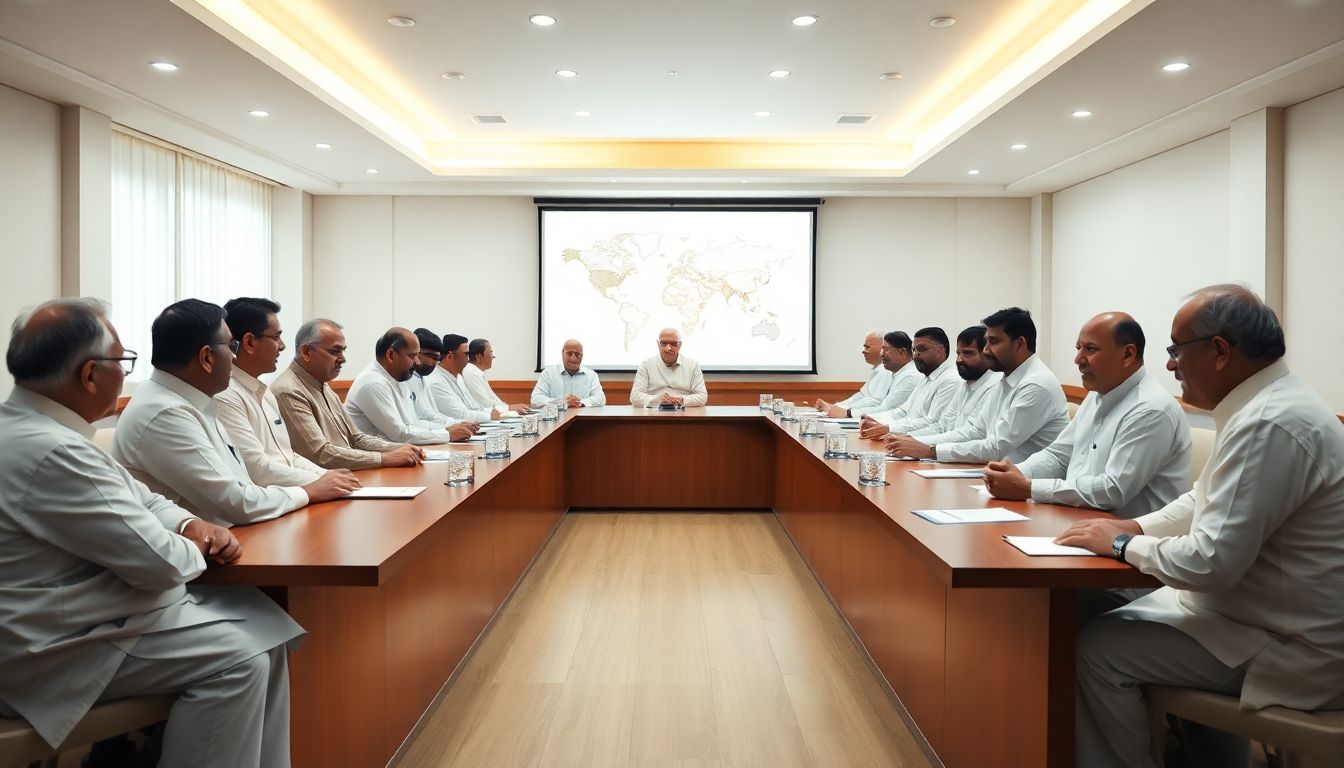
On Sunday, Telangana Agriculture Minister Tummala Nageswara Rao directed government officials to work in coordination to mitigate the impact of El Niño-induced rainfall deficit and falling groundwater levels. Speaking at a review meeting held at the Karimnagar Collectorate, the minister emphasized the need for advance planning and precautionary measures to safeguard farmers and the public from impending water scarcity.
The review meeting was attended by ministers D. Sridhar Babu, Ponnam Prabhakar, and Adluri Laxman Kumar, along with district collectors, police commissioners, superintendents of police, and other regional officials from the erstwhile Karimnagar district.
Minister Rao stated that Telangana, Maharashtra, and Karnataka are likely to face the adverse impacts of El Niño. He called on elected representatives and officials, ranging from ward members to MPs and panchayat secretaries to district collectors, to work in close coordination to tackle the emerging situation.
To protect the agricultural sector, the minister instructed officials to encourage farmers to cultivate crops that require less water. Depending on local conditions, farmers will be advised to shift to crops such as oil palm, red gram, sesame, groundnut, pulses, millets, and horticultural crops.
Information regarding groundwater levels, reservoir storage, and the projected rainfall deficit will be shared with farmers through grama sabhas, Rythu Vedikas, and Rythu Nestham programmes.
Addressing the drinking water situation, the minister directed officials to prepare advance contingency plans to prevent water scarcity and raise public awareness about water conservation. He also noted that groundwater levels have already dropped to depths of 10 to 12 metres in several areas.
To support the farming community during this period, Rao highlighted that the state government has already released Rs 9,000 crore under the Rythu Bharosa scheme. He urged departments including agriculture, irrigation, groundwater, and electricity, along with agricultural scientists, to provide regular inputs to district collectors.