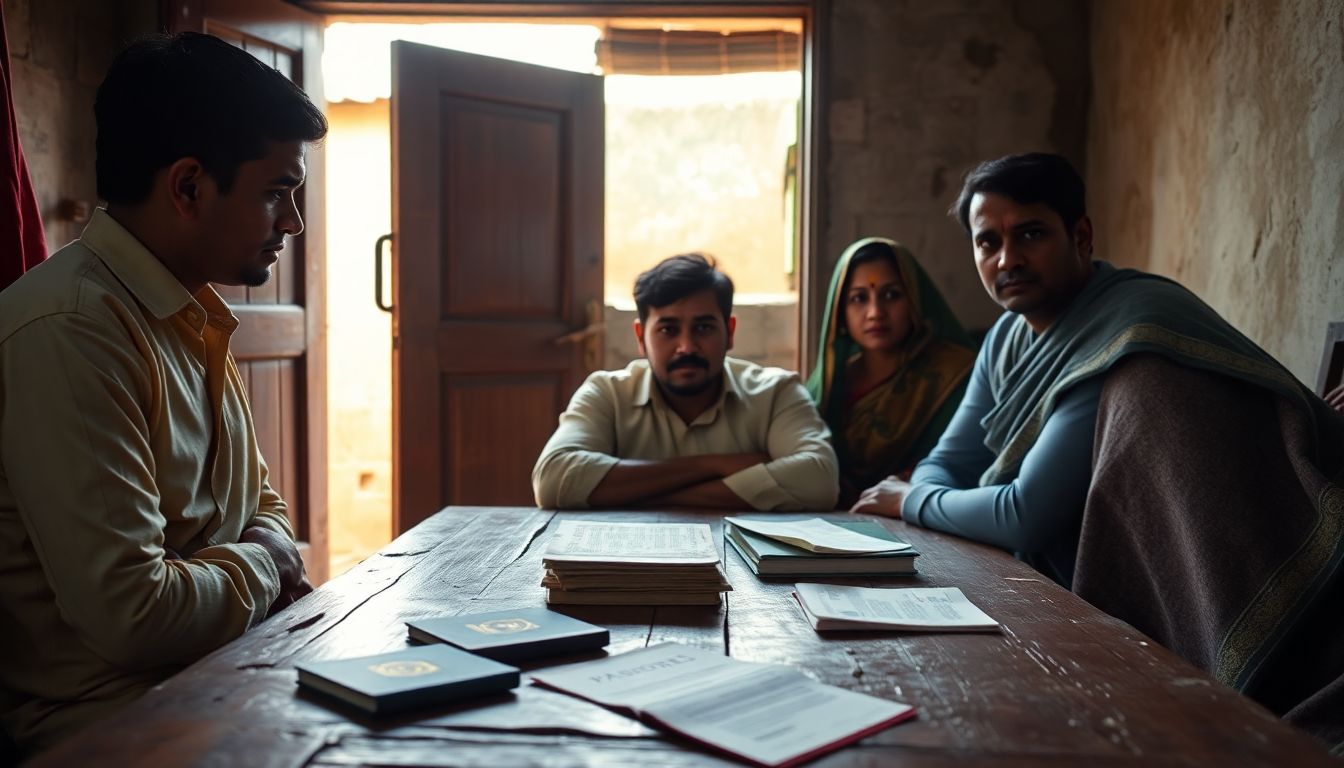
Telangana Tenant Farmers Await Reforms in Licensed Cultivators Act
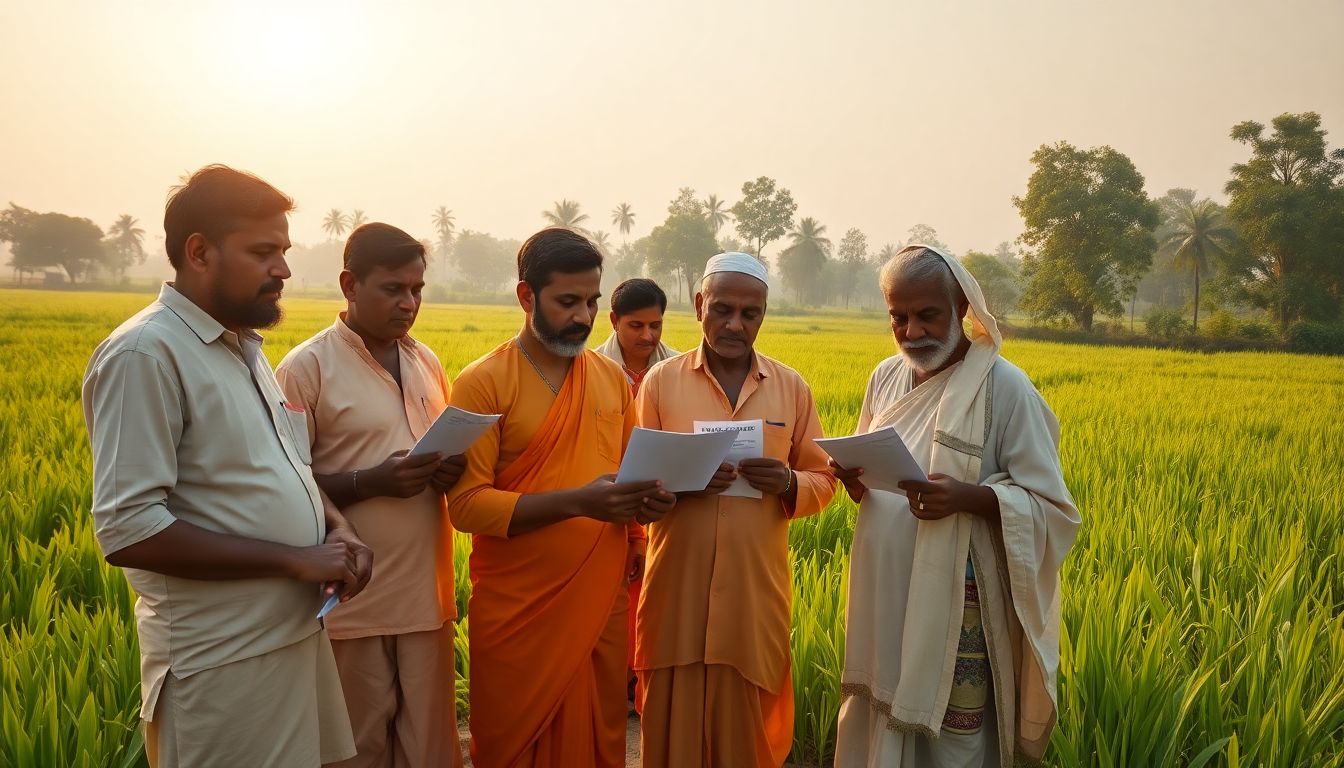
Tenant farmers across Adilabad and wider Telangana are awaiting proposed amendments to the Bhoo Adhikrutha Sagudarula Chattam (Licensed Cultivators’ Act) 2011, which would shift the governance of tenancy rights from the Revenue department to the Agriculture department.
The proposed framework seeks to secure institutional support for actual cultivators without creating land ownership disputes or liabilities for landholders. Under the plan, the Agriculture department will form joint liability groups (JLGs) modeled after self-help groups, enabling tenant farmers to access bank crop loans using government-issued loan eligibility cards (LECs).
Sangepu Borranna, a leader of the Rythu Swarajya Vedika, said the changes would allow tenant farmers to secure bank credit, access government subsidies, and receive crop damage compensation without affecting the rights of landowners.
There are an estimated 28,763 tenant farmers in Adilabad district, with approximately 1,17,000 in the erstwhile combined district and nearly 15 lakh across Telangana. Farmer advocacy groups, including the Kaulu Rythula Hakkula Sadhana Committee and Rythu Swarajya Vedika, have been pressing for legal protections, noting that tenant farmers bear significant financial risks and make up the majority of farmer suicides linked to debt and crop losses.
Under the previous BRS administration, cultivators' names were removed from column 16 of the pahani, limiting legal recognition strictly to registered landowners. As a result, landowners routinely collect state relief, crop insurance, and loan waivers following natural disasters, while tenant farmers absorb the full operational losses alongside rising lease rates.
In Adilabad district, annual land lease rates have climbed to an average of ₹22,000 per acre. Edla Venkanna, a farmer from Landasangi village in Adilabad mandal who leases six acres alongside his own 3.5 acres, noted that lease rents increased significantly after the introduction of Rythu Bandhu, with landowners retaining state payouts rather than passing benefits to the actual cultivators.