Telangana forms committee to audit private universities following Supreme Court order
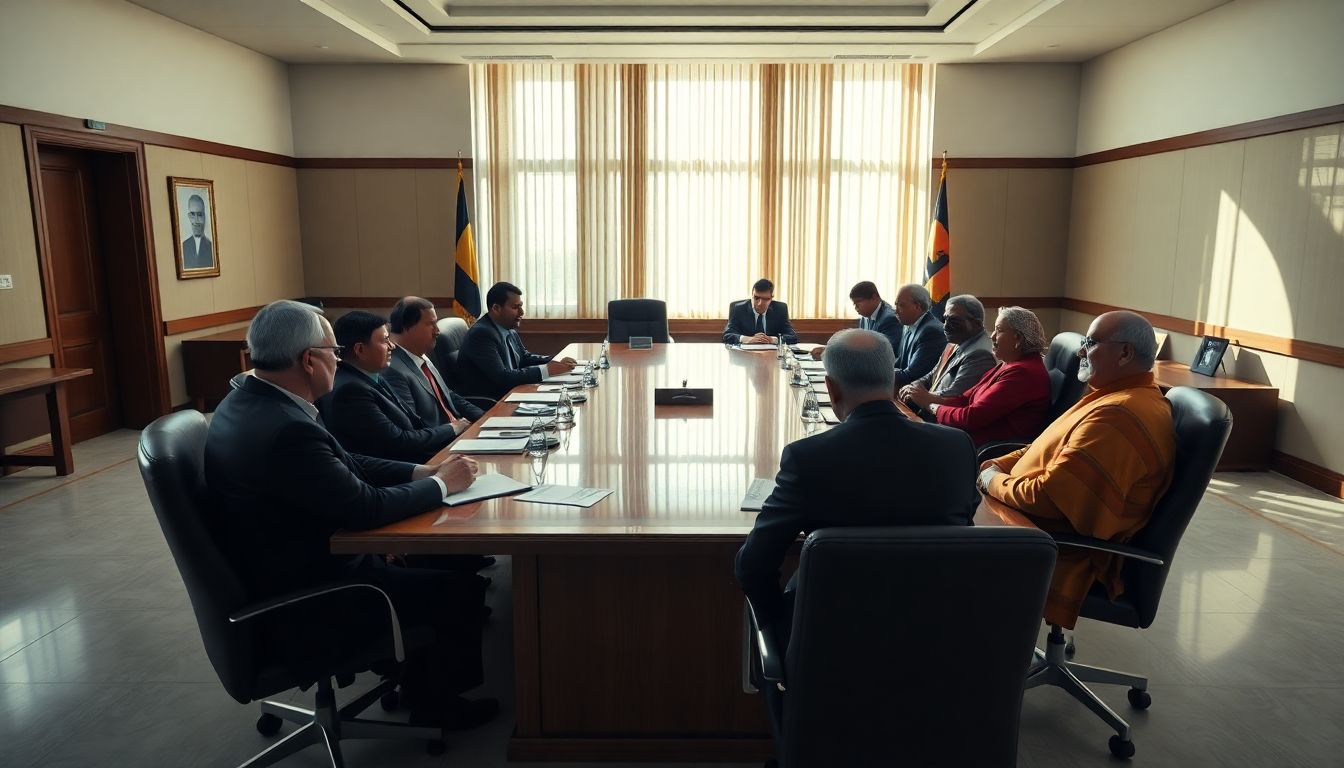
The Telangana government has constituted a high-level committee to inspect and audit all private universities in the state. This decision follows directives from the Supreme Court of India in the Ayesha Jain vs Union of India case, which requires the state to submit a detailed affidavit on the operations of these institutions. The audit team includes representatives from major educational bodies, including Osmania University, to evaluate governance, academic standards, and regulatory compliance.
The high-level committee is led by the Commissioner of Collegiate Education. It comprises the Secretary of the Telangana Council of Higher Education (TGCHE) as convenor, and the Registrar of JNTU as member-convenor. Other members include the Registrar of Palamuru University, the Chief Finance and Accounts Officer of Osmania University, and the Assistant Director (Academic-C) of the Commissionerate of Technical Education.
According to officials, the Supreme Court has directed states to furnish details on nine key aspects of private universities. The committee will investigate the rationale behind establishing each university, the objectives of the sponsoring organisations, and whether feasibility or policy studies were conducted before their establishment.
The inquiry will also look into land allotments or other concessions granted by the state, the governing bodies managing the institutions, and the process followed for appointing their members.
The committee is expected to explain the admission process, including entrance criteria and compliance with statutory provisions. It will also review the recruitment of teaching staff and their adherence to University Grants Commission (UGC) norms.
A significant focus of the inquiry is on the financial functioning of private universities that claim to operate on a "no-profit, no-loss" basis. The committee will investigate whether institutional funds are being diverted for the benefit of promoters or their family members, and whether accounts have been audited.
In addition, the committee will verify whether academic staff are being paid salaries in accordance with statutory minimum wage provisions and UGC norms, and whether salary records have been examined for compliance.
Based on the inspection reports, the Telangana government will prepare and submit a detailed affidavit before the Supreme Court.