Telangana Electoral Officer Warns Of Jail For False Voter Declarations
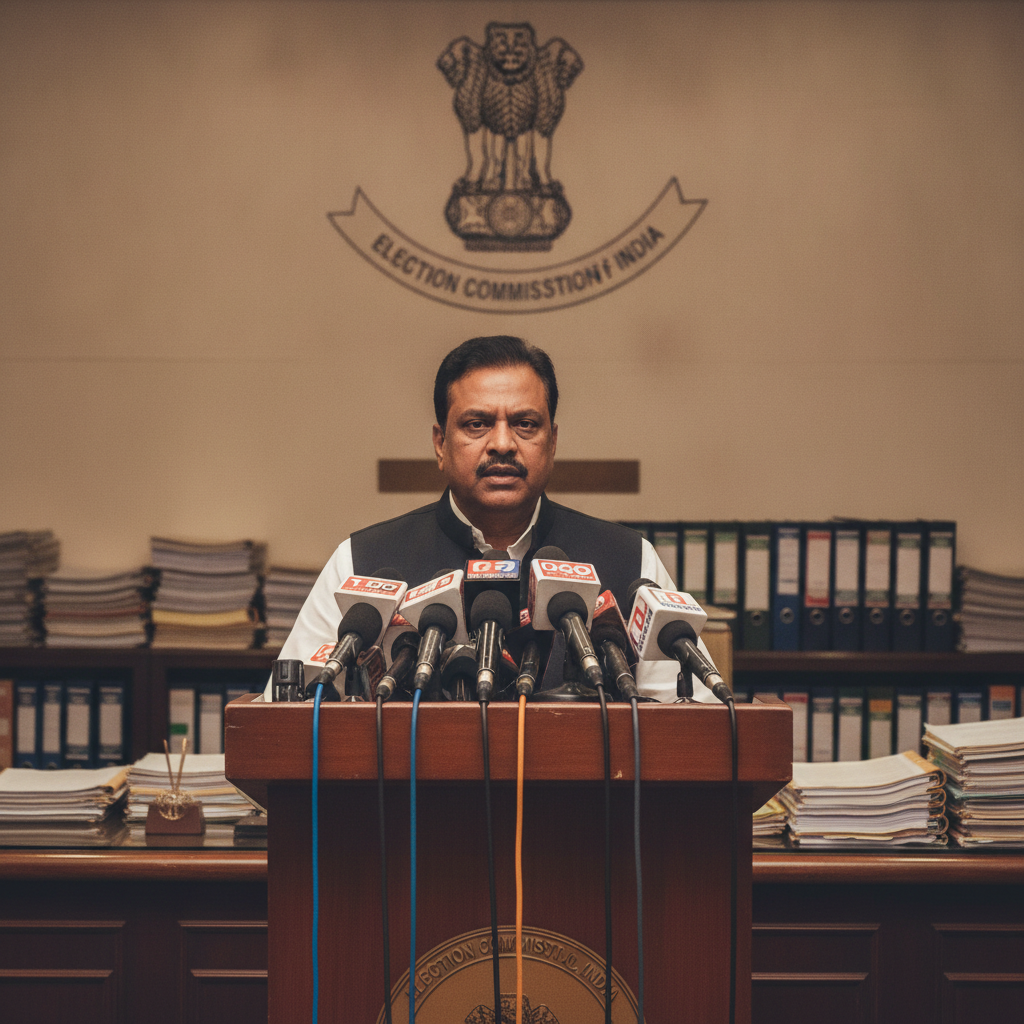
HYDERABAD — Telangana Chief Electoral Officer C. Sudharshan Reddy has issued a stern warning to voters in Hyderabad and across the state, cautioning that furnishing false information in voter enumeration forms or submitting forms at multiple locations is a punishable offense. Under Section 31 of the Representation of the People Act, 1950, violators can face up to one year of imprisonment, a fine, or both.
The warning comes as the state administration streamlines the voter registration and verification process. According to the Chief Electoral Officer, electors must provide details from the 2002 Special Intensive Revision (SIR) electoral rolls while filling out their enumeration forms. For individuals whose names are missing from these specific historical rolls, the election authority has permitted them to furnish the details of relatives who are listed in the database.
To facilitate this verification, the department has launched the ECINET application. Reddy announced that voters can check the 2002 SIR data directly through the ECINET app, which was made available to the public starting on Thursday. In addition to the digital platform, booth-level officers (BLOs) will also be deployed on the ground to assist voters in filling out their forms and verifying their electoral roll details.
A key component of the registration process is a mandatory declaration that electors must sign. This declaration requires voters to officially affirm that neither they nor their family members have acquired the citizenship of another country. Furthermore, they must confirm that they are not currently enrolled in any other assembly or parliamentary constituency.
Reddy reiterated that filling out enumeration forms at two different places is a serious offense. The enumeration form itself clearly states that furnishing a false declaration is a punishable act under the provisions of the Representation of the People Act, 1950.