Telangana Child Marriage Rate Drops To 17.9% As Over 21,000 Marriages Prevented

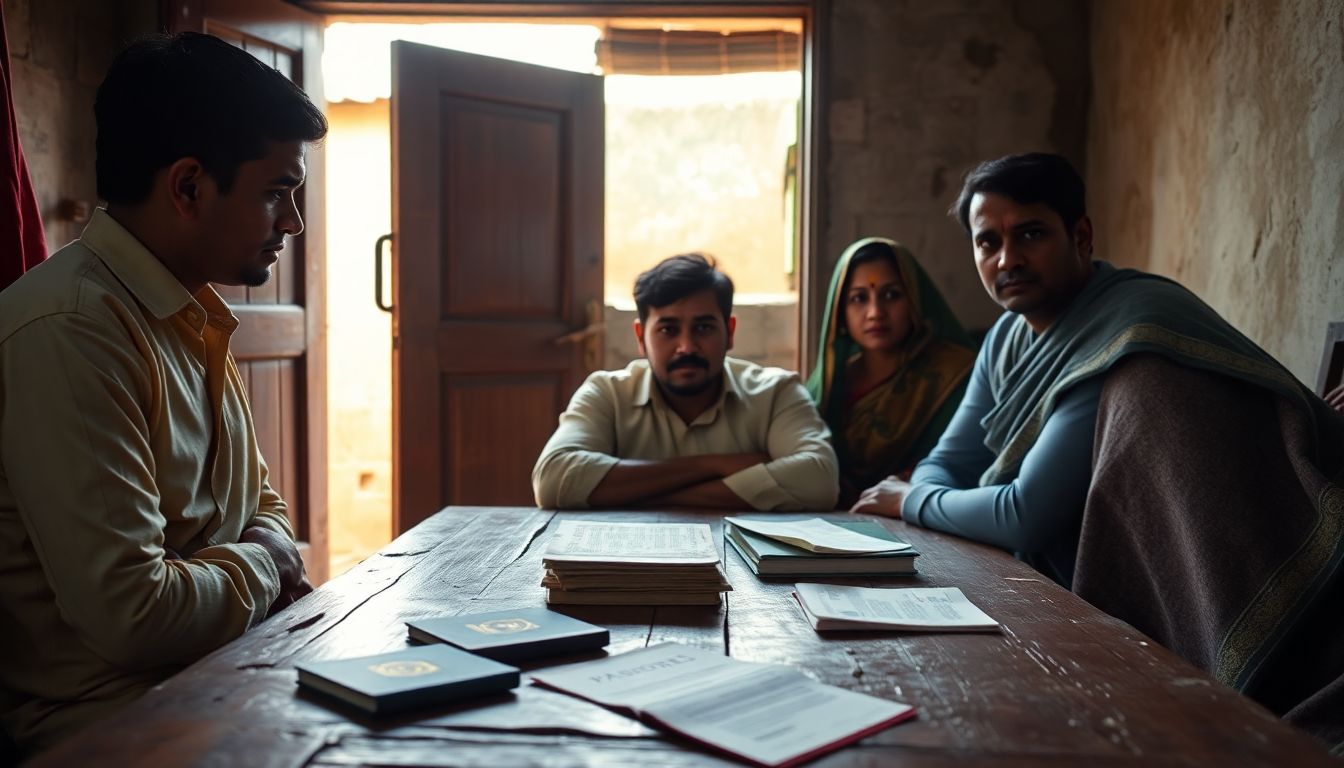
HYDERABAD — Child marriage prevalence in Telangana has recorded a decline, falling to 17.9 per cent among young women in the state, according to survey findings cited by child rights organisation Just Rights for Children. The data was highlighted alongside reports that partner civil society organisations have stopped more than 21,000 child marriages across the state over the last three years.
According to figures cited in an official statement from Just Rights for Children (JRC), an organisation that works on child protection and campaigns against child marriage, 23.5 per cent of women aged 20 to 24 in Telangana reported that they were married before turning 18 during the National Family Health Survey (NFHS)-5, conducted between 2019 and 2021. In the subsequent NFHS-6 survey for 2023-24, that proportion decreased to 17.9 per cent. Telangana's latest prevalence rate also places it below the national NFHS-6 average, which was recorded at 20.1 per cent.
Regarding preventative interventions, JRC claimed that its nine partner organisations in Telangana had actively helped prevent 21,472 child marriages across the state during the past three years. On a nationwide level, the organisation noted that more than 5.5 lakh child marriages have been stopped or prevented through protective interventions.
The findings were highlighted as the United Nations officially declared November 27 as the International Day for the Elimination of Child, Early and Forced Marriage. The Centre had previously launched its own national Bal Vivah Mukt Bharat campaign on the same date in 2024.
The global declaration followed efforts by JRC founder Bhuwan Ribhu, who had called for a dedicated international observance against child marriage and reiterated the demand during an address at the UN in March 2026. Sierra Leone subsequently presented the resolution to the world body with the formal support of 67 countries, including India.
Reacting to the adoption of the resolution, Ribhu described the declaration as “a moment of great pride for all Indians.” He noted, however, that sustained efforts would be required going forward, adding, “The world is looking at us, and our work has only just begun.”