Seethakka Urges 16th Finance Commission to Relax Grant Rules for Tribal Panchayats
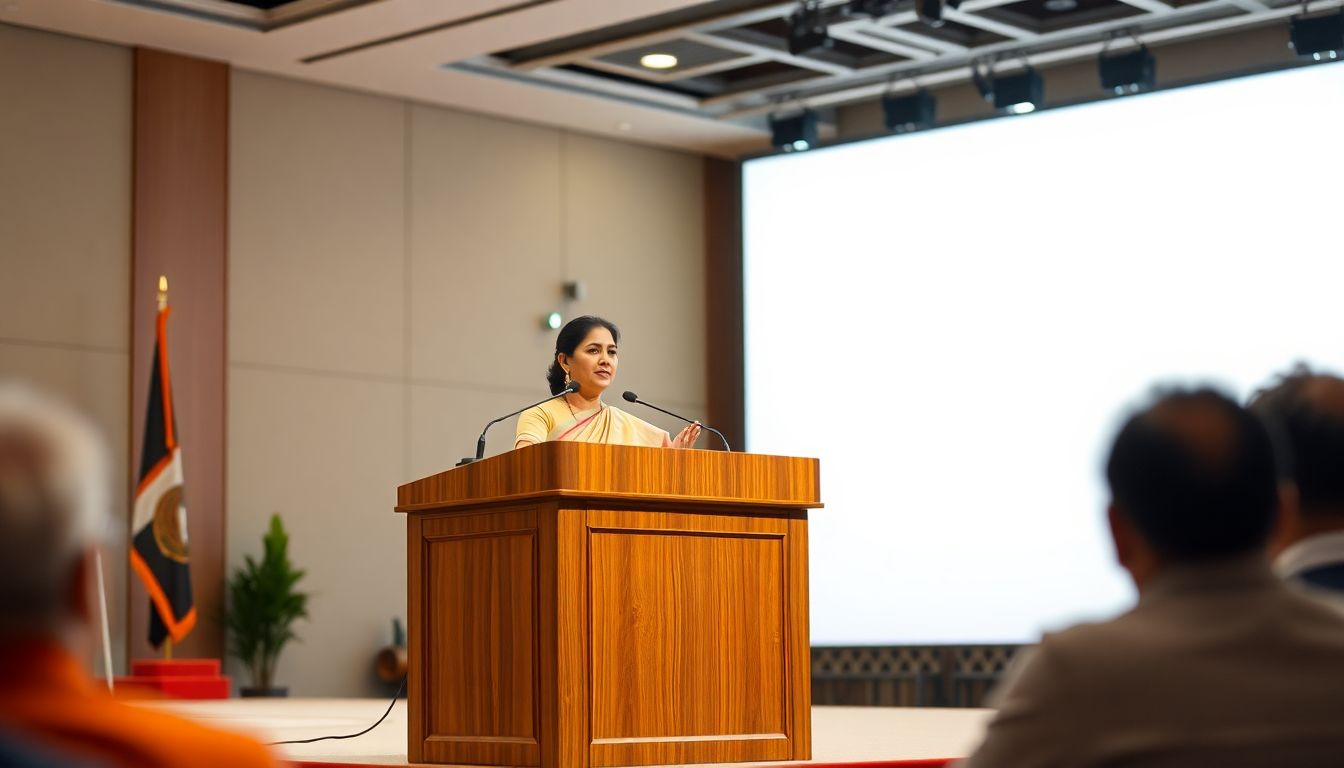
On Friday, Telangana Panchayat Raj Minister Danasari Anasuya, also known as Seethakka, urged the 16th Finance Commission to relax performance-based grant criteria for tribal, Scheduled Area, and backward village panchayats. Speaking in Hyderabad, the minister requested that these disadvantaged regions not be penalized for their limited revenue-generating capacity.
Seethakka made the appeal while participating in a national workshop on rural local body recommendations. The workshop was chaired by Union Panchayat Raj Minister Rajiv Ranjan Singh. During the event, Seethakka argued that the performance of gram panchayats should not be judged solely on their own-source revenue or tax collections.
According to the minister, many gram panchayats located in Scheduled Areas have small populations and limited revenue sources. This makes it difficult for them to meet eligibility criteria that are linked strictly to revenue generation.
Instead of focusing only on financial collections, Seethakka proposed that other parameters should carry equal weight when assessing local bodies. She suggested evaluating performance based on the delivery of public services, sanitation, transparency, digital governance, and active people’s participation.
The minister also raised concerns regarding 62 gram panchayats in Telangana where local elections have not yet been held due to pending court cases. She urged the 16th Finance Commission to ensure that development grants are not withheld from these local bodies. Seethakka emphasized that the delay in holding elections was due to judicial proceedings rather than administrative lapses, meaning the affected villages should not be denied crucial central funds.
Furthermore, Seethakka sought higher weightage in fund allocation for Scheduled Areas, backward districts, and geographically difficult regions. She explained that the overall cost of delivering basic public services in these challenging areas is significantly higher than in other parts of the state.