Sadhguru Faces Backlash After 80 Isha Pilgrims Go Missing in Border Flash Flood
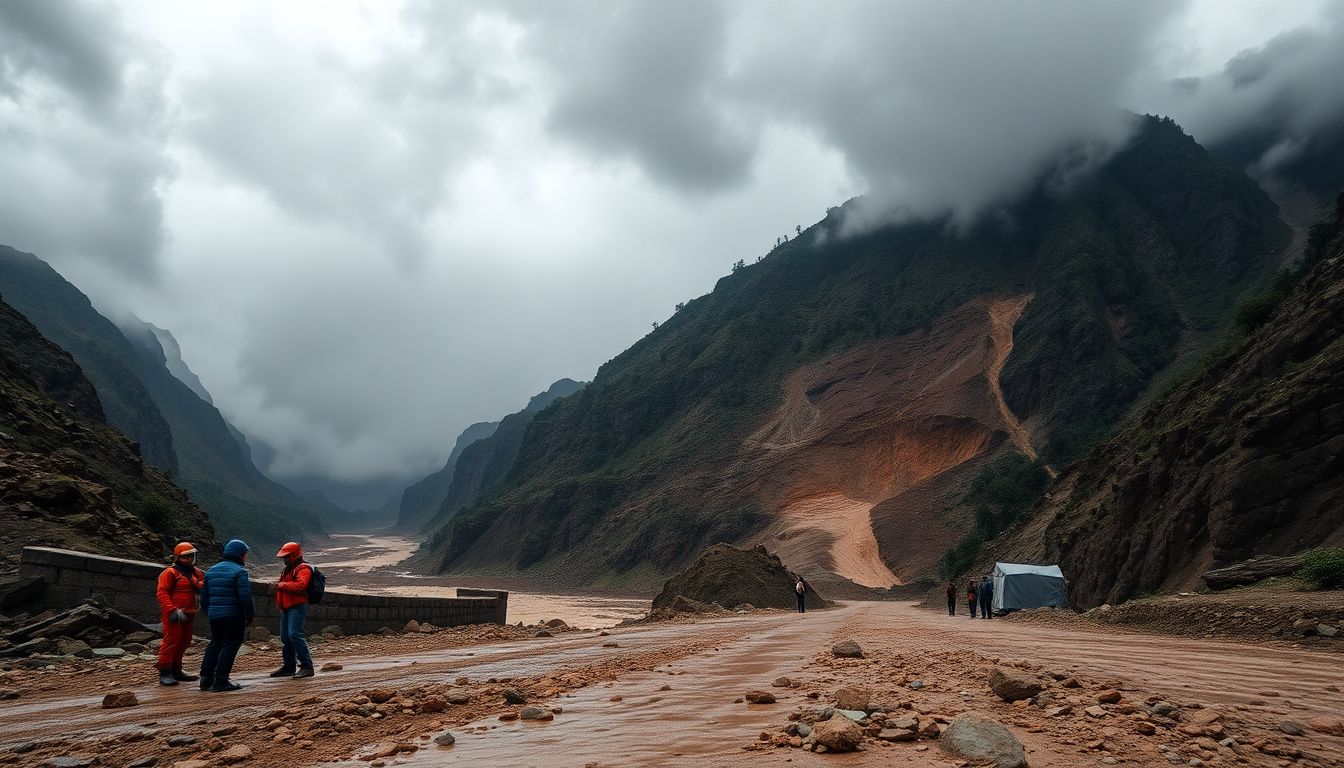
Spiritual leader Sadhguru Jagadish ‘Jaggi’ Vasudev is facing mounting criticism after 80 members of an Isha Foundation pilgrimage group went missing following a sudden flash flood at the Nepal–Tibet border. The tragedy has drawn sharp public scrutiny in Hyderabad and beyond, directly challenging earlier assurances made regarding the safety and spiritual protection of travellers embarking on the Kailash pilgrimage.
The disaster struck on the morning of August 26. In the aftermath of the event, Sadhguru stated that the group’s collective discipline had ensured they reached the immigration centre by 9.05 a.m., just minutes before the devastating deluge hit at 9.14 a.m. However, critics argued that reaching the centre early did not avert the loss, casting doubt on assertions concerning the protective power of his guidance during high-risk journeys.
The border incident has also reignited scrutiny surrounding the substantial costs linked to Isha Foundation's Kailash itineraries. Reports have highlighted premium tour packages priced at up to ₹50 lakh. In response to the financial criticism, supporters maintained that the organisation simultaneously operates lower-cost and entirely free initiatives for the public.
Speaking on the pricing structure, yoga instructor S. Yadharth defended the foundation, stating that diverse programmes cater to varying financial means. He noted that while certain offerings are paid and affordable to some travellers, others remain free and accessible.
At a solidarity gathering held in Kathmandu, Sadhguru addressed the emotional toll on relatives while cautioning attendees against seeking mystical interpretations for the catastrophe. He observed that life is inherently unpredictable, remarking that people are present in one moment and may not be here the next.
Actor Manasi Parekh, who returned safely from the trip, reflected on the journey by noting that the grandeur of the mountains transcended ideological boundaries. Meanwhile, other commentators expressed deep scepticism regarding the foundation's messaging. Frequent solo traveller Rajesh K rejected the claim that adherence to discipline saved lives, pointing out that the flood was simply too sudden and powerful. Vedic researcher Janaki P questioned the shifting narrative, asking whether travellers must now evaluate every spiritual undertaking solely through the perspective of mortality.
The incident continues to fuel wider conversations regarding how spiritual organisations present themes of faith, protection, and human vulnerability in the face of natural disasters.