NIMS Doctor Urges Medical Students to Embrace Community Outreach and Exchanges
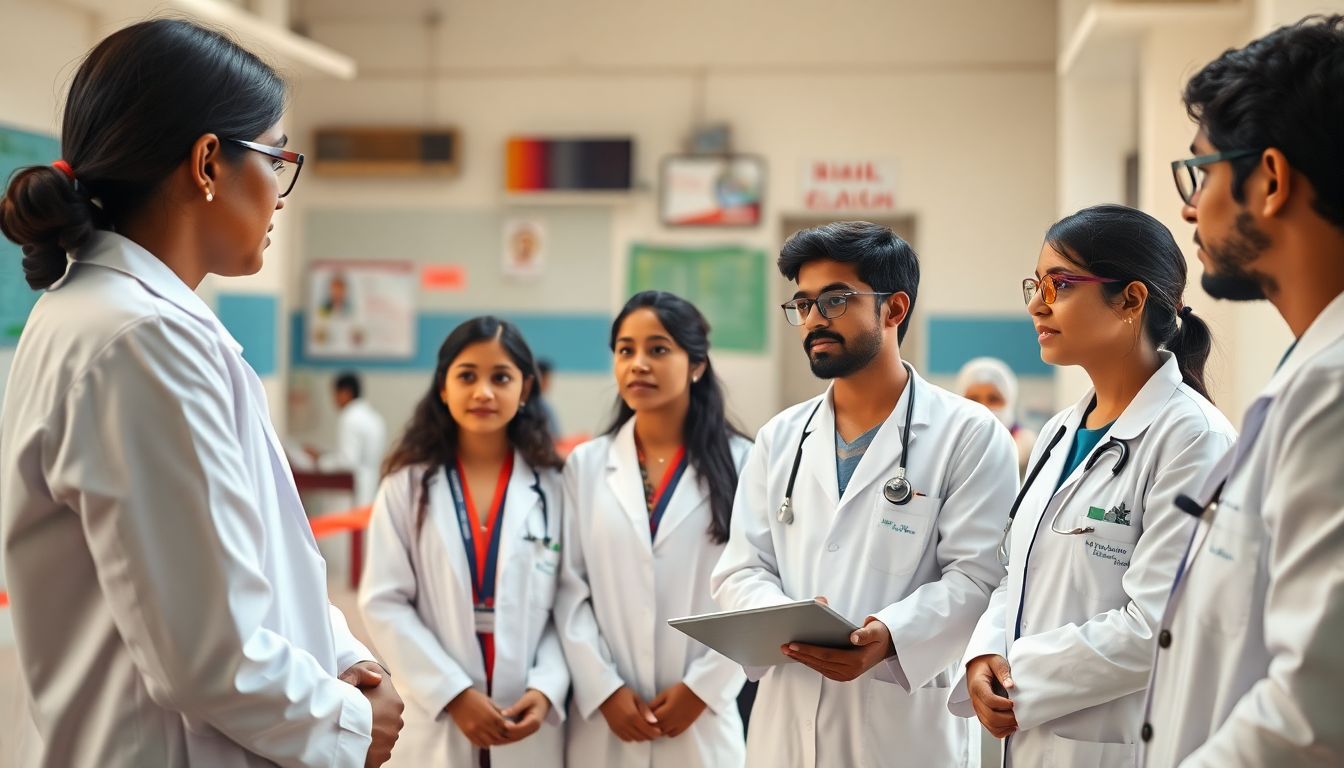
Medical students must look beyond postgraduate entrance examinations and textbooks to gain practical exposure through community healthcare, medical outreach, and international exchange programmes, said Dr Tirumal Yerragunta of the Nizam’s Institute of Medical Sciences (Nims) in Hyderabad.
Dr Yerragunta made the observations following a recent visit to the University of Central Florida (UCF) in the United States, where he interacted with members of International Medical Outreach (IMO), a student-led, pre-health professional organisation based at UCF in Orlando, Florida. He noted that the interaction highlighted the need to provide Indian medical students with opportunities to understand healthcare outside conventional classrooms and hospital settings.
IMO, founded in 2006, works with communities that have limited access to healthcare by combining volunteer service, education, and cultural exchange. Julia De Sousa, president of IMO at UCF, said the organisation encourages students to cultivate compassion, cultural awareness, and a long-term commitment to community service.
The organisation began its international outreach in Haiti and has worked with the Mare Brignol community since 2011. While political instability has halted recent in-person visits, IMO continues to support a clinic, pharmacy, water cistern, and a radio education station broadcasting health information there.
IMO has also expanded its initiatives to India. In December 2025, the group conducted its third annual India visit, bringing eight UCF students to Chhatrapati Sambhajinagar for a 14-day medical observation and cultural immersion programme. Hosted by medical staff at Dr Hedgewar Rugnalaya, the students observed obstetrics, cardiology, and anaesthesiology procedures, including natural deliveries, Caesarean sections, hysterectomies, bypass surgeries, valve replacements, and open-heart surgeries.
Dr Yerragunta emphasised that student outreach programmes should not become international medical tourism clubs. Instead, he stressed that travel must serve as a by-product of education and service, allowing students to learn from diverse healthcare systems while actively contributing to local communities.
He added that such exposure strengthens communication, leadership, research skills, confidence, and cross-cultural understanding. He noted that Indian medical students also have substantial experience to share due to their training in a diverse healthcare landscape.
De Sousa expressed hope for continued collaboration with Indian medical students to share clinical knowledge and community service experiences.