Kamineni Hospitals Warns of Monsoon Viral Fever Surge in LB Nagar and King Koti
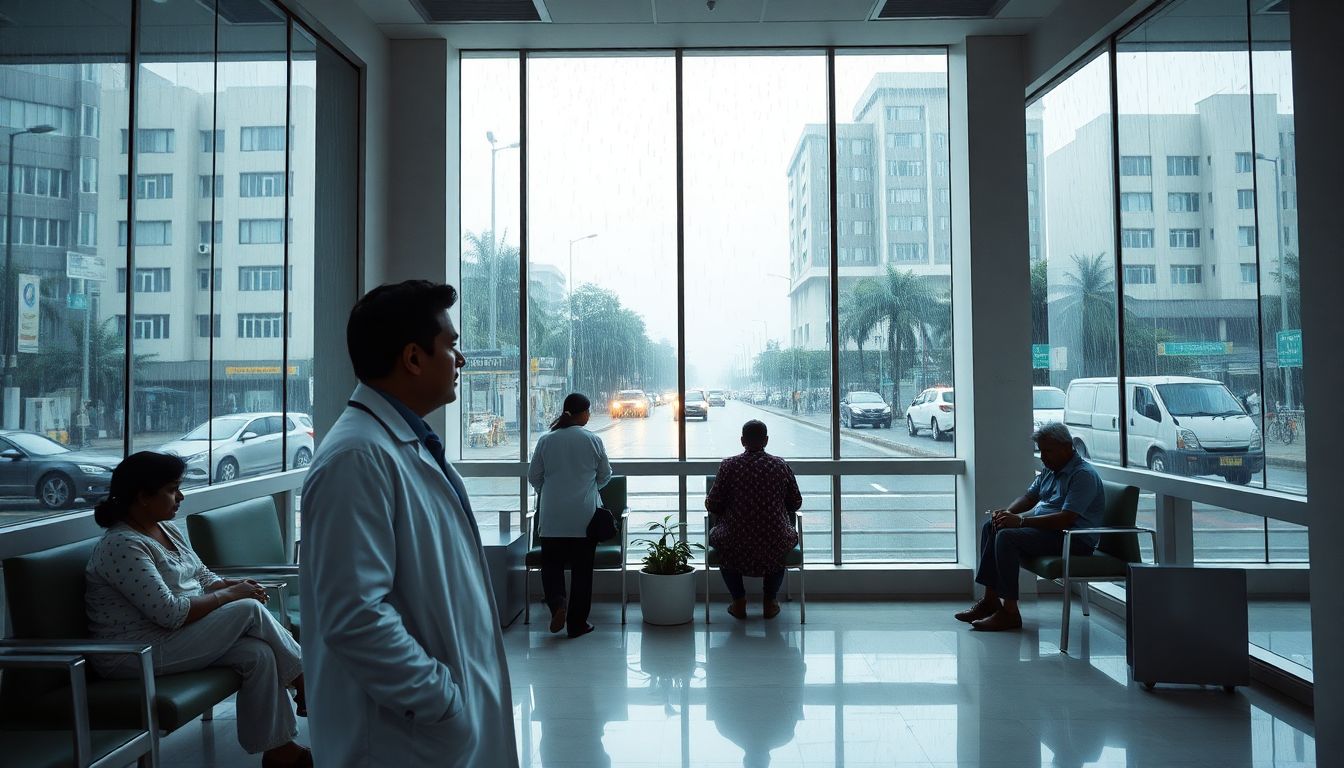
Kamineni Hospitals has reported a notable increase in outpatient consultations for viral fevers, influenza-like illnesses, and acute febrile conditions across its LB Nagar and King Koti facilities in Hyderabad amid ongoing monsoon conditions and elevated humidity levels.
In response to the seasonal spike, senior physicians and infectious disease specialists at the hospital issued a clinical advisory urging the public to avoid indiscriminate antibiotic use and seek early laboratory diagnosis for any fever extending beyond 72 hours.
Epidemiological data shows Hyderabad recorded 266 dengue cases, including 127 laboratory-confirmed cases, between January and mid-July 2026. This marks a decrease from 570 cases in 2025 and 821 in 2024. However, clinical experts noted that national figures show a contrasting surge, with over 33,000 dengue cases, more than 9,000 H1N1 cases, and an 11 percent rise in influenza cases compared to July 2025.
Dr. M. Swamy, Head of Department and Senior Consultant Physician at Kamineni Hospitals, explained that while community surveillance has kept local dengue numbers relatively lower, seasonal viral fevers, H1N1 flu, and early-stage dengue present nearly identical symptoms during the first 48 hours. Many patients presenting with dengue-like illness are testing negative for vector-borne pathogens and are instead suffering from acute viral infections. He advised families to seek same-day blood tests if a fever persists past three days rather than relying on over-the-counter self-medication.
Dr. Hari Kishan, Senior Consultant Physician, warned that taking over-the-counter antibiotics for self-limiting viral fevers is ineffective and accelerates antimicrobial resistance. With 178 H1N1-related fatalities recorded nationally this year and a second seasonal flu peak expected post-monsoon, physicians recommended the annual influenza vaccine as a key preventive step for vulnerable groups.
Physicians emphasized that high-risk patients, including children under five, older adults, pregnant women, and people with underlying health conditions, require close observation. Dr. Srikrishna Raghavendra Boddu and Dr. D. Pradeep Kumar Patel cautioned that warning signs such as bleeding, breathlessness, persistent vomiting, reduced urine output, drowsiness, or confusion warrant immediate hospital care.
The hospital urged residents to clear stagnant water weekly to prevent mosquito breeding, maintain respiratory hygiene, wash hands regularly, and wear masks in crowded indoor spaces.