HYDRAA Rules Out Ganesh Idol Immersion in Kapra Lake to Protect Wetland
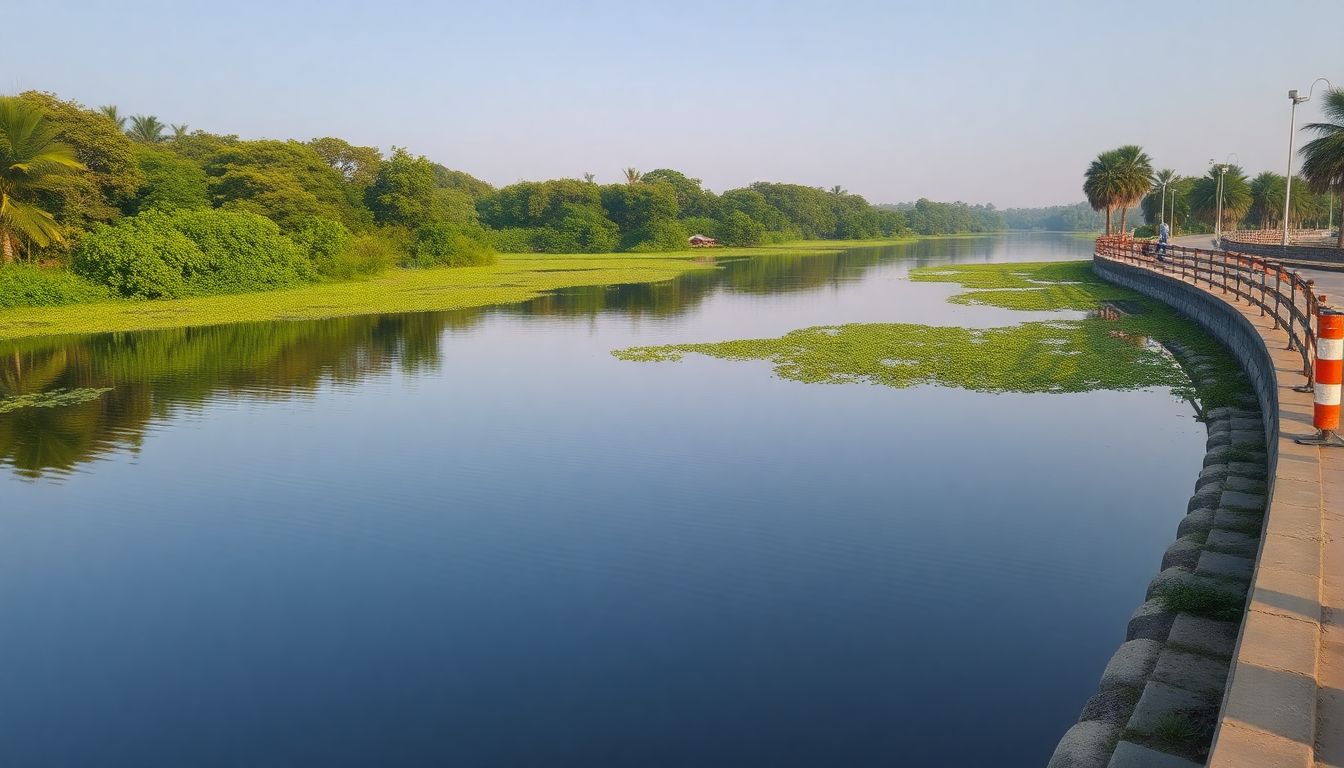
Hyderabad Disaster Response and Asset Protection Agency (HYDRAA) Commissioner A V Ranganath has ruled out the immersion of Ganesh idols in Kapra Lake in Hyderabad, citing its critical importance as an urban wetland and vital biodiversity habitat.
Ranganath inspected ongoing development and restoration works at Kapra Lake on Saturday and interacted with local representatives of the Bhagyanagar Ganesh Utsav Committee (BGUS). He appealed to mandap organisers and devotees to cooperate with measures aimed at preserving the lake's ecological character and preventing activities that could harm local biodiversity.
He suggested that small Ganesh idols could be immersed in the baby pond located adjacent to the lake, while alternative arrangements should be explored for larger idols. He stressed that Kapra Lake is not merely a water body but an essential ecological asset that requires strict preservation.
Ranganath stated that Kapra Lake has been recognised as an urban wetland by the Central Government. It serves as an important habitat for more than 470 migratory bird species arriving from different parts of the world, including Australia and Europe. During his visit, the commissioner also viewed a photo exhibition highlighting the various migratory birds that visit the site.
HYDRAA is carrying out development and restoration measures across the approximately 113-acre lake to restore its ecological and environmental significance. The lake is being developed with a specific focus on floodwater storage, groundwater recharge, biodiversity conservation, and the protection of bird habitats.
Ranganath noted that nearly 70 per cent of the lake area comprises private patta lands, but the landowners have come forward to cooperate with ongoing restoration and development initiatives. Referring to the Wetlands (Conservation and Management) Rules, 2017, he emphasised that the demarcation of wetland boundaries, prevention of encroachments, and protection from pollution are essential to ensure effective conservation.