Hyderabad study finds municipal water gets contaminated during household storage
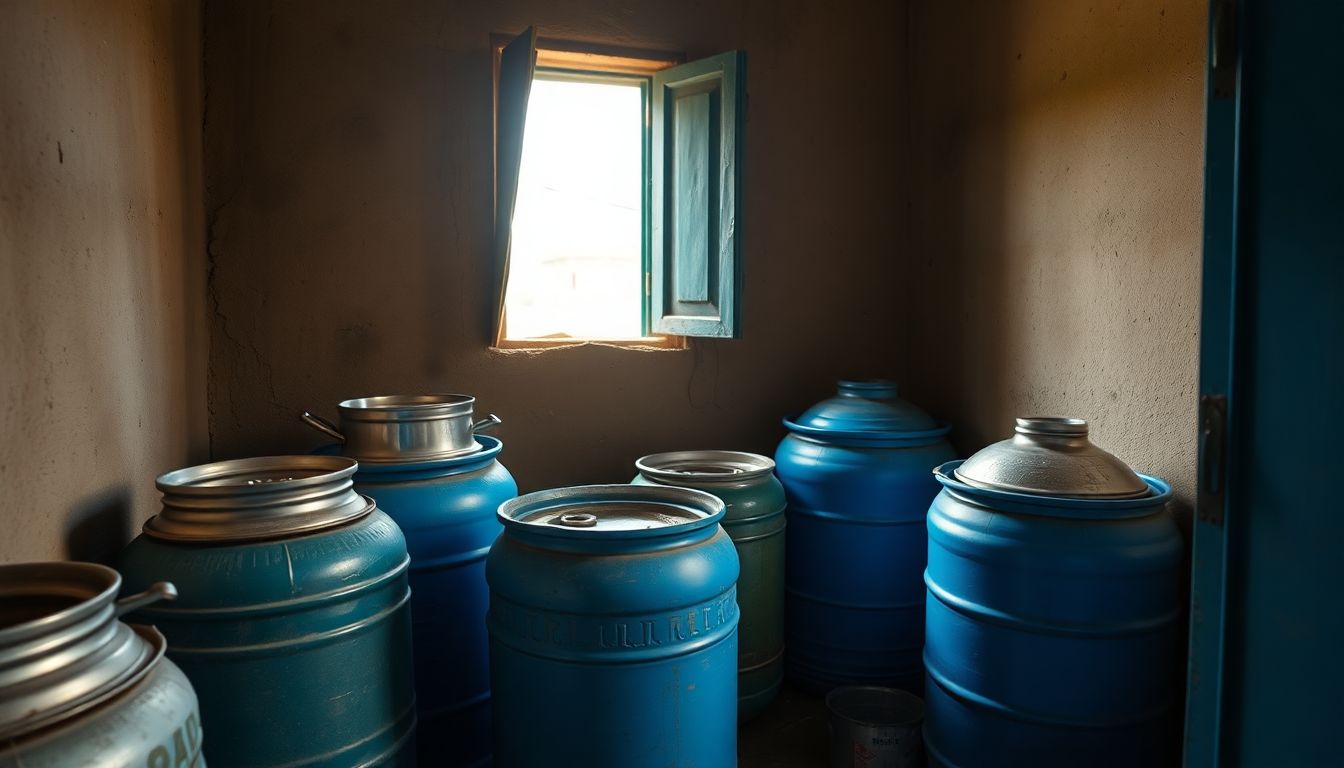
Safe municipal drinking water in Hyderabad's low-income settlements is becoming contaminated with harmful bacteria during household storage, according to a new study.
The "Source to Glass: Water Quality Risks in Hyderabad’s Low-Income Settlements" study revealed that while water reaching homes through municipal taps generally meets quality standards, intermittent supply forces residents to store water, leading to post-collection contamination.
Researchers found that stored household water often contained faecal coliform bacteria and opportunistic pathogens, including Pseudomonas aeruginosa and Staphylococcus aureus. These findings highlight a major gap in urban water management, showing that supplying treated water is insufficient if the water becomes unsafe before consumption.
According to the study, nearly 90 percent of Hyderabad is covered by the municipal water network, but only about 70 percent of residents receive piped water. In the city's peripheral areas, network coverage drops to around 65 percent, serving only 40 percent of the population. Because water is typically supplied for only a few hours on alternate days, household storage becomes unavoidable for residents.
Unsafe handling practices heavily contribute to the contamination. Researchers found that 73 percent of surveyed households drew water directly from storage containers using their bare hands, often without washing them. Additionally, residents frequently transferred water between multiple containers or used long pipes to draw it, which increased the risk of contamination.
The study also highlighted low awareness of water safety among residents. Approximately 67 percent of households judged their water quality solely by its appearance, taste, smell, or colour, skipping treatment if the water appeared clean. Many families only switched to bottled water after a household member experienced a waterborne illness or when infants were present.
Contaminated drinking water remains a major source of diseases such as cholera, typhoid, and dysentery, particularly among children. To address these risks, the study recommends providing an uninterrupted water supply and implementing the World Health Organization’s Water Safety Plans to reduce contamination from source to tap.