Hyderabad Resident Bodies Demand Rollback Of Higher Taxes In Draft CURE Bill
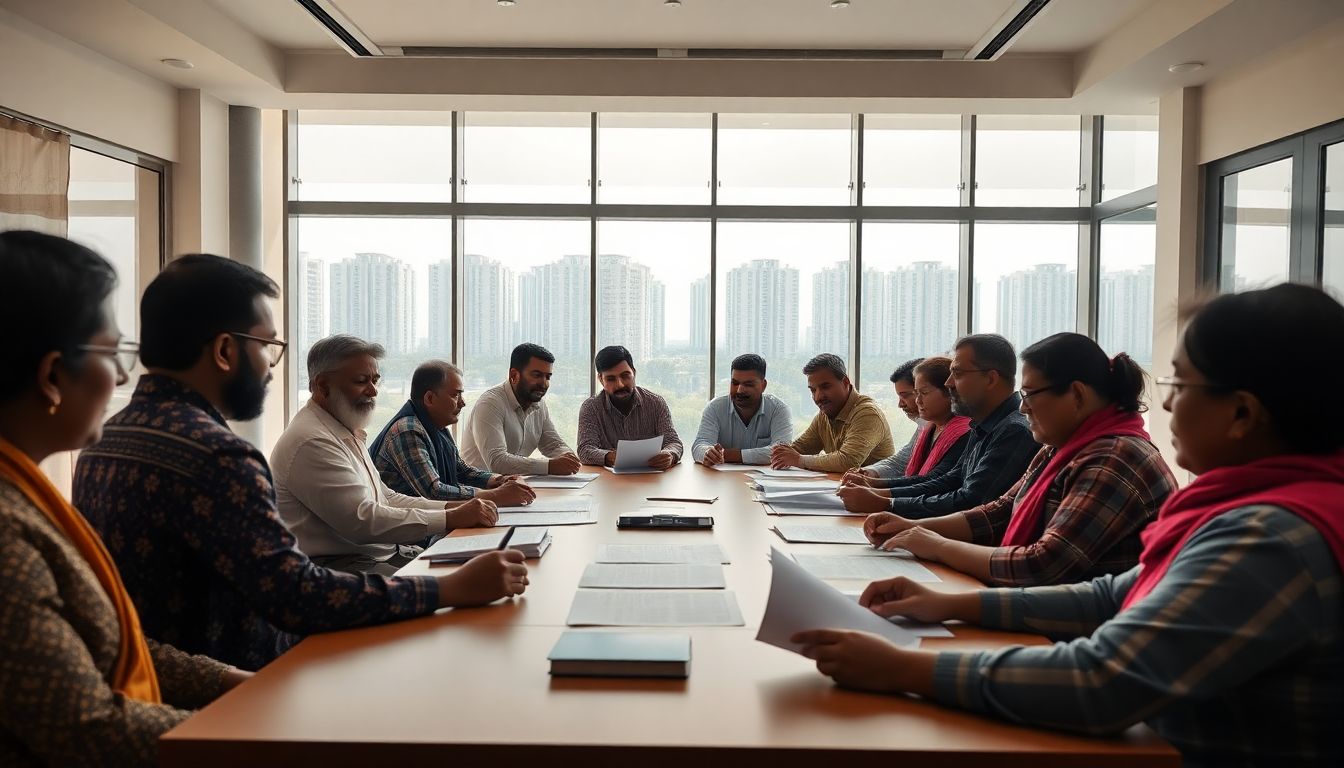
Resident groups and welfare associations across Hyderabad and Cyberabad have voiced strong opposition to the draft CURE-2026 Bill, raising major concerns over proposed hikes in property tax, water, and sewerage charges. Following the conclusion of the public consultation period on July 24, key organizations including the Federation of Gated Communities Cyberabad (FGCC) and the United Federation of Resident Welfare Associations (U-FERWAS) demanded a rollback of the higher levies and requested major amendments to the legislation.
The executive committee of the FGCC unanimously resolved that it does not support the draft bill in its current form. Dr. Sai Ravi Shanker, president of the FGCC, highlighted confusion regarding property tax assessments, specifically whether taxes would be evaluated based on market value or sale deeds. He noted that using sale deeds would make property taxes non-uniform and create an injustice for residents.
Community representatives also objected to several other provisions, including the proposed introduction of a single application for paying all civic utilities. Resident welfare associations red-flagged their lack of participation in the process, the non-existence of ward committees, and a total absence of accountability and auditing mechanisms within the proposed framework.
Administrative provisions within the bill also drew sharp criticism. Associations pointed out the lack of financial autonomy for zonal commissioners and deputy commissioners, as well as new powers allowing the government to suspend resolutions passed by civic bodies and dissolve municipal corporations. Representatives urged the government to amend the bill to strengthen urban local bodies rather than centralize administrative authority.
B.T. Srinivasan, general secretary of U-FERWAS, requested that the government re-examine the bill in consultation with elected representatives, resident welfare associations, urban planning experts, and other stakeholders. He stated that authorities must ensure no additional financial burden is placed on citizens without adequate safeguards and public consultation.
In addition to seeking a tax rollback, residents called for strict accountability for contractors who execute substandard civic works, demanding transparent third-party audits that are placed in the public domain. While residents acknowledged that updating civic laws is necessary because Hyderabad has changed significantly since the original GHMC Act was formulated, they maintained that the proposed financial hikes remain unacceptable.