Hyderabad Experts Call For Lifelong Autism Support At Autism Odyssey Conference
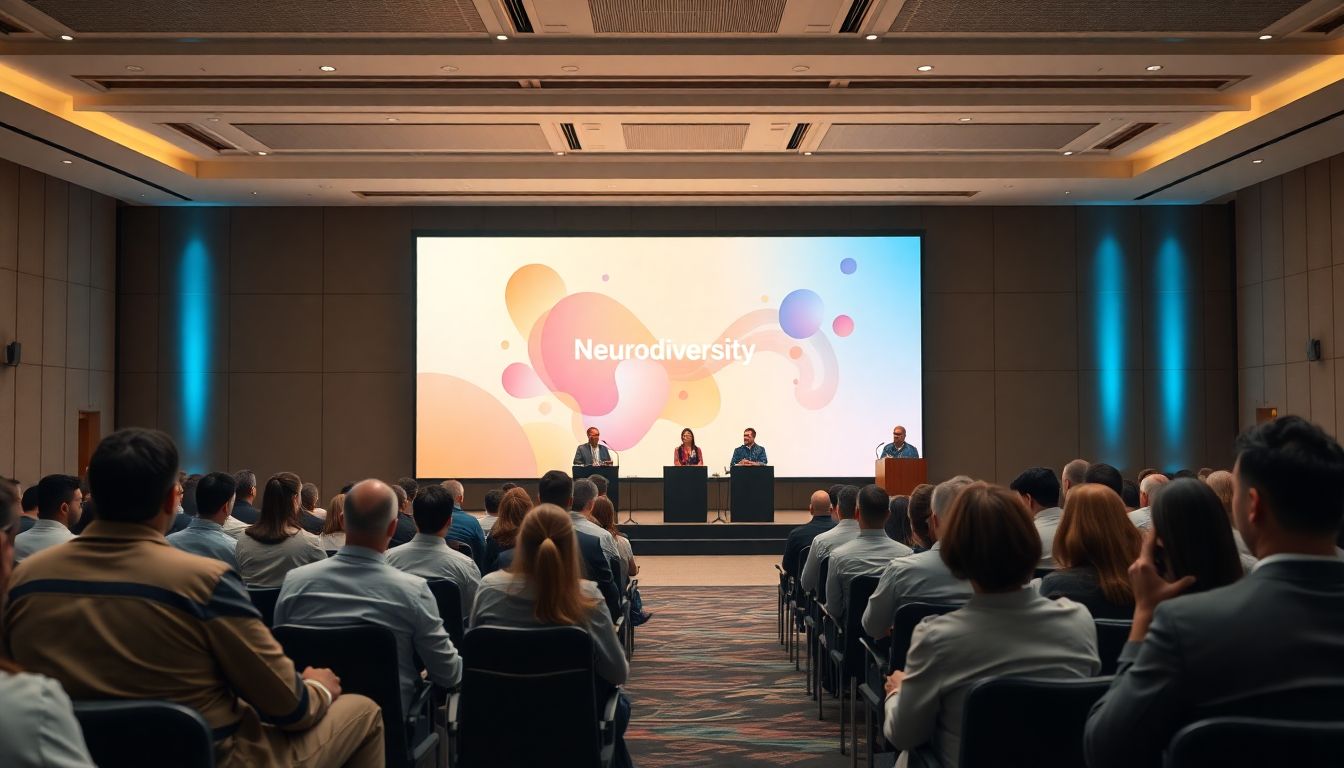
Medical experts and developmental specialists gathered at the Child Development Centre at Rainbow Children’s Hospital in Hyderabad for the Autism Odyssey 3.0 conference to advocate for a shift toward lifelong support for individuals with Autism Spectrum Disorder (ASD). The two-day international conference, highlighted on July 12, 2026, emphasized that autism care must extend far beyond early childhood diagnosis and early interventions to provide sustained support through adolescence, adulthood, and old age.
The major international event was organized by the Child Development Centre at Rainbow Children’s Hospital. The conference was held in collaboration with Marham, the Ali Yavar Jung National Institute for the Hearing Handicapped, the Indian Academy of Pediatrics, and other organizations working in the field of autism.
The central theme of the conference focused on the understanding that autism is a lifelong developmental condition rather than a diagnosis limited to childhood. Experts at the event highlighted the critical need for integrated systems that can support autistic individuals through all stages of life, including education, employment, relationships, independent living, and aging, while keeping families at the center of care.
Dr. Pratima Giri, a developmental pediatrician, spoke at the event about the necessity of building robust systems and a collaborative roadmap to support autistic individuals. She emphasized that addressing these needs requires multidisciplinary teams working across multiple sectors.
"We need robust systems and a roadmap to support autistic individuals. This requires multidisciplinary teams working across health, education, vocation, policymakers, NGOs and other stakeholders," Dr. Giri said. She further noted that the conference was the direct result of such a collaboration, and added that "such partnerships should continue to define autism care in the community."