Government urges Hyderabad and state farmers to switch from paddy to dry crops
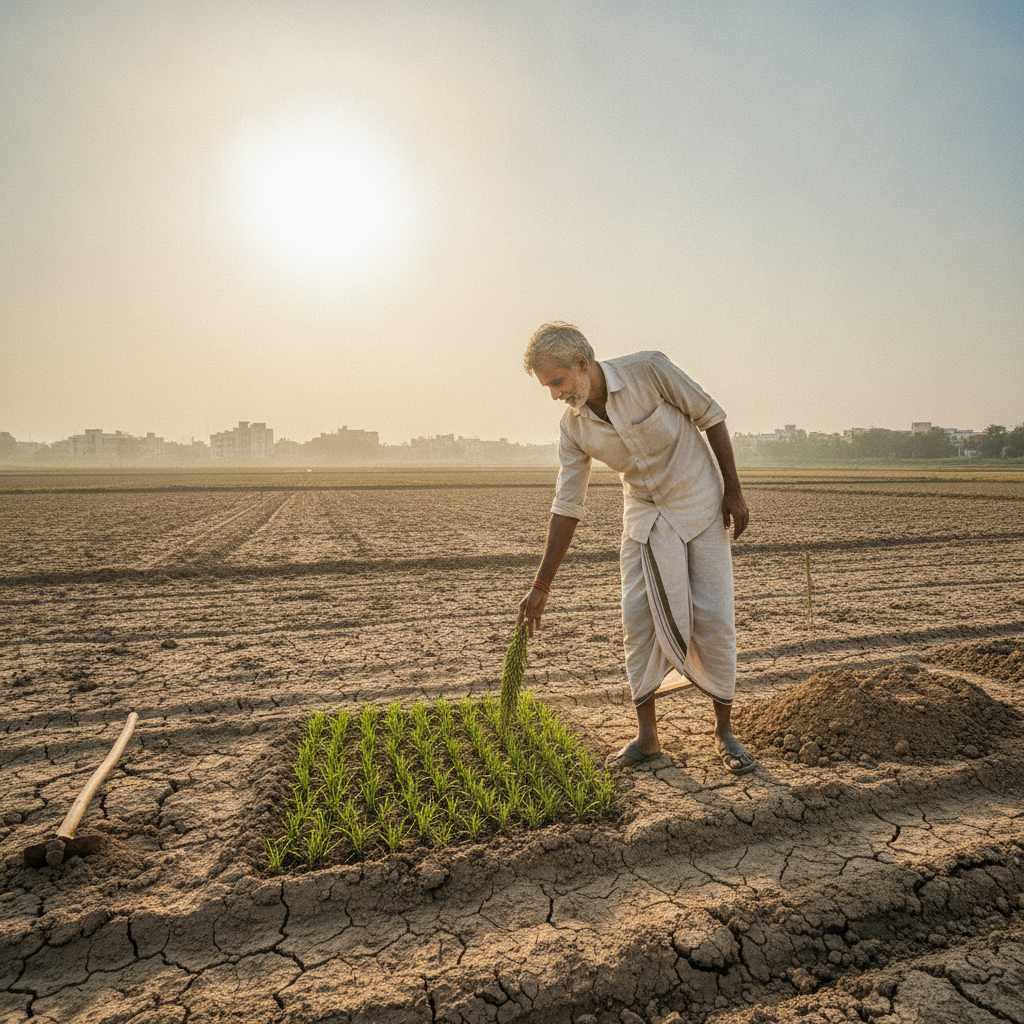
The state government has introduced an alternative cropping plan in Hyderabad and across the state, urging local farmers to switch from water-intensive paddy cultivation to low-water alternative crops. This strategic initiative has been launched in response to a significant rain deficit and rapidly depleting groundwater levels, which have been exacerbated by the weakening of monsoon prospects under the ongoing El Niño effect.
As local farmers' hopes for good rainfall continue to fade due to inadequate rains, the government is pushing for a shift toward more sustainable and profitable farming practices. The newly rolled out alternative cropping plan aims to encourage agriculturalists to opt for specific crops that require less water but still offer better yields.
Agriculture officials are particularly focusing on paddy farmers who traditionally rely on water-intensive cultivation methods. The state authorities are advising these farmers to adapt to the changing weather conditions and switch to suitable alternatives. The main focus of this drive is on farmers who grow paddy under borewells and tanks, urging them to transition toward dry crops.
Officials noted that alternative crops such as maize, soybean, and cotton are already being cultivated extensively across various parts of the state. Under the new guidelines, if water availability permits, farmers are being urged to take up maize cultivation instead of paddy by the end of this month.
In cases where rainfall remains well below expectations by August, the government is encouraging farmers to opt for pulses instead. The recommended alternative pulse crops include green gram, red gram, and black gram to cope with the dry spell.
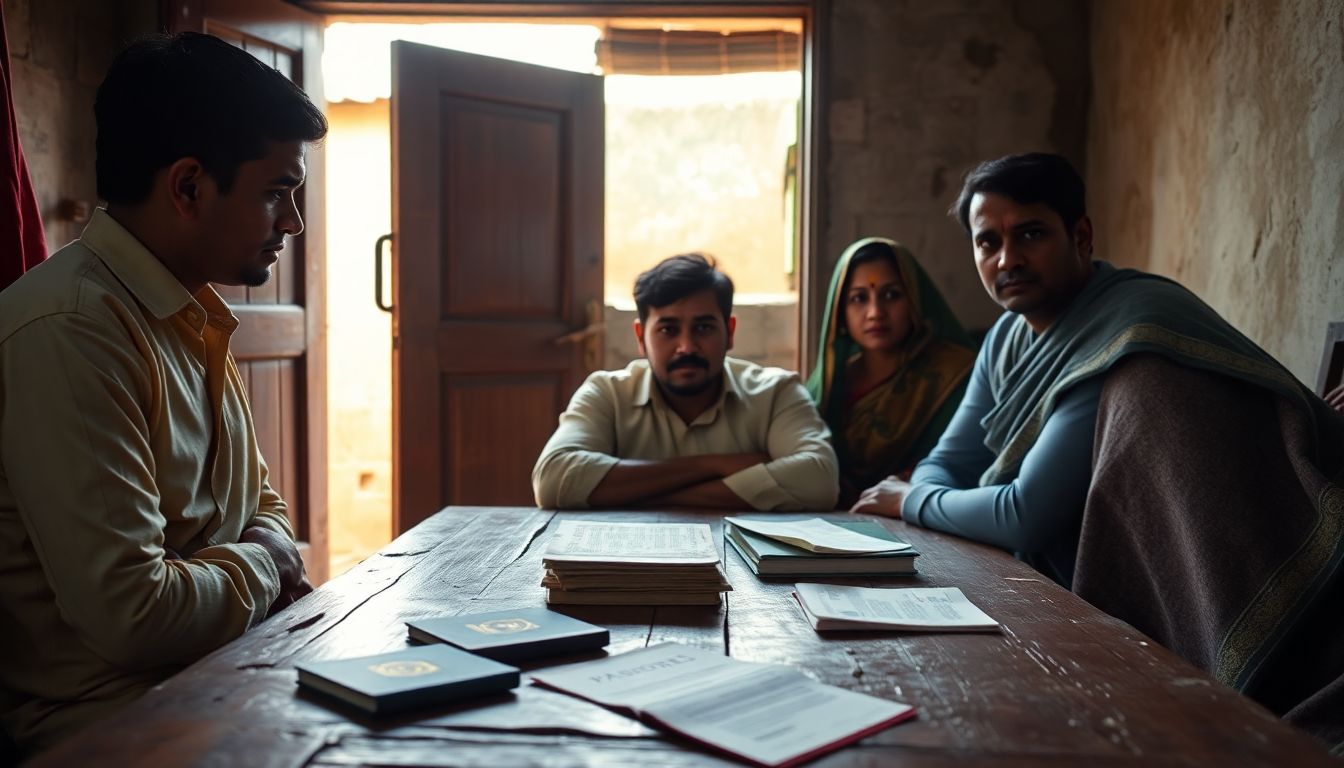
To facilitate this transition, agriculture officials are visiting farmers directly on the ground. These visits aim to create widespread awareness and guide the farming community on crop diversification strategies that are specifically suited to the current challenging weather conditions.