Deepa Kiran and Harini Rao Present Stree Nama at Saptaparni in Banjara Hills
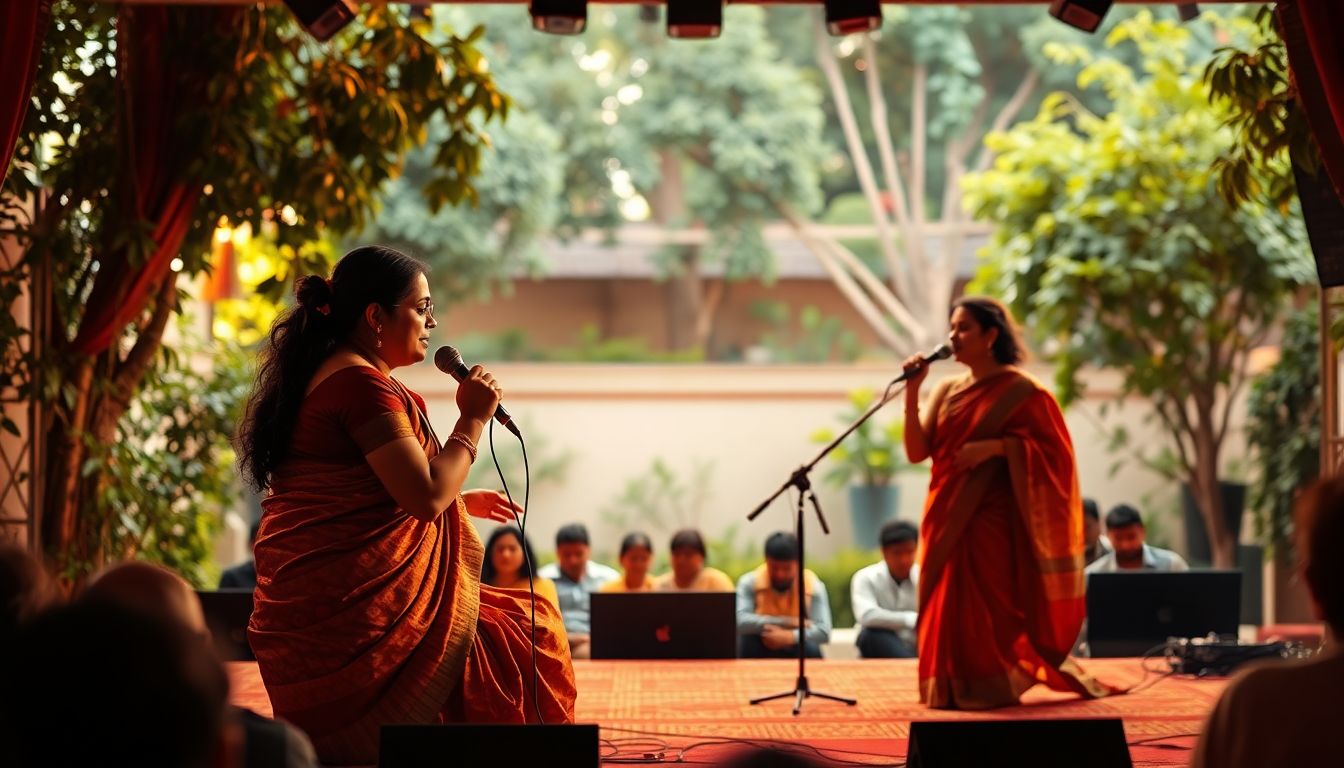
Storyteller Deepa Kiran and singer Harini Rao presented 'Stree Nama', a 90-minute performance blending storytelling and music to chronicle the lives of six historical women, held at Saptaparni in Banjara Hills, Hyderabad.
The performance took place alongside the opening of the Varnam Craft Collective and brought to light the narratives of Mah Laqa Bai Chanda, Chityala Ailamma, Gauhar Jaan, Iqbal Bano, Bangalore Nagaratnamma, and Durgabai Deshmukh. The featured figures lived across different eras and regions but were connected through their efforts to reclaim personal agency and sovereignty across art, music, dance, and public life.
According to Deepa Kiran, the collaboration with Harini Rao originated after discovering their shared interest in women-centric narratives. The presentation aimed to convey the journeys of women protagonists through artistic expression without being overt.
Developing the material required detailed research, particularly for figures whose histories were less accessible in English. While compiling the story of Telangana icon Chityala Ailamma, Deepa consulted Telugu-language books with the assistance of Telugu journalists. This research uncovered the use of 'Uyyala Patalu', a Telangana folk song tradition akin to Bathukamma, used to preserve the memory of legendary figures rather than serving solely as lullabies.
The performance also highlighted historical anecdotes, including a 1923 incident involving a young Durgabai Deshmukh, who was volunteering at an event entrance and stopped Jawaharlal Nehru because he did not possess an entry ticket. The narrative also detailed how Deshmukh later placed a newspaper advertisement to find fellow women to live, study, and work together in Hyderabad due to a lack of women's hostels at the time.
Reflecting on the role of music alongside spoken narrative, Deepa noted that while oral storytelling allows listeners to visually construct events, music engages emotion and visualization under principles like the Bonny Theory. Combined, she stated, the two mediums function like the warp and weft of a handloom fabric to bring historical accounts to life.