Asaduddin Owaisi Criticises New Vande Mataram Law at Dar Us Salam Meeting
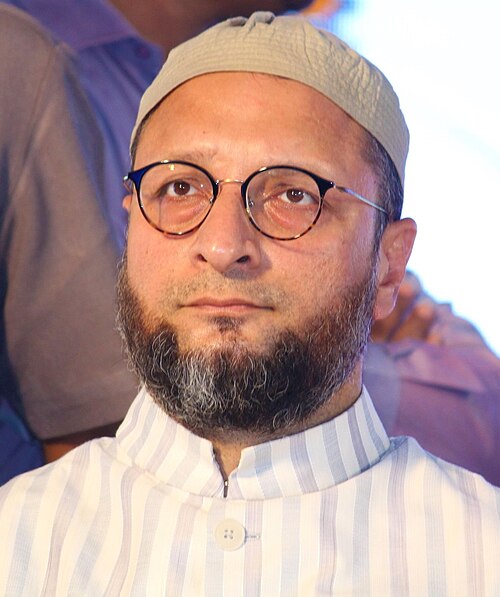
All India Majlis-e-Ittehadul Muslimeen (AIMIM) president and Hyderabad MP Asaduddin Owaisi has strongly criticised the new Vande Mataram law, describing it as an insult to Mahatma Gandhi, Rabindranath Tagore, and Subhash Chandra Bose. Addressing the Jalsa e Rahmatul Lil Alameen public meeting at Dar Us Salam in Hyderabad late on Tuesday night, Owaisi pointed out that these historical leaders had originally determined that only the first two stanzas of the song should be adopted and sung.
Questioning the central government's move, Owaisi asked whether Prime Minister Narendra Modi considered himself more patriotic, wiser, and more intellectual than Gandhi, Bose, and Tagore when introducing a new law regarding Vande Mataram.
Owaisi emphasised that the nation belongs to all its citizens equally. He noted that while some people choose to worship the nation, others wish to be buried in its soil, but everyone shares a deep love for India. He asserted that no one should be compelled to treat the nation as a deity, stating firmly that he would continue his religious proclamations regardless of threats of imprisonment or violence.
Highlighting constitutional principles, the Hyderabad MP reminded the audience that the Preamble to the Constitution of India begins with the words "We, the People of India" rather than "Bharat Mata."
Owaisi also targeted the central government over its handling of economic issues and youth employment. He stated that there are currently 11 crore unemployed youth across the country. Instead of providing employment opportunities to young people who are taking to the streets in protest, Owaisi alleged that the Modi administration wants them to recite Vande Mataram and become 'gau rakshaks'.
Additionally, Owaisi addressed a recent ruling by the Allahabad High Court that rejected a petition by a Muslim girl seeking permission to wear a headscarf at school. Labeling the judgment an attack on Islam, he questioned the authority of judges to determine essential religious practices, maintaining that the community itself should decide its religious traditions.