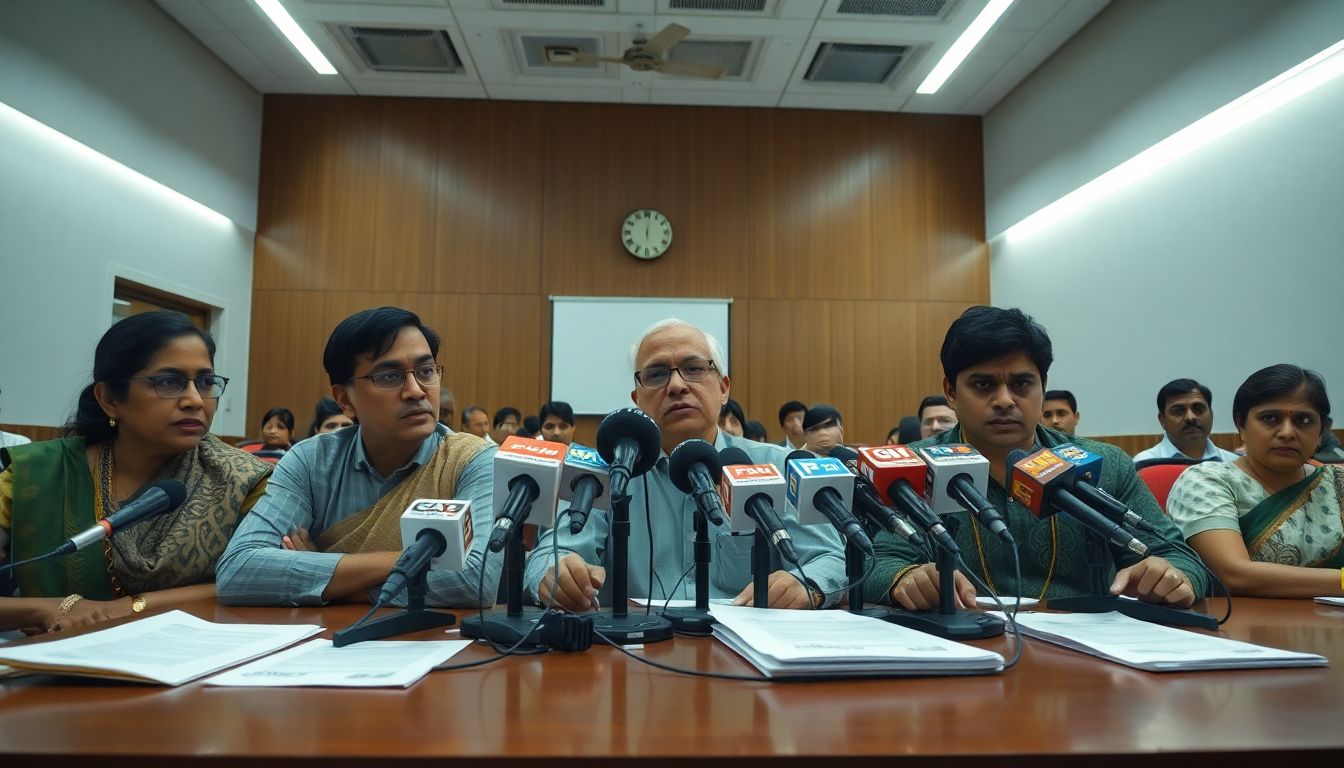
Yugantar Study Reveals Barriers to UPI Adoption Among Women in Telangana
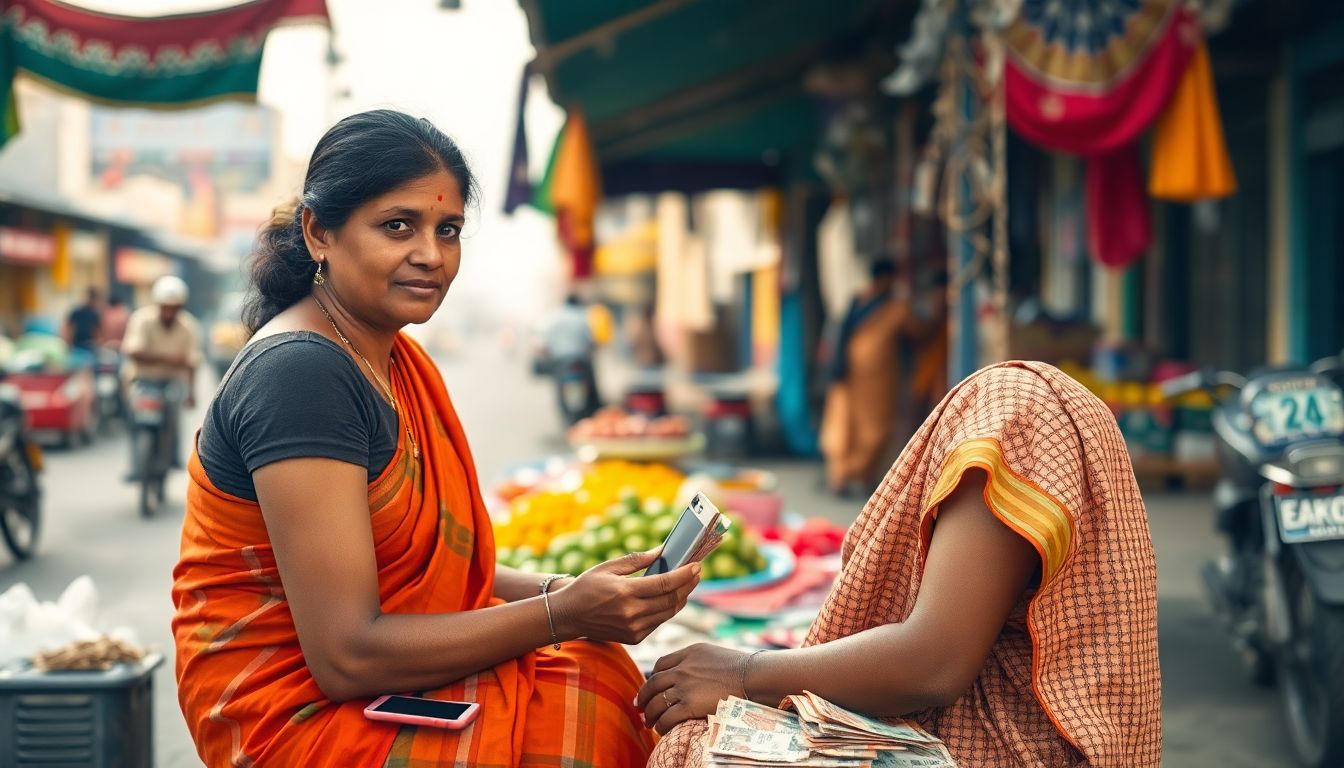
A study conducted across Telangana, featuring vendors on Hyderabad's Jubilee Hills Road No. 10 and thousands of informal sector workers, has found that access to smartphones does not automatically translate into digital payment adoption for low-income women.
The research, conducted by Hyderabad-based non-governmental organisation Yugantar and published in Springer Nature's CSI Transactions on ICT, examined the Digital Budget Rani programme. The initiative worked with 40,552 women across 13 districts in Telangana and two in Andhra Pradesh between 2023 and 2025 across urban, semi-urban, and rural areas.
The programme was implemented in partnership with the Greater Hyderabad Municipal Corporation, the Telangana Domestic Workers’ Union, the Mission for the Elimination of Rural Poverty, and the Society for the Elimination of Rural Poverty.
According to the findings, women’s adoption of the Unified Payments Interface (UPI) is shaped by trust, confidence, social norms, and control over finances rather than technology access alone. While earlier Budget Rani data revealed that 70% of women possessed bank accounts and nearly all had mobile phones, fewer than 10% executed digital payment transfers.
The researchers identified three distinct trajectories regarding women's relationship with UPI. The first group consisted of active users, who were typically younger women with higher educational attainment and better access to technology. The remaining two groups were non-users. Among non-users, some faced structural and social obstacles, while others actively chose not to use UPI due to distrust and financial control concerns.
The study noted that the expansion of digital payments has not benefited women from marginalised communities equally, despite UPI growing to account for approximately 70% of all digital payments in India in 2023-24. Total digital payment transactions across the country expanded by 46% from ₹8,839 crore in 2021-22 to ₹18,737 crore in 2023-24, according to Union Ministry of Finance data.
To bridge the gap, the programme introduced participants to two digital payment methods: standard smartphone applications and 123PAY, an interactive voice response (IVR)-based system. The IVR option proved particularly effective for women who experienced difficulties operating app-based interfaces.
The researchers cautioned that their findings focus primarily on the onboarding stage rather than long-term, continued UPI usage.