UoH researchers find curd bacteria suppresses intestinal pathogens
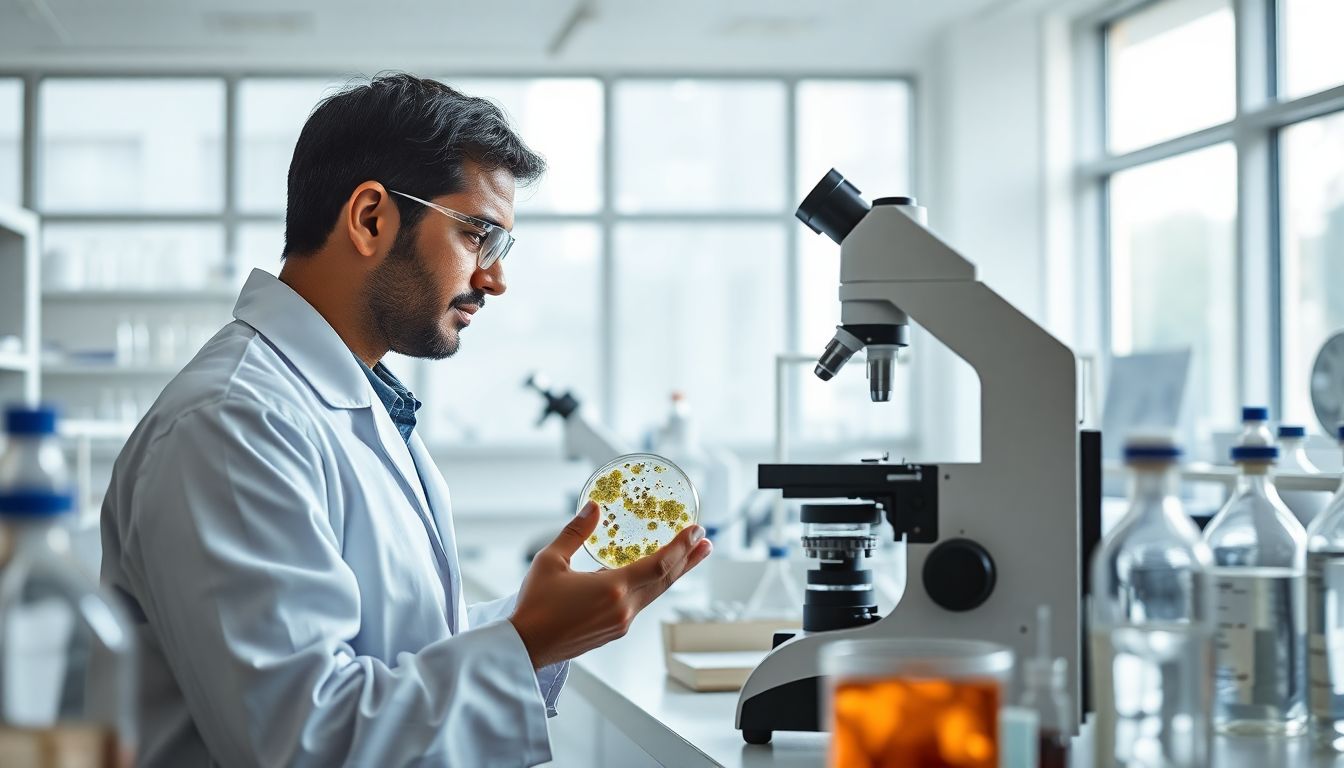
Researchers at the University of Hyderabad (UoH) have discovered that a strain of Lactobacillus johnsonii bacteria isolated from homemade curd can suppress intestinal pathogens and reduce infection-related colon damage. The study, which was led by Dr. Vijay Morampudi of the Department of Biochemistry under the School of Life Sciences, was published on July 10 in the scientific journal Frontiers in Immunology.
The breakthrough suggests a potential multifunctional probiotic alternative that could help curb global dependence on antibiotics. The research specifically examined Enteropathogenic Escherichia coli (EPEC), which is a major cause of diarrhoea in children, alongside Citrobacter rodentium, a bacterium utilized by scientists to reproduce similar intestinal infections in mice.
During laboratory testing, the UoH research team observed that the isolated Lactobacillus johnsonii strain successfully survived simulated stomach acid and bile. It was able to attach to human intestinal cells and reduced EPEC biofilm formation by approximately 60 percent. Furthermore, the beneficial bacteria successfully removed more than half of the EPEC bacteria that had already attached to the intestinal cell line.
The published paper states that these findings support the classification of L. johnsonii as a "multifunctional probiotic." The Hyderabad-based researchers linked these positive effects to three main factors: nutrient competition, biofilm disruption, and the release of small antimicrobial compounds by the bacterium itself.
Despite the promising results, the authors of the study clarified that the work remains in its preclinical stages. No human patients have been studied yet, and the animal experiments were conducted exclusively on antibiotic-treated female mice. The research team noted that additional genomic and safety assessments will be necessary before any wider clinical conclusions can be made, especially because the curd-isolated strain showed resistance to the antibiotics kanamycin and gentamicin during laboratory testing.
The paper represents the very first research article to be published from Dr. Morampudi’s laboratory. It was co-authored by a team of researchers including Sai Madhuri Vasamsetti, Yasaswi Khaderbad, Novelina Sarmah, Hari Naga Papa Rao Atham, Pavan Kumar Pondugala, and Venkata Ramana Chintalapati.