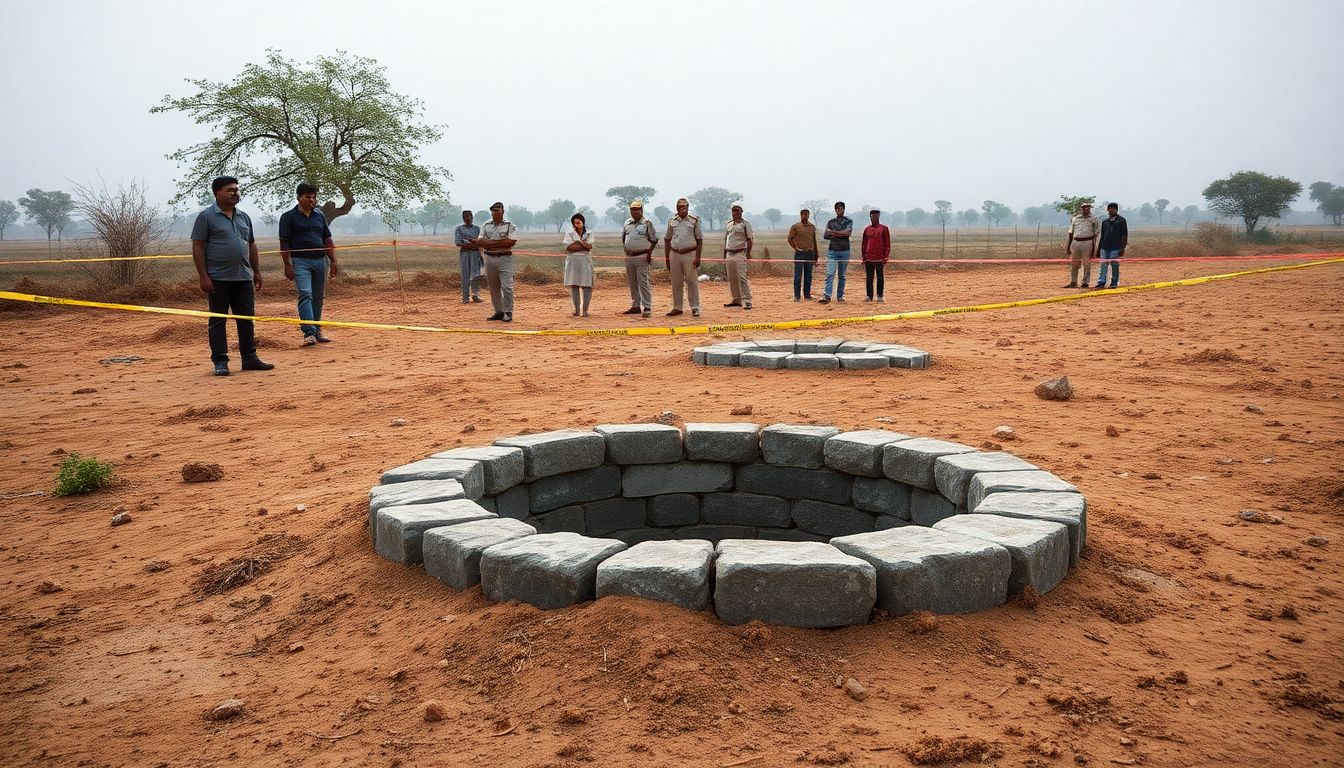
Two-Year Traffic Diversions Around KBR Park in Hyderabad Take Effect
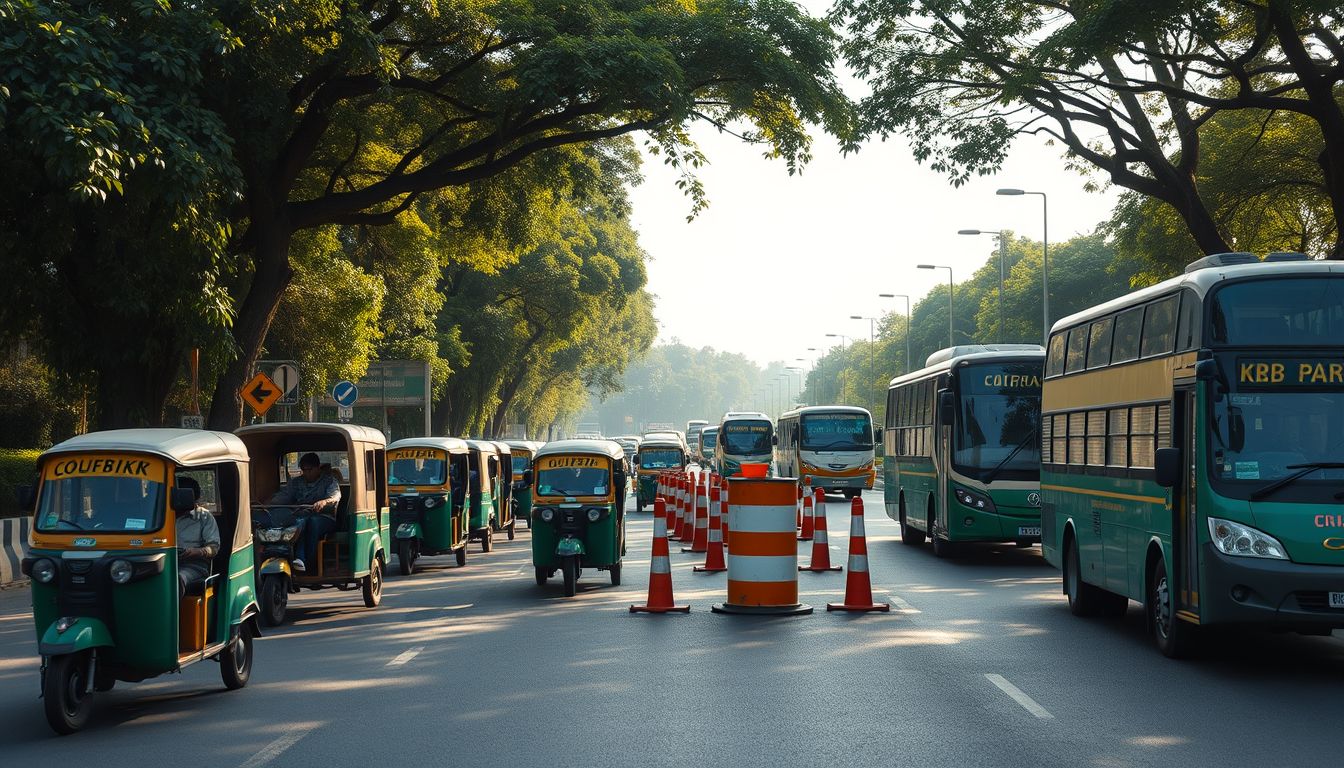
One-way traffic restrictions around KBR Park in Hyderabad came into effect on Tuesday, marking the start of a two-year diversion plan for a major infrastructure overhaul that directly impacts the Banjara Hills and Jubilee Hills localities.
Under the new arrangement, motorists heading towards Jubilee Hills Check Post from KBR Junction via Punjagutta must now take a detour of six to seven kilometres. The detour is expected to add roughly 30 minutes to travel times, raising concerns over heavy peak-hour congestion as private vehicles share alternative corridors with TGSRTC city buses, cabs, and autorickshaws.
Public policy expert Donthi Narasimha Reddy raised objections to the restrictions in a representation submitted to Hyderabad Police Commissioner V C Sajjanar. Reddy questioned how round-the-clock police personnel and drone monitoring could be deployed without consultation with the Unified Metropolitan Transport Authority (UMTA) and the Telangana State Road Transport Corporation (TGSRTC).
Reddy also highlighted pedestrian safety risks, pointing out that navigating uneven, hidden, or missing footpaths alongside heavy traffic creates serious hazards. He questioned whether civic authorities had mapped locations where pedestrians are forced onto carriageways. GHMC officials maintained that while gaps exist in some sections, approximately 70 percent of footpaths remain available for pedestrians around KBR Park.
The revised traffic flow is also expected to affect hundreds of patients and their attendants travelling from across both Telugu States to visit hospitals and healthcare facilities in the area. Due to the one-way system, visitors will face additional walking distances to reach hospital entrances or public transport.
Furthermore, the restrictions are set to impact the Hyderabad Metropolitan Water Supply and Sewerage Board's water distribution network. The Water Board currently operates 25 tankers from eight filling stations on Road No 10, Banjara Hills, near the Indo-American Cancer Hospital, serving 10,000 to 25,000 consumers across Banjara Hills and Jubilee Hills. Because water tankers must take a five-to-six-kilometre detour, delivery backlogs and delays are expected to accumulate.