Telangana To Activate QR Coded Cashless Health Cards For Employees From July 15
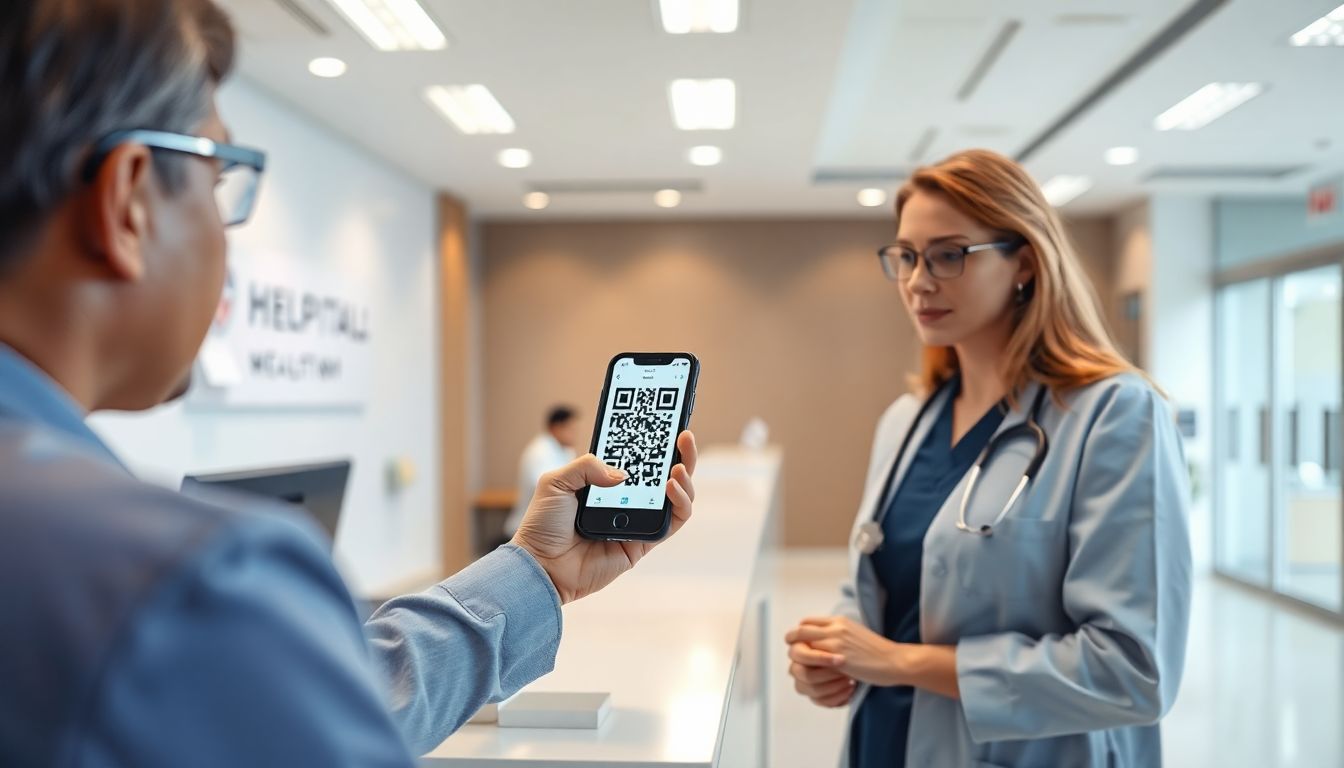
In Hyderabad, the Employees Health Care Trust (EHCT) Board decided on Friday to launch cashless treatment under new QR-coded health cards starting July 15. The decision was finalized during a meeting chaired by Chief Secretary Sanjay Jaju, establishing a concrete timeline for Telangana government employees and pensioners to access healthcare services.
Under the newly approved system, eligible beneficiaries can download their QR-coded health cards directly onto their mobile phones. This digital system will facilitate cashless treatment at 943 hospitals. A total of 2,594 medical procedures will be covered under the scheme, ensuring comprehensive healthcare support.
The EHCT Board also decided that Central Government Health Scheme (CGHS) rates will apply to all treatments provided under this initiative. According to officials present at the meeting, the official government order containing the revised Employees Health Scheme (EHS) guidelines is expected to be issued within four days.
To ensure smooth implementation, a follow-up meeting has been scheduled for Monday with EHS CEO Hanumanthu Kodimba. This upcoming meeting will focus on discussing the revised guidelines in detail. The initial Friday meeting was attended by senior officials as well as representatives from various employees' and pensioners' associations.
In tandem with the card rollout, the board announced that a dedicated EHCT mobile application will be developed. This mobile app will carry all details of the health scheme, allowing users to easily navigate their benefits and treatment options.
Furthermore, the government plans to significantly expand its network of wellness centres to provide statewide coverage. In addition to the 12 wellness centres currently in operation, the government will open 24 new wellness centres at district headquarters. These centres will play a crucial role in local healthcare by providing essential outpatient care, conducting diagnostic tests, and supplying regular medicines to the beneficiaries.