Telangana Records 35 Percent Rainfall Deficit as Southwest Monsoon Fails
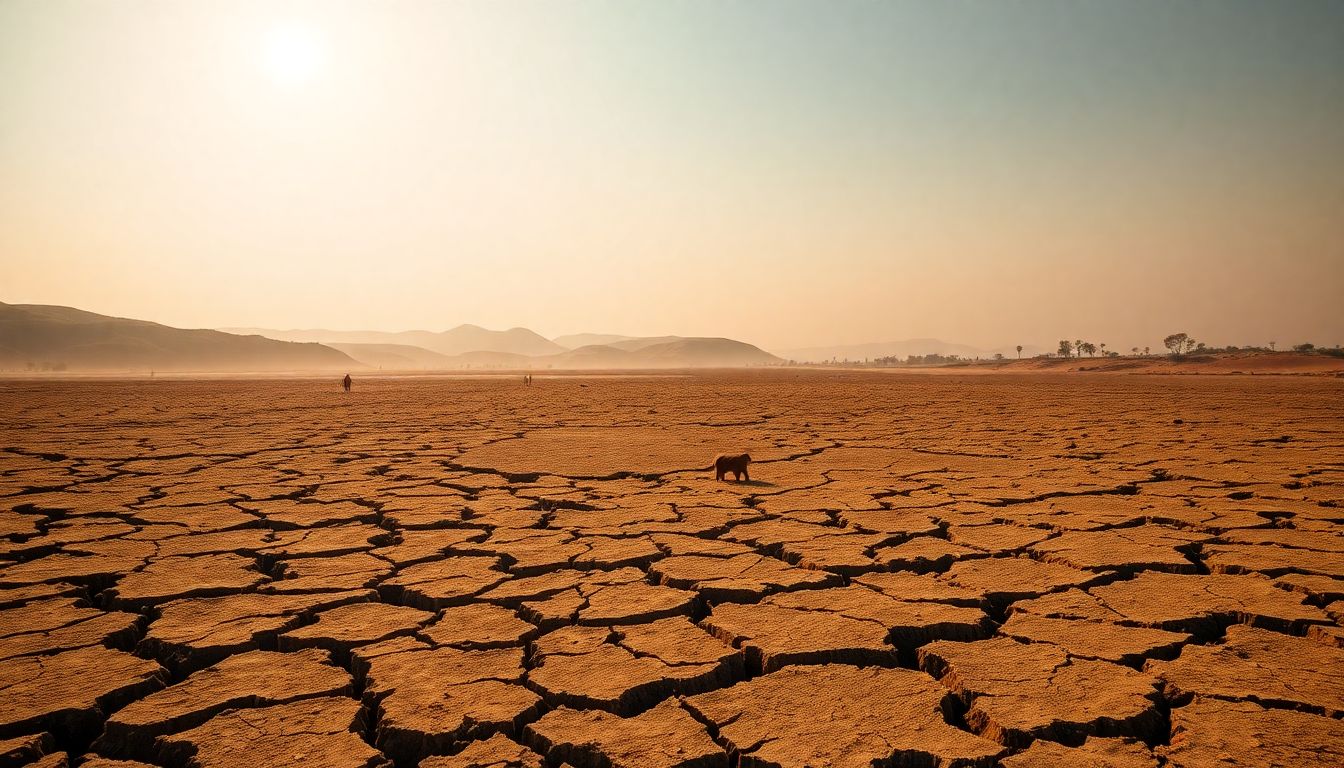
As of July 16, 2026, Telangana is facing a 35 percent rainfall deficit due to a weakening southwest monsoon, with hard-hit areas like Medchal-Malkajgiri and Hanumakonda recording drastic drops in cumulative rainfall. Data from the Telangana Development Planning Society (TGDPS) showed that the state recorded only 159.1 mm of cumulative rainfall against the normal 243.4 mm, raising concerns over agriculture, water security, and a potential drought.
The dry spell is widespread across the state. Out of Telangana's 33 districts, 27 are officially categorised as 'Deficient', with rainfall deficits ranging from 20 percent to 59 percent.
The situation is particularly severe in Hanumakonda and Medchal-Malkajgiri, both of which fall under the 'Large Deficient' category. Hanumakonda recorded a 67 percent deficit, while Medchal-Malkajgiri recorded a 60 percent deficit.
Urban areas are also experiencing dry conditions. The combined region of GHMC, Cyberabad, and Medchal-Malkajgiri has recorded a 42 percent cumulative rainfall deficit since June 1. These three regions received 112.5 mm of rainfall against the normal average of 193.4 mm. The entire Greater Hyderabad region, with the exception of Rangareddy, remains on the deficit list.
In contrast, only four districts in the state have recorded normal rainfall. These are Nalgonda, Rangareddy, Nagarkurnool, and Mulugu.
The monsoon began with a relatively mild 12 percent deficit in June, but the deficit widened as July progressed. July is typically the peak period for monsoon activity in Telangana, with a normal expected rainfall of 227.4 mm. However, halfway through the month, the state has received just 71.7 mm, representing a 61 percent drop below the monthly normal.
Weather experts do not expect any heavy rainfall spells during the remainder of July. This lack of precipitation has raised significant concerns among farmers and officials regarding water availability and the potential threat of a drought year.