Telangana Prison Workshops Expand Goods Output with Inmate Wages Up to ₹200
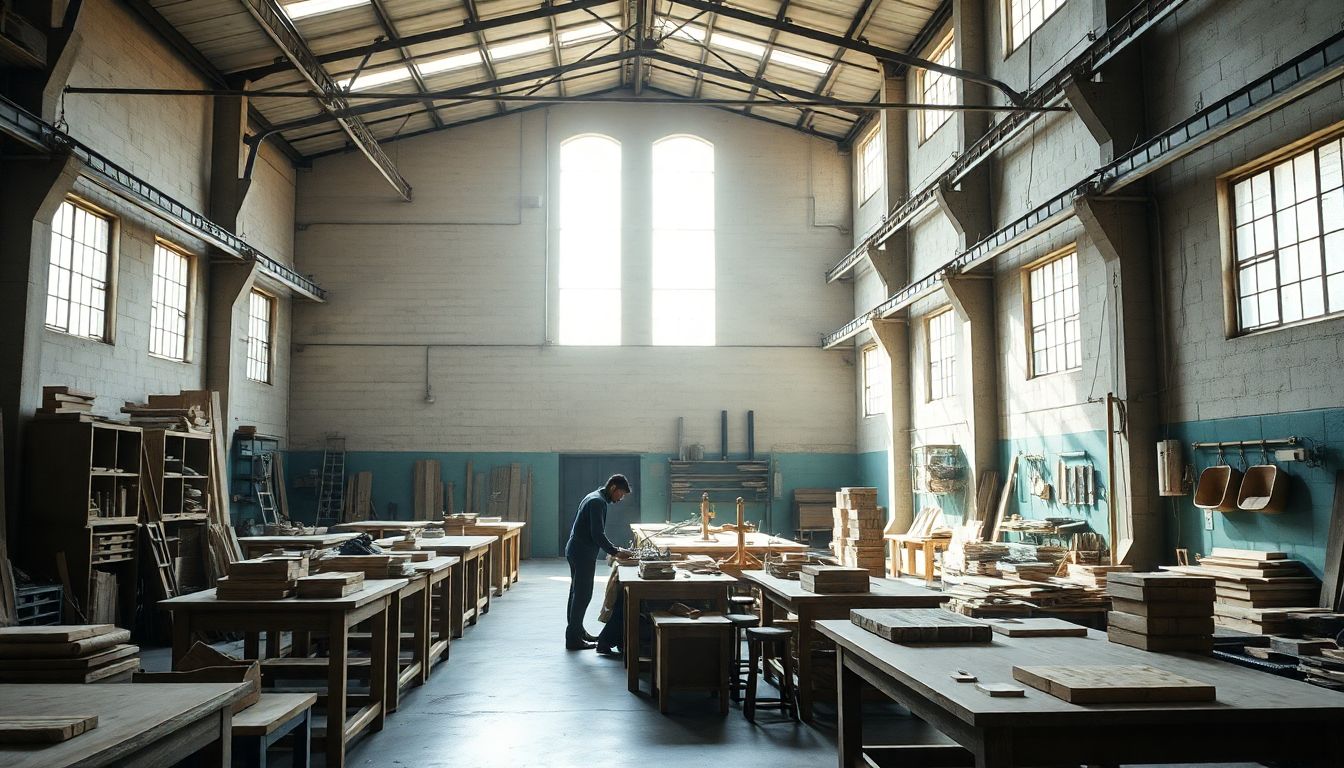
The Telangana Prisons Department has expanded manufacturing operations across its inmate workshops, including permanent outlets located outside jail premises in Chanchalguda and Cherlapalli. Director General of Prisons Soumya Mishra stated that government departments, hospitals, courts, and educational institutions regularly purchase goods from the prison industries, alongside retail sales to the general public.
Under the latest Government Order, inmate payments are tied directly to skill levels. Highly skilled workers earn ₹200 per day, skilled workers earn ₹150, semi-skilled workers earn ₹125, and unskilled workers earn ₹100. Half of these wages are deposited into bank accounts accessible after release, while the remaining 50% is credited to Personal Prison Cash accounts for use during imprisonment or for sending to their families.
Manufacturing output includes classroom benches, hospital beds, office tables, iron cots, double-bunker cots, computer tables, chairs, mobile stands, black and scented phenyl, floor cleaners, soaps, liquid hand wash, paper bags, durries, door mats, bed sheets, towels, notebooks, and herbal bath powder. The department also operates specialized units, such as a dedicated Honey Packaging Unit at the Special Prison for Women in Hyderabad to package raw honey from its newly introduced apiculture initiative.
The prison system has also introduced eco-friendly manufacturing through a 'Waste to Wealth' unit that converts old tyres, oil drums, and plastic wire into lamp stands and utility furniture. Old newspapers are repurposed into paper bags, while discarded temple flowers are used to produce agarbattis.
In addition to conventional industrial goods, prison operations encompass agriculture, poultry, dairy farming, and nursery management. The department's annual 'My Nation' stall at Numaish-2026 was awarded the Best Government Stall, serving as a direct marketplace for public sales.
Quality is monitored by a Quality Control Committee headed by senior officers at the IG and DIG levels, overseeing raw material procurement through a standardized system down to final inspections. For women inmates, the department has partnered with REHAI to offer advanced embroidery and fashion-designing training led by professional designers to enhance post-release employability.