Telangana High Court Reinstates Trial Court Judge, Quashes Compulsory Retirement
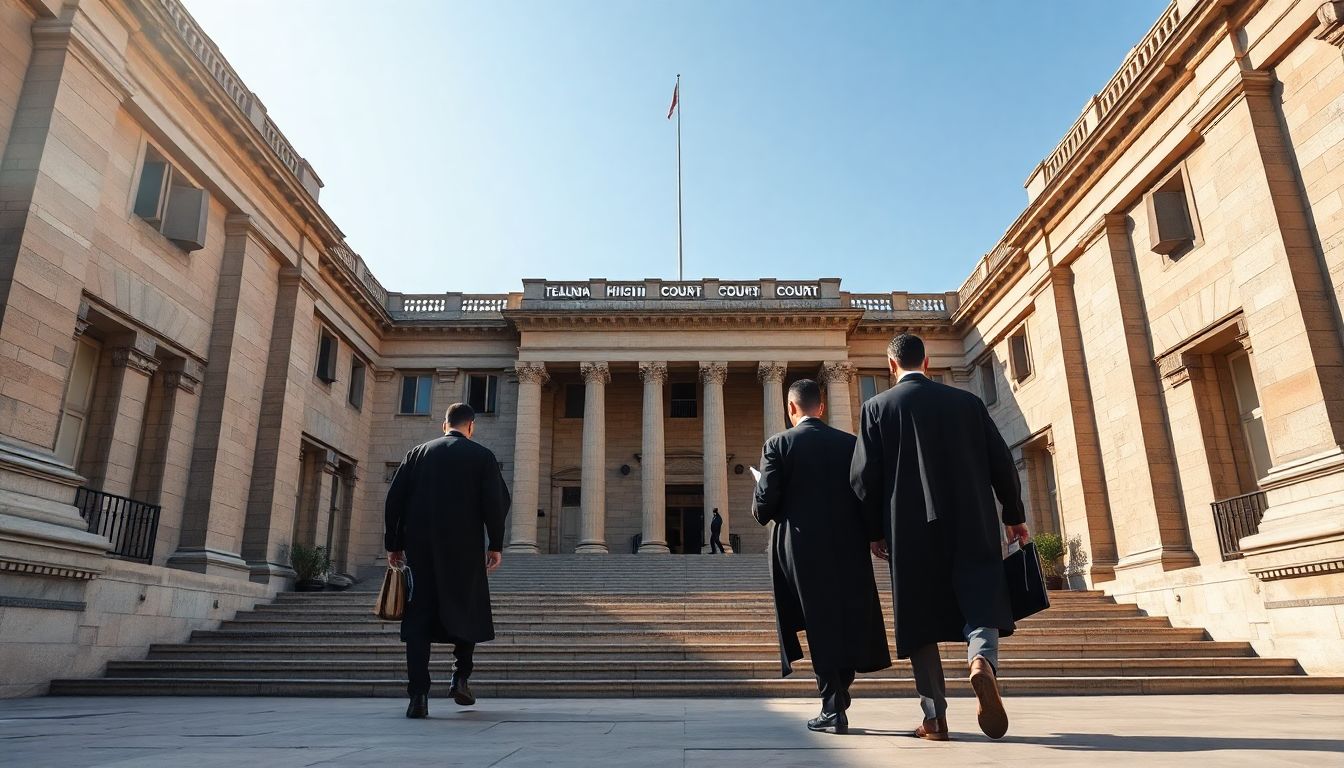
A division bench of the Telangana High Court in Hyderabad has set aside a 2018 compulsory retirement order against a trial court judge, terming the penalty unduly harsh and shockingly disproportionate. The bench, comprising Justices P Sam Koshy and Narsing Rao Nandikonda, ordered his immediate reinstatement without back wages or consequential benefits.
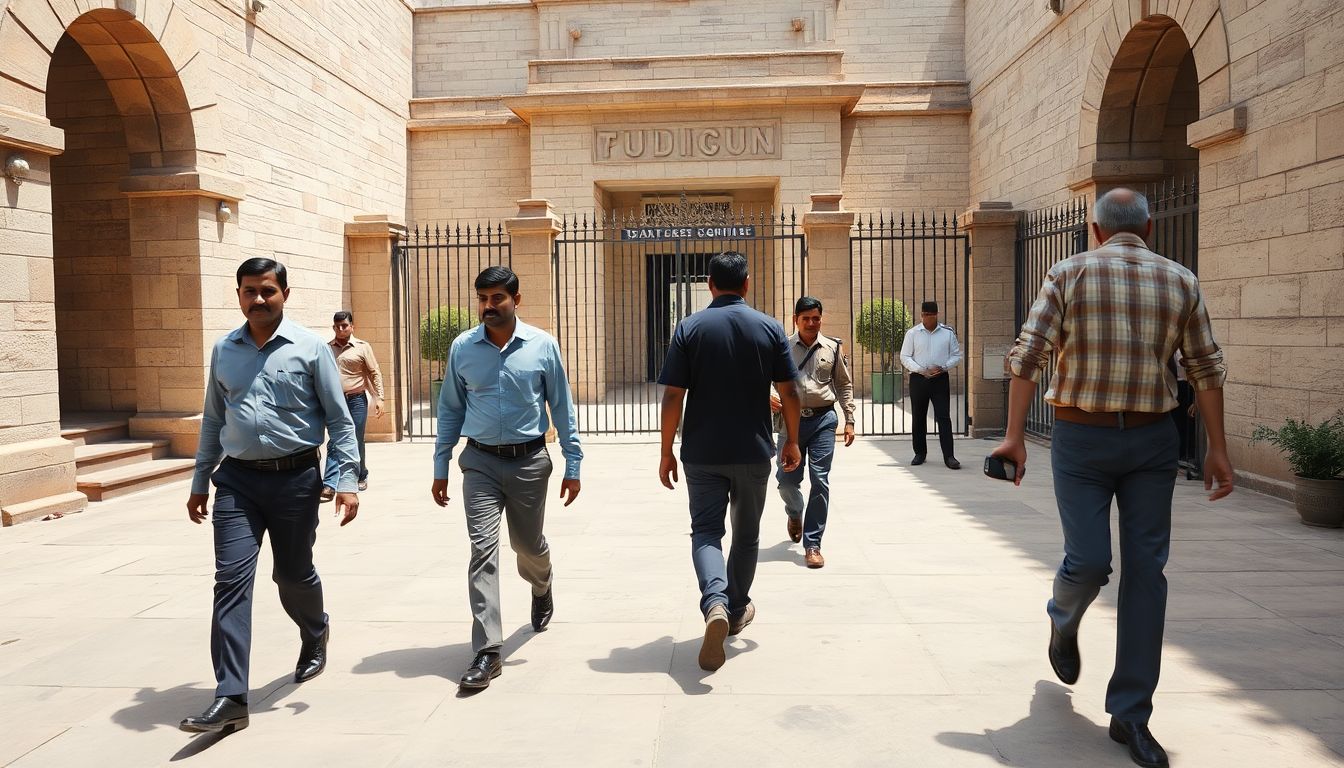
The judicial officer had joined the Andhra Pradesh Judicial Service as a junior civil judge in 2013. The disciplinary matter originated from an incident on March 18, 2014, when police intercepted his official vehicle at a check post for election-related screening under the Model Code of Conduct.
Following friction with police personnel and subsequent complaints, the High Court initiated disciplinary proceedings framing six Articles of Charge. In August 2016, an inquiry officer found two charges proved regarding discourteous conduct toward police officers, while exonerating the judge of four other allegations, including the alleged detention of toll staff and unauthorised absence from court.
However, the disciplinary authority overturned the exoneration on the remaining four charges and recommended compulsory retirement, which the State government executed on January 4, 2018.
In its ruling, the High Court bench observed that the allegations contained no charges of corruption, lack of integrity, moral turpitude, abuse of office, or dishonest motives. The judges held that there were no cogent reasons or independent material supporting the disciplinary authority's decision to reverse the inquiry officer's findings on the four charges, deeming those conclusions unsustainable.
The court sustained the two charges relating to the check-post altercation, noting that a judicial officer is expected to cooperate with law enforcement officers executing official duties rather than react discourteously. The bench took into consideration that the petitioner was a young probationary officer serving his first posting after completing basic training.
The bench stated that setting aside the retirement order does not condone the conduct, underscoring that a judicial officer's behaviour both on and off the bench must adhere to high standards of dignity, restraint, and civil courtesy. The court ruled that the years spent out of service and the denial of back wages serve as sufficient punishment for the established misconduct.