Telangana Eyes Central Green Energy Funds to Triple Renewable Capacity to 29,645 MW
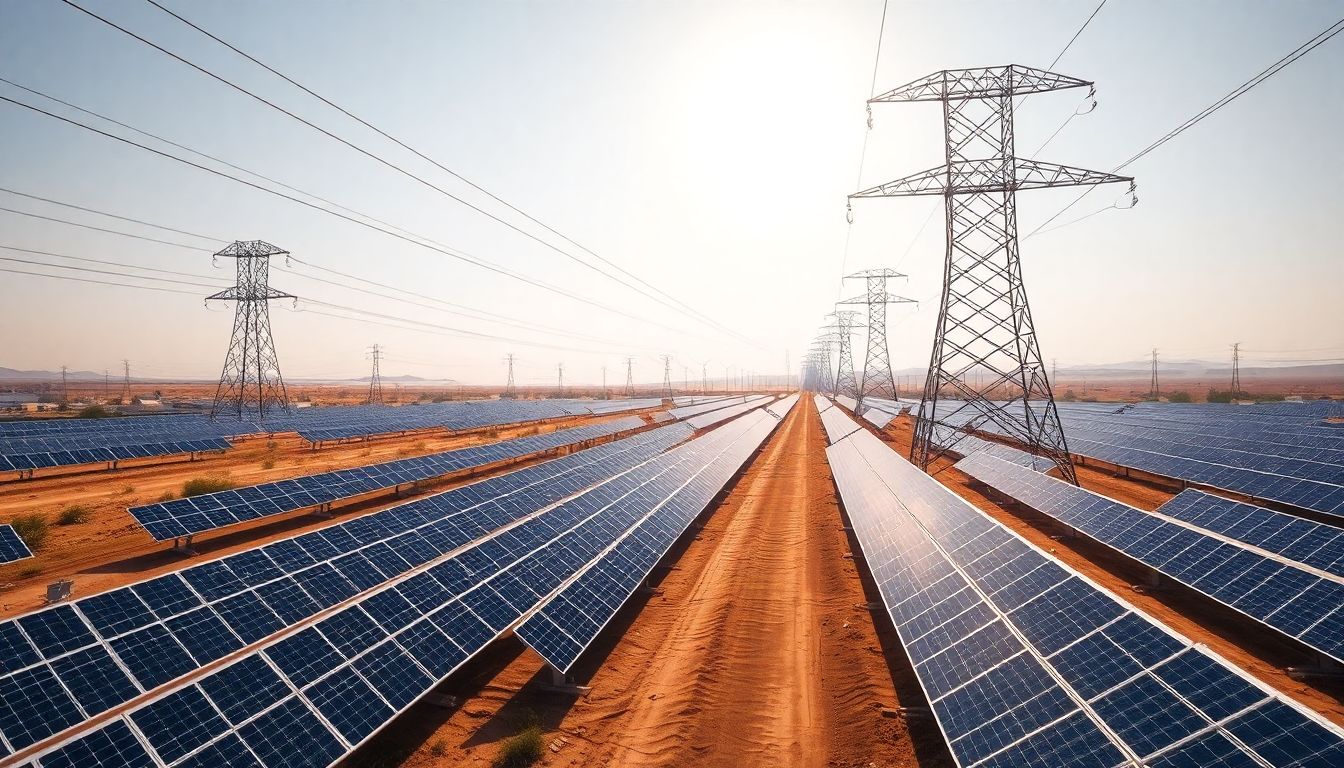
Hyderabad: Telangana is seeking to secure financial backing under the Union Cabinet-approved Rs 1.86-lakh-crore Green Energy Corridor Phase-III (GEC-III) scheme to expand its transmission network and triple its renewable energy generation. The state has set a target to increase its renewable capacity from 10,642 MW in 2025-26 to 29,645 MW by 2029-30, provided its transmission and battery-storage proposals receive clearance under the central initiative.
Telangana is among 13 states that have submitted proposals to the Central Electricity Authority (CEA) to participate in the programme. The national GEC-III scheme is designed to strengthen intra-state transmission systems for evacuating clean power and to establish Battery Energy Storage Systems (BESS) to tackle grid intermittency, transmission congestion, and peak-hour electricity demand.
To prepare for the expansion, the Telangana Cabinet recently cleared plans for approximately 7,800 MW of new generation and storage capacity. This planned addition includes 3,000 MW of solar power, 4,000 MW of BESS capacity, and 800 MW of wind energy capacity across the state.
An official stated that the state energy department and TG Transco must now map out existing and prospective solar, wind, pumped-storage, and hybrid generation clusters. They must also identify expected capacity additions and likely grid injection points before submitting detailed project proposals to the Union government to draw funds from the GEC-III programme.
State officials noted that securing approval under the scheme will help evacuate power directly from renewable generation clusters to major industrial hubs and consumption centres, lowering curtailment and easing grid congestion. Improved grid flexibility is also expected to support the expanding power requirements of Hyderabad's information technology sector and data centres, particularly during non-solar hours when battery units can supply stored electricity.
A senior official explained that BESS units may be set up at developer sites or critical grid junctions to stabilise supply during evening peak demand. The official added that competitive bidding for these projects could draw private investment into Telangana's transmission network while creating employment across manufacturing, construction, operations, and grid management.
Across the country, the GEC-III programme carries a total outlay of Rs 1,86,405 crore, which includes Rs 1,36,378 crore for intra-state transmission networks, Rs 50,000 crore for battery storage, and Rs 54,082 crore provided as Central Financial Assistance. The national programme aims to evacuate up to 135 GW of renewable power and deploy 50 GWh of battery storage by 2032-33, supporting India's larger target of 900 GW of non-fossil capacity by 2035.