Telangana CM Revanth Reddy Urges ECI to Extend Electoral Roll Revision by Four Weeks
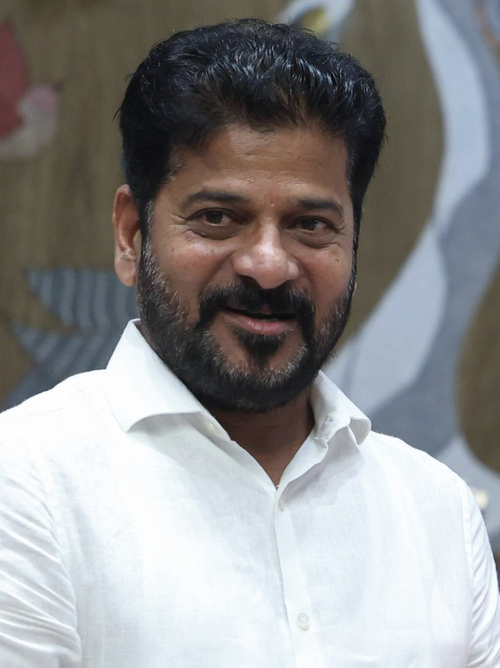
Telangana Chief Minister A Revanth Reddy has urged the Election Commission of India to extend the claims and objections period for the Special Intensive Revision of electoral rolls in the state by four weeks. In a letter sent to Chief Election Commissioner Gyanesh Kumar on Saturday, August 29, 2026, he cited concerns over the large number of electors flagged for verification and the potential exclusion of eligible voters.
According to the Chief Minister, the revision exercise has reached a critical stage, with nearly one-third of the State's electorate potentially required to establish their eligibility afresh. Against Telangana's total roll of 3.38 crore electors as of June 10, around 73.39 lakh entries have been classified under Absent, Shifted, Dead, and Duplicate (ASDD) categories.
Of the 2.65 crore enumeration forms digitised so far, 60.50 lakh have been flagged for anomalies, and an additional 32.36 lakh lack links to previous electoral rolls. The two distinct categories bring the total number of electors requiring notices to 92.86 lakh.
Mr. Reddy highlighted that 45.19 lakh, or nearly 62% of the ASDD entries, were marked as permanently shifted. He noted that the current verification process fails to adequately distinguish between temporary absence due to work or travel and permanent relocation, creating a risk that voters could be removed from the rolls without proper notice.
Urban districts face a significant concentration of these flags. Hyderabad, Medchal-Malkajgiri, and Rangareddy together account for roughly one-third of Telangana's total electorate, but comprise 58.06% of ASDD entries and 41.19% of verification notices. Frequent movement among tenants and migrant workers in these areas makes providing continuous proof of residence difficult.
The claims and objections period is currently scheduled to run from August 17 to September 16, with final rolls slated for publication on October 19. Mr. Reddy proposed extending this period by four weeks and granting electors three to four weeks to respond to verification notices.
He also recommended safeguards, including public readings of draft rolls at Gram Sabhas and Ward Committee meetings at least twice, setting up booth-level helpdesks in urban areas, expanding the list of admissible documents, and appointing additional Electoral Registration Officers to handle the high volume of cases.