Surrendered Women Maoists Walk the Ramp at Handloom Event After Hyderabad Return
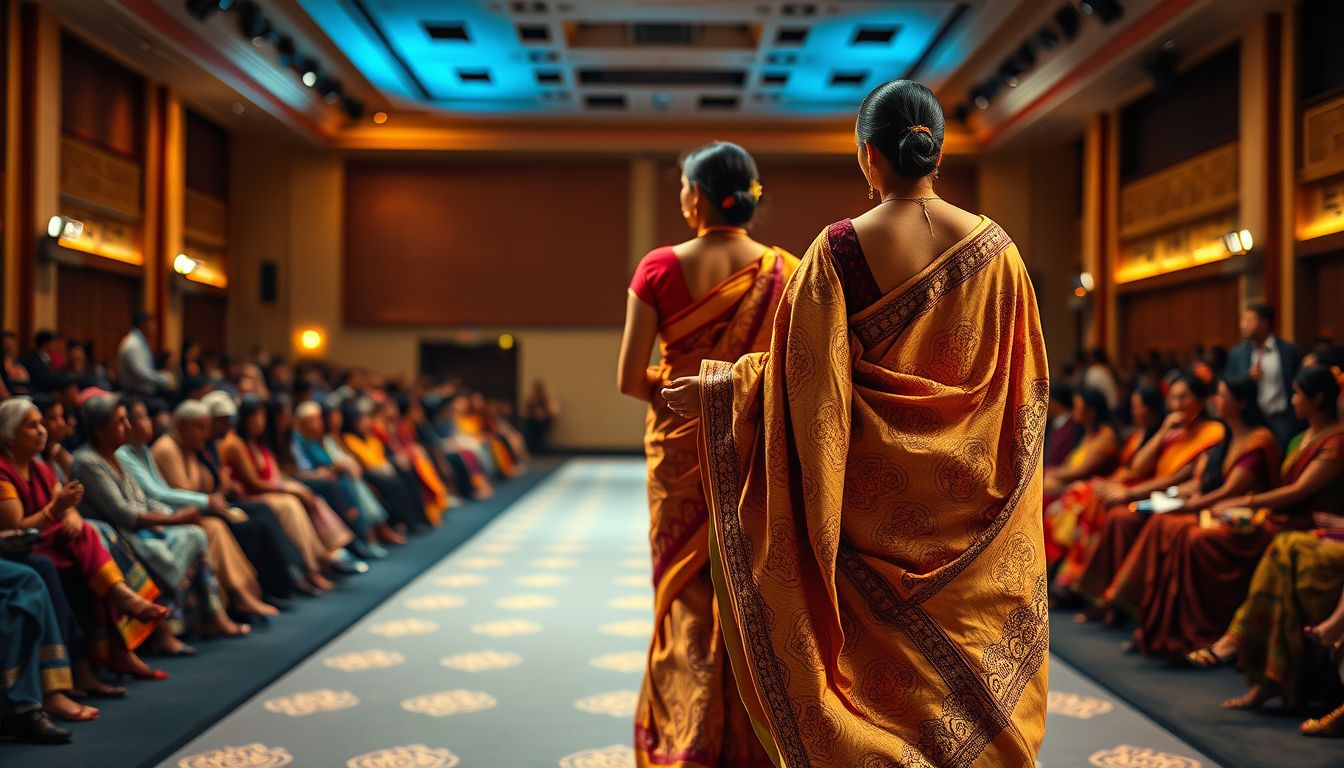
Nine surrendered women Maoists, seven of whom surrendered in Hyderabad, took to the ramp at a state-level weavers' conference held on August 7 in Raipur to mark National Handloom Day.
The women participated in a showcase featuring traditional handloom and Kosa silk dresses of Chhattisgarh. Eight of the participants hail from Sukma district and one from Bijapur. Over the past one-and-a-half years, seven of the women surrendered in Hyderabad in Telangana, one in Mulugu in Telangana, and one in Sukma in Chhattisgarh.
All nine women are currently undergoing rehabilitation at the Punarwas Kendra in Sukma, according to a government official. Ahead of the event, they underwent seven days of specialised training conducted by professional experts from Mumbai, who coached them in ramp walking, grooming, attire, and speaking confidently on the microphone.
Among the participants was 22-year-old Punem Jyoti of Elmagunda village in Sukma's Chintagufa area, who surrendered in Hyderabad in December last year. Speaking in a mix of Hindi and the local Gondi dialect, she shared that her life had transformed significantly after leaving the Maoist movement, adding that she had never envisioned taking part in such an event.
Another 28-year-old participant, who surrendered in Hyderabad in April and spoke on condition of anonymity, noted that she had never witnessed a fashion show during her years in the forests. She explained that having observed performances in the Maoists' cultural wing helped her grasp some nuances of stage performance. She expressed satisfaction with living a peaceful and dignified life away from violence.
Chhattisgarh Chief Minister Vishnu Deo Sai attended the event and interacted with the women. A government official stated that the administration is providing skill development opportunities to surrendered cadres as part of its ongoing rehabilitation measures, aiming to help them secure dignified livelihoods and become economically self-reliant.