Staff Shortage, Unpaid Salaries and Medicine Crunch Hit Hyderabad Basthi Dawakhanas
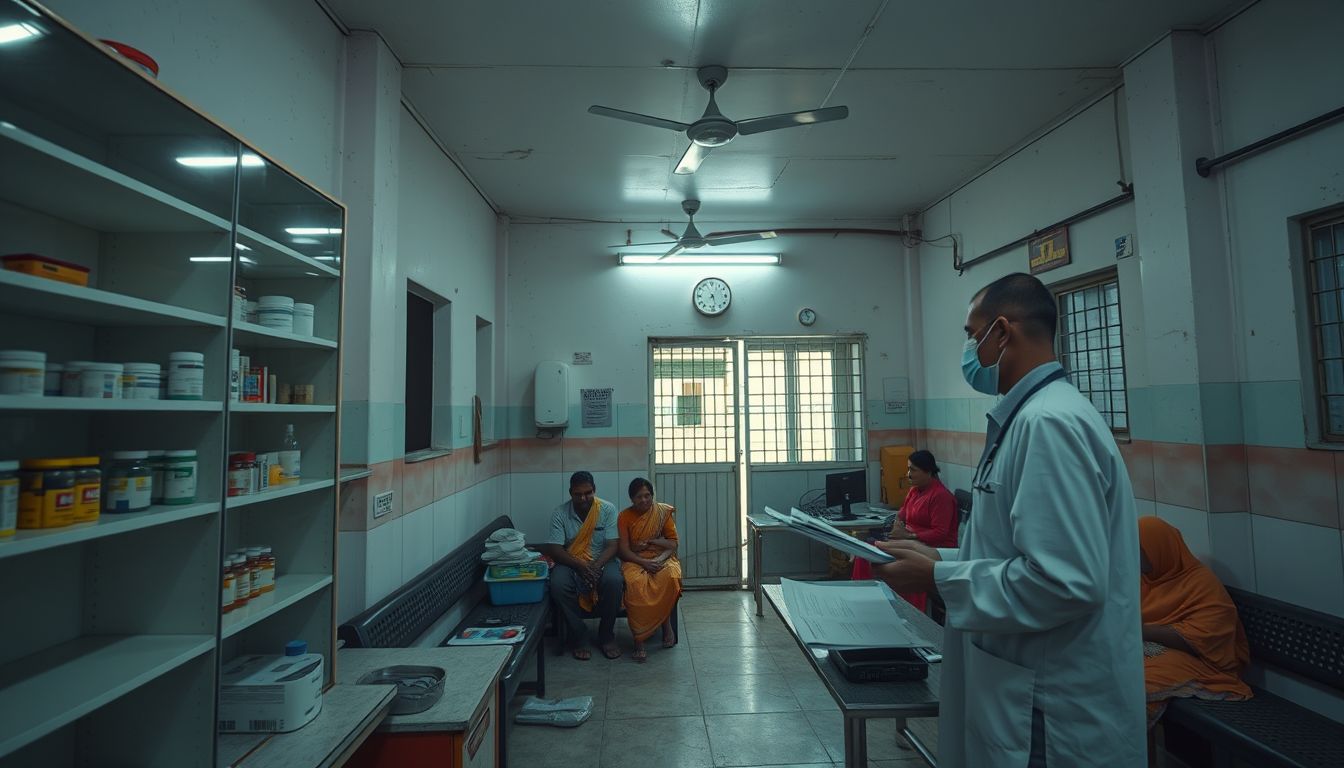
Basthi Dawakhanas across Hyderabad, including facilities in Dammaiguda-Nagaram and Moula Ali, are struggling with acute staff shortages, unpaid salaries, medicine deficits, and extended delays for diagnostic test results, severely impacting healthcare delivery for local residents.
Between 100 and 150 contract support staff across the Greater Hyderabad area have not received their monthly salaries of Rs 13,000 for the past three months. The prolonged payment delays have forced several low-income healthcare workers to take loans from private lenders to manage their daily expenses, even as authorities mandate daily online attendance.
Staffing constraints at local centres have left remaining workers overwhelmed. At a facility in the Dammaiguda-Nagaram area, a single support staff member was left to manage patient crowds alone while the medical officer was away for an official meeting and the duty nurse was on long leave.
Patients visiting the clinics are facing chronic shortages of critical supplies, particularly regular medications for high blood pressure and diabetes. While the clinics previously maintained broader stocks, staff report that supplies are now largely limited to basic treatments for fevers and colds. In Moula Ali, where one centre has nearly 10,000 registered diabetes and hypertension patients, doctors are frequently forced to direct visitors to private pharmacies to purchase their prescribed drugs.
Diagnostic services have also slowed considerably. Although test results were previously delivered to patients' mobile phones within a single day, processing for basic blood tests now takes three to four days. The extended wait times have forced many patients to either delay care or turn to expensive private diagnostic laboratories.
Operational systems have similarly degraded over the past year. While Basthi Dawakhanas originally operated using handheld digital devices and internet connectivity to record patient visits electronically, staff at several centres have returned to manually logging patient details in physical registers and notebooks.