Siddipet and Hanumakonda Hardest Hit as Telangana Faces 17 Percent Rainfall Deficit
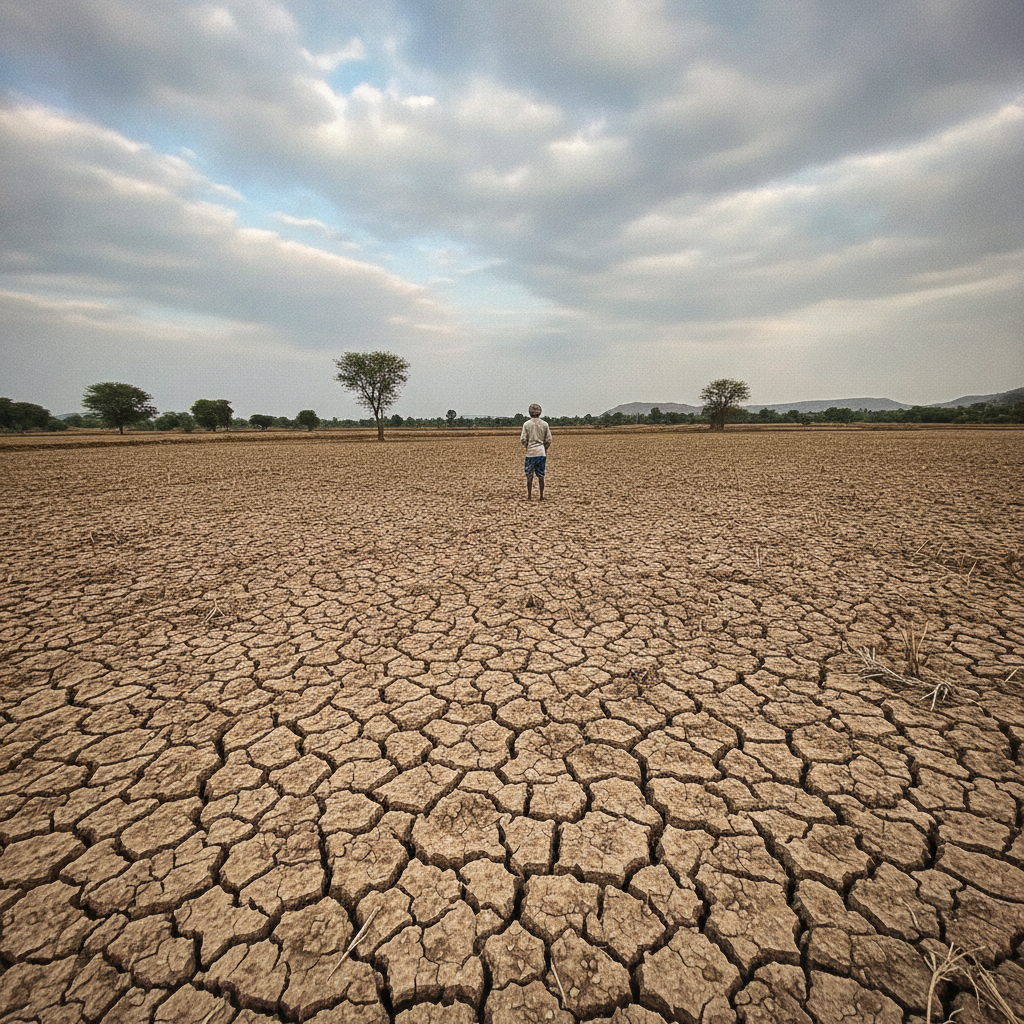
Telangana recorded a 17 percent rainfall deficit between June 1 and June 24, with the districts of Siddipet and Hanumakonda emerging as the worst affected. The lack of monsoon rain has raised significant concerns over Kharif crop sowing in the state's rain-fed agricultural regions.
According to the latest data from the Telangana State Planning Department, the state received 84.9 mm of rainfall during this period against the normal average of 101.7 mm. Seventeen out of the state's 33 districts have reported deficient or largely deficient rainfall, while only three recorded excess rainfall.
Hanumakonda and Siddipet slipped into the largely deficient category, recording deficits of 75 percent and 66 percent, respectively.
Another 15 districts have been classified as deficient. These include Warangal with a 58 percent deficit, Nizamabad at 57 percent, Mahabubabad at 53 percent, Jagtial at 51 percent, Jangaon at 48 percent, and Karimnagar and Rajanna Sircilla at 44 percent each.
Further deficits were recorded in Nirmal (42 percent), Adilabad (40 percent), Medak (37 percent), Yadadri Bhuvanagiri (34 percent), Medchal-Malkajgiri (29 percent), Jogulamba Gadwal and Kamareddy (27 percent each), and Mancherial (21 percent).
This dry spell is particularly critical as these districts form a major part of Telangana’s agricultural belt. Farmers typically begin sowing operations with the onset of the south-west monsoon, and prolonged dry spells can delay sowing and affect early crop establishment.
Conversely, Rangareddy, Nagarkurnool, and Nalgonda were the only districts to record excess rainfall, with surpluses of 57 percent, 31 percent, and 26 percent, respectively. Thirteen other districts recorded normal rainfall.
The Central Government has reviewed monsoon preparedness across the country, identifying nearly 40 percent of India's districts as vulnerable to low rainfall.
In response to the current dry conditions, Professor Aldas Janaiah, vice-chancellor of the state agricultural university, advised farmers in rain-fed conditions to opt for less water-intensive crops such as pulses. Weather expert Y Ramesh noted that weather conditions over the next fortnight will be crucial in determining the outcome of the Kharif season.