Revanth Reddy Government Marks 1,000 Days in Office in Telangana
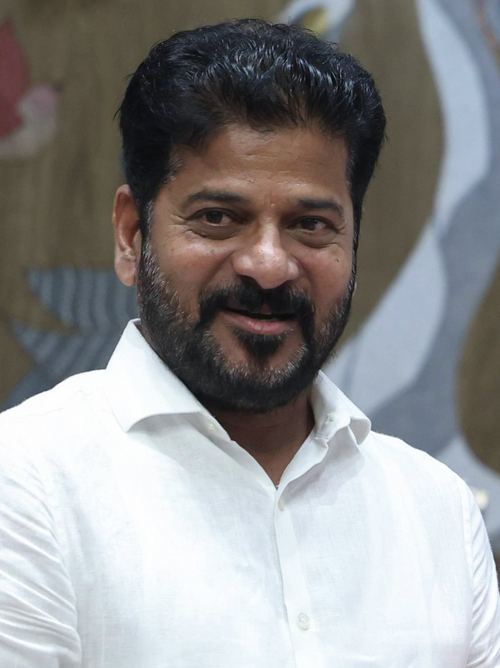
The Telangana government led by Chief Minister A Revanth Reddy reached the milestone of completing 1,000 days in office on September 1 in Hyderabad, highlighting key achievements across agriculture, public welfare, and economic growth.
According to official details, Telangana's per capita income increased to ₹4,18,931 in 2025-26, standing roughly 91 per cent above the national average. Over the past 32 months, the state administration spent approximately ₹1.68 lakh crore on agriculture and farmer welfare initiatives.
In the agriculture sector, the government implemented a farm loan waiver of up to ₹2 lakh, benefiting over 25 lakh farming families. Under the 'Rythu Bharosa' scheme, more than ₹36,000 crore in investment support was disbursed, including nearly ₹9,000 crore credited in a single nine-day phase. The state surpassed Punjab in paddy production and cultivation, procuring 81.12 lakh metric tonnes of grain during the last Yasangi season, alongside providing a ₹500 bonus per quintal for fine-variety paddy.
For women's welfare, over 335 crore free trips were recorded on RTC buses under the Mahalakshmi scheme, saving commuters an estimated ₹11,000 crore. Additionally, 43 lakh families received domestic LPG cylinders for ₹500, and over 53 lakh households received free electricity up to 200 units under the Gruha Jyothi scheme. Bank linkage loans worth ₹60,487 crore were also distributed to 4.54 lakh women's self-help groups.
On housing and social security, 4.50 lakh Indiramma houses were built in the first phase with ₹5 lakh financial assistance per family, and a plan was outlined to build one lakh multi-story housing units in Hyderabad. Over 15 lakh new ration cards were issued, and new pensions were sanctioned for 2.25 lakh individuals, taking the total pension beneficiaries in the state to over 43 lakh.
In policy and education reforms, the state implemented SC sub-categorisation for 59 sub-castes into three groups and passed legislative bills offering 42 per cent reservation for Backward Classes in education, employment, and politics. The state also sanctioned 105 'Young India Integrated Residential Schools' across assembly constituencies.