Rare 9th-Century Parshvanatha Jain Sculpture Found in Chand Village of Adilabad
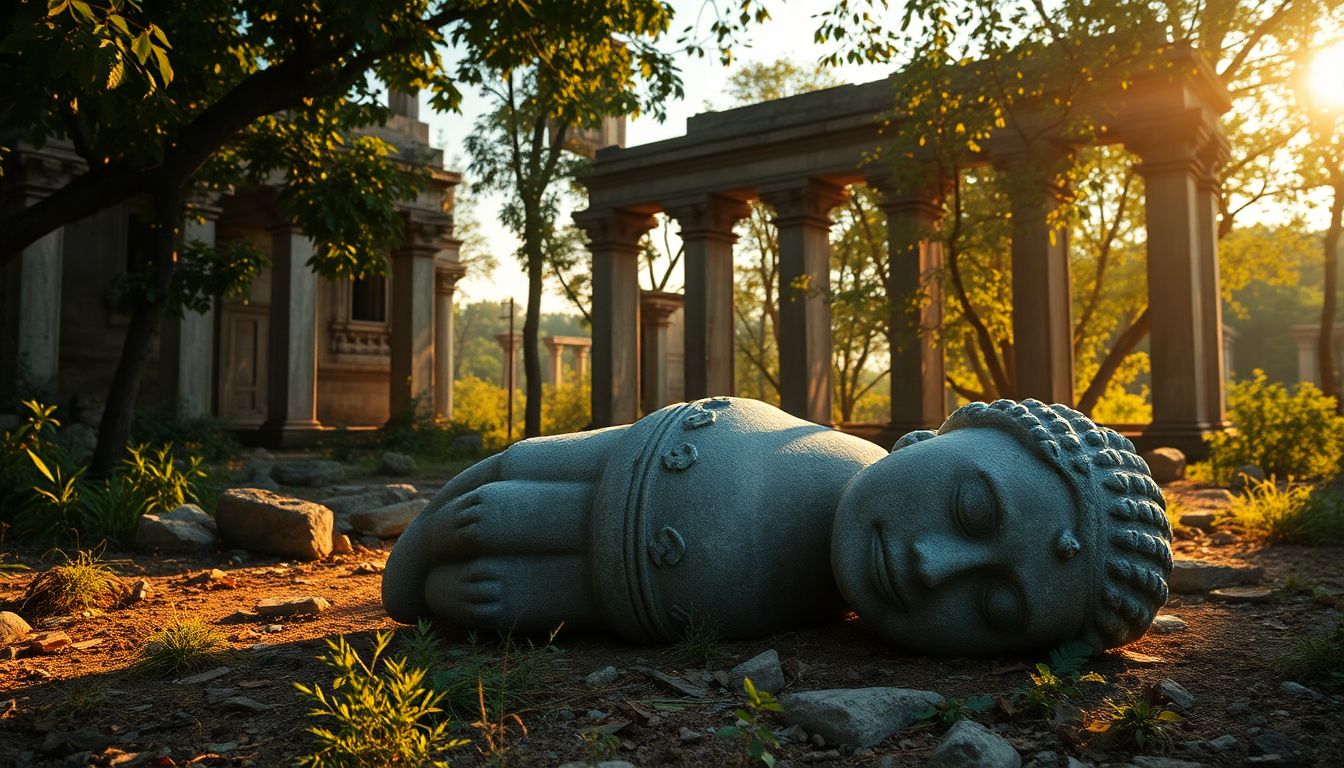
A rare, headless ninth-century Parshvanatha Jain sculpture with unique iconographic features has been identified among dilapidated ruins in Chand village of Adilabad district. The discovery, reported on July 16, 2026, was made by researchers from the Kotha Telangana Charitrabrundam. Archaeological experts have classified the artifact as the first of its kind ever found in Telangana, representing a major discovery for the region's Jain heritage.
The historical artifact was identified by Prithviraj Roddawar, a research member of the Kotha Telangana Charitrabrundam, along with his associates Sai Raj Kamble and Katturi Subhash. The team found the sculpture among numerous broken figures lying in a dilapidated condition within Chand village.
According to the researchers, the sculpture is headless and depicts the figure seated in the ardha-padmasana, or half-lotus, posture. A serpent is carved coiling around the back of the figure. On either side of the main deity, two Tirthankaras are depicted in the standing kayotsarga posture. The pedestal of the sculpture features a carved Dharmachakra, or wheel of dharma, positioned between two lions.
Sriramoju Haragopal, the Convener of Kotha Telangana Charitrabrundam, confirmed that the Parshvanatha sculpture belongs to the ninth century. Haragopal compared its unique iconographic features to similar Parshvanatha sculptures previously discovered in Rajgir, Bihar, and in Erandol, located in the East Khandesh district of Maharashtra.
Dr. Emani Siva Nagireddy, a sculptor and the CEO of the Pleach India Foundation, also verified the uniqueness of the artifact. He stated that a sculpture of this specific style and iconography has never been found anywhere else in Telangana before, highlighting its extreme rarity.
In addition to the Parshvanatha sculpture, another broken sculpture was found in Chand village. This second piece depicts an elephant performing abhisheka, or a ceremonial bath, on the upper left side, with three Jain Tirthankaras carved in two rows below it.