New Transgender Amendment Act Disrupts Healthcare and Corporate Pride in Hyderabad
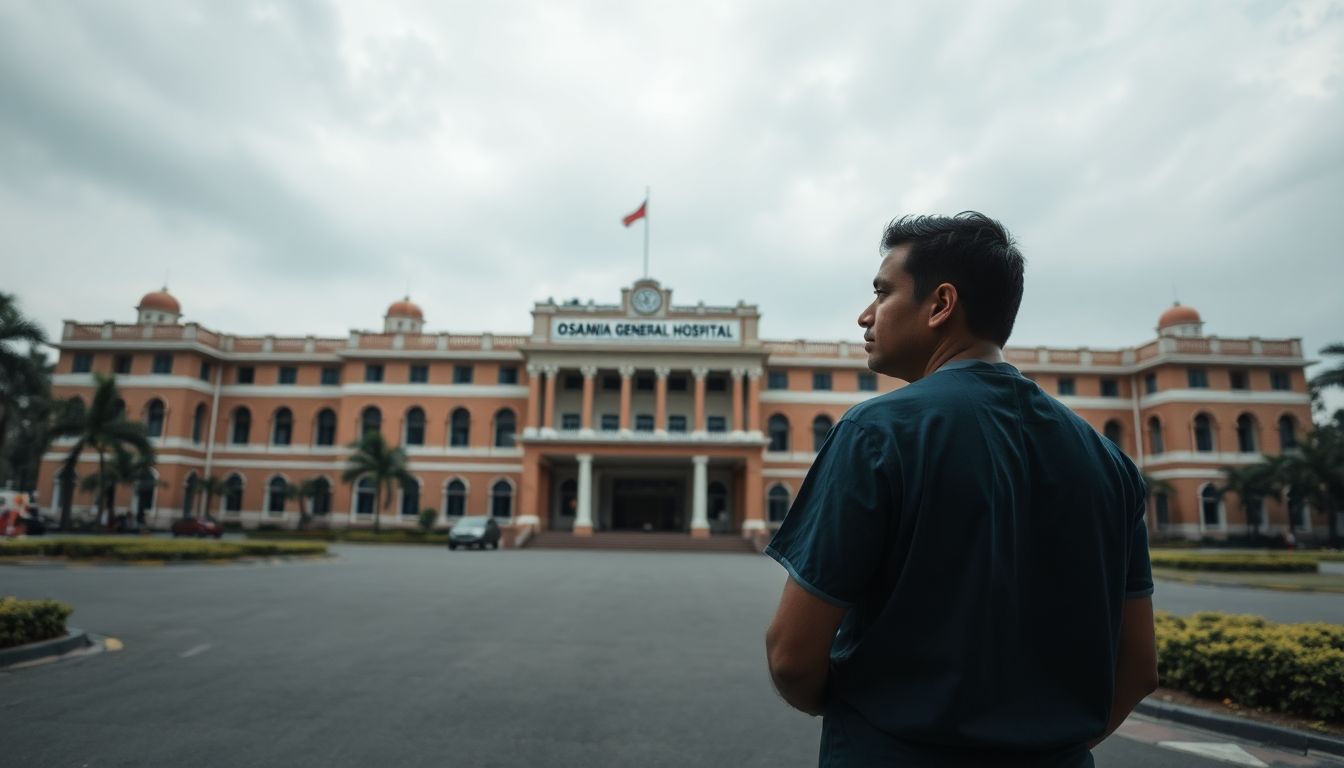
The implementation of the Transgender Persons (Protection of Rights) Amendment Act, 2026 has cast a shadow over corporate Pride initiatives and disrupted healthcare access for transgender individuals in Hyderabad. Following the conclusion of Pride Month in June, local activists and medical professionals at institutions like Osmania General Hospital reported rising legal fears among doctors and a scale-back in corporate inclusivity programs.
The new law has significantly impacted medical care in the city. Some doctors are hesitating to provide gender-affirming care due to fears of legal repercussions, causing anti-trans rhetoric to reach basic healthcare levels. Providers have also begun demanding more documentation, such as psychological certificates, before offering treatment, leading to a longer process for patients.
Dr. Prachi Rathod, a transgender doctor and medical officer at Osmania General Hospital, confirmed that the hospital's transgender clinic continues to treat patients under the law but noted the negative impacts. Dr. Rathod stated that doctors are now strictly following the Act and treating only those who meet its eligibility rules, disapproving of the restrictive nature of the amendment.
Beyond healthcare, the legal changes have altered corporate Pride programs in Hyderabad. Patruni Chidananda Sastry, a gender-fluid drag artist and founder of DragVanti, observed that companies reduced their Pride events this year. Sastry noted that some organizations limited their panels and performances to lesbian, gay, and bisexual individuals, excluding transgender people due to fears of employee complaints.
According to Sastry, local community groups have been flooded with distress calls, particularly from transgender individuals in rural areas panicking about the future. The uncertainty has also affected grassroots community support, which often steps in to resolve housing crises when landlords refuse to rent to queer individuals.
In contrast to these challenges, some state-supported livelihood opportunities have remained stable. Dr. Rathod pointed to transgender traffic volunteers and jobs linked to HYDRAA and the Metro as positive examples of Telangana government initiatives, urging the state to recruit more people to reduce dependence on unsafe livelihoods.