N. Ram Calls for Media Self-Regulation and Literacy at Hyderabad Press Conclave
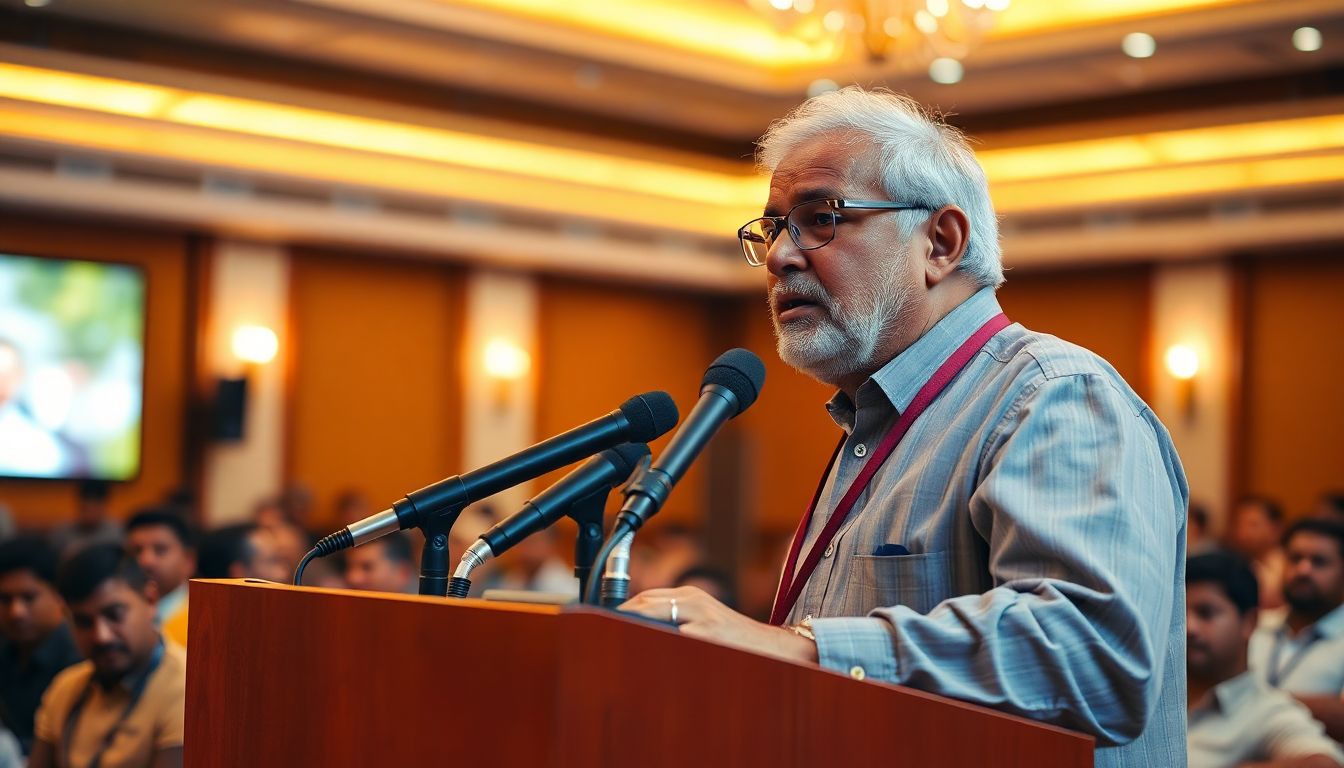
Eminent journalist and Director of The Hindu Group, N. Ram, called for a return to fundamental journalistic practices and the introduction of media literacy in schools during the National Conclave of the Federation of Press Clubs in Hyderabad on Sunday.
Speaking at a panel discussion, Ram emphasised that ground reporting, investigative journalism, long-form writing, and explanatory reporting are essential for media organisations to regain public trust. He noted that media literacy should be integrated into school curricula at the middle or secondary level to help students critically evaluate news and information.
Ram stressed the need for transparent codes of conduct backed by parliamentary legislation, independent self-regulation, and the appointment of news ombudsmen. He stated that self-regulatory bodies should consist of journalists and respected media figures rather than serving editors or proprietors.
Addressing the digital landscape, Ram stated that the growth of digital platforms and YouTube channels would not replace conventional reporting practices. Instead, he noted that investigative reporting, data analysis, and explanatory journalism remain strong pillars that can reinforce print media credibility. He also expressed concern regarding media ownership influences and advocated for reader-funded journalism, pointing to platforms like Alt News and The Wire as examples.
Alt News co-founder and editor Pratik Sinha also spoke on the panel, emphasising the need for sustainable economic models and the adoption of open-source software, while advising against over-reliance on major tech firms. Sinha suggested helping audiences understand the value of print journalism through digital video formats and analytical breakdowns of news.
Syeda Faiza, Digital Desk Editor of The Siasat Daily, highlighted the ongoing importance of print media in delivering accurate, in-depth reporting. The session, moderated by Uma Sudhir, also addressed challenges including the spread of disinformation by political and communal entities, low wages for media professionals, and the high cost of media education.