Musi Rejuvenation Meets Land Acquisition Resistance in Hyderabad Mandals
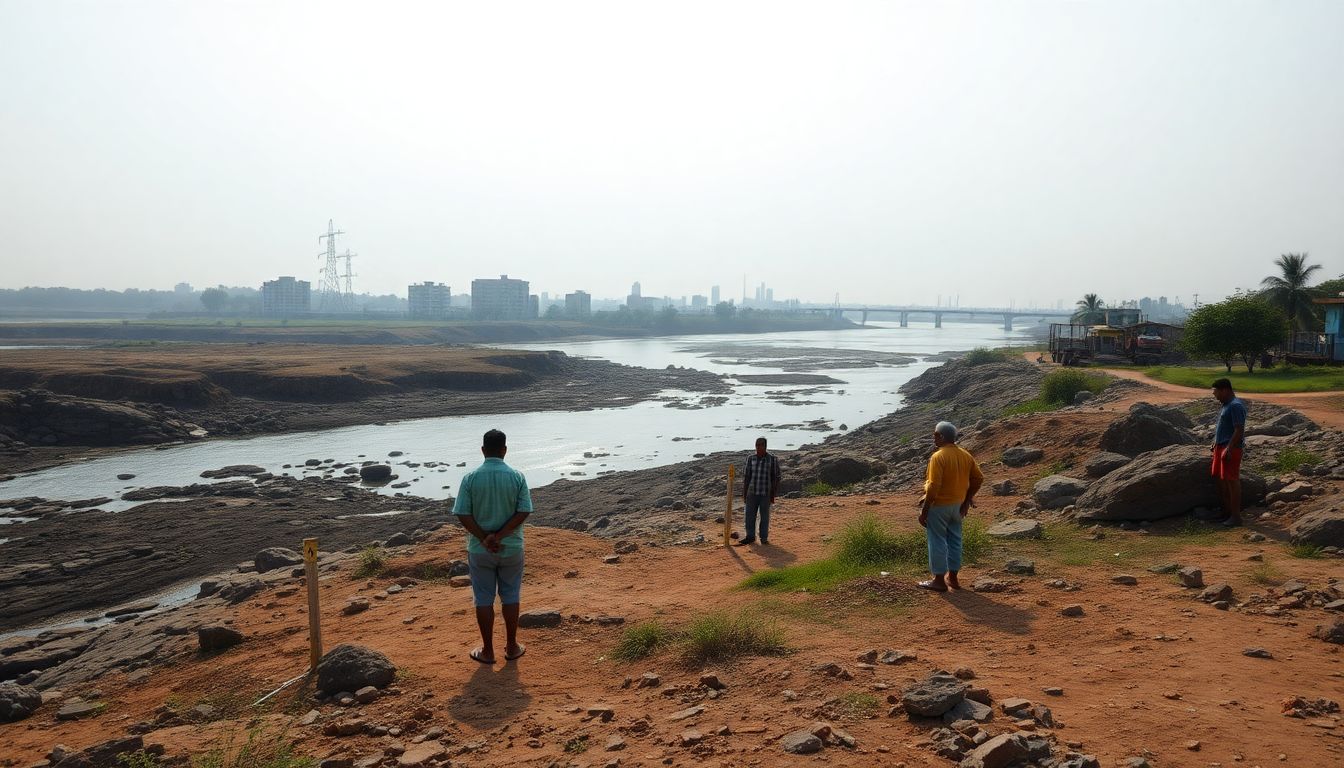
Property owners across Gandipet, Narsingi, and Golconda mandals have raised strong objections against land acquisition notices issued by the Revenue Department for the first phase of the Musi river rejuvenation project in Hyderabad. Many affected owners are opposing the State government's compensation proposals, creating hurdles for the execution of the initiative.
The first phase of the rejuvenation project involves development works along a 21-kilometre stretch from Osmansagar and Himayatsagar to Bapu Ghat. As part of this stretch, the government has already issued a land acquisition notification and announced plans for the Gandhi Sarovar project at Triveni Sangamam.
Execution of the first phase requires taking over properties belonging to nearly 500 owners, covering approximately 120 acres. Separately, the Ministry of Defence agreed to part with 80 acres of its land located at Langer Houz to facilitate the riverfront development.
However, officials are encountering widespread resistance from private property holders and farmers who are unwilling to part with their land under the current terms. Many affected individuals have formally submitted their objections to revenue authorities.
A primary point of friction is the government's push for Transferable Development Rights (TDRs), a mechanism intended to reduce the financial burden of direct land acquisition. While some property owners are open to the option, many have rejected TDRs and demanded direct cash compensation equivalent to four times the registration value of their assets.
A majority of the affected property owners have asked the government for ready-to-occupy residential flats in return for their land. Others have demanded open plots where they can construct three-bedroom houses. Last month, residents of the Madhu Park Ridge apartments met with Deputy Chief Minister Mallu Bhatti Vikramarka to discuss their specific concerns regarding the proposed acquisition.
The diverse demands from property owners have left revenue and project officials facing complex negotiations on the ground. Although the State government is seeking to speed up the land clearance process to float tenders for the first phase, ground-level resistance remains a major bottleneck.