MEA Denies Clearance for Telangana CM Revanth Reddy's Planned US Visit
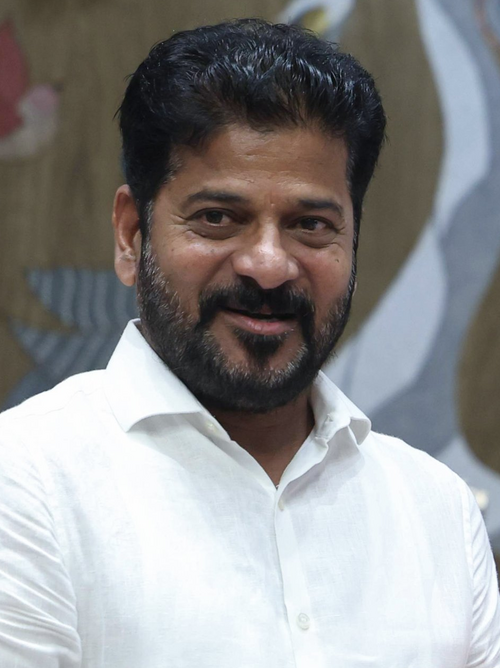
The Ministry of External Affairs (MEA) has denied political clearance to Telangana Chief Minister A Revanth Reddy for his scheduled visit to the United States. Following the decision, Reddy will return to Hyderabad on August 30, while a delegation of state government officials has been directed to proceed to America as planned to complete scheduled partnership agreements.
Reddy, who travelled to London on a cleared tour ending August 23, had intended to visit the United States immediately after to pursue academic partnerships and attend diaspora events. The MEA stated that clearance was withheld because the proposed itinerary in the US did not meet the department's criteria for official visits by chief ministers.
MEA spokesperson Randhir Jaiswal said on Friday that the ministry assesses the visits of chief ministers and other dignitaries to accord political clearance. He noted that the programme proposed in such cases should be appropriate to the office held and the purpose of the visit, adding that this was not so in respect of the US, though the UK leg had received approval.
Responding to the decision, Reddy stated that the objective of his US tour was to attract leading global institutions to India and Telangana, specifically Hyderabad, in alignment with the Centre's New Education Policy. He remarked that the initiatives aimed to provide youth with access to top Ivy League and global institutions, adding that nation-building and youth development should rise above politics.
According to the Chief Minister's Office, state officials have been instructed to proceed to the US to finalise planned Memorandums of Understanding (MoUs) and partnerships with institutions including Harvard University, the Massachusetts Institute of Technology, Northeastern University, and Virginia Tech.
The Indian Overseas Congress (IOC) USA Telangana Chapter issued a statement expressing deep disappointment over the Central Government's decision. IOC-USA Vice-Chairman George Abraham questioned the move, noting that official delegations from other states had received clearance, and urged that educational and developmental initiatives remain free from partisan friction.