Kawal Tiger Reserve Records Zero Resident Tigers for 13th Consecutive Year
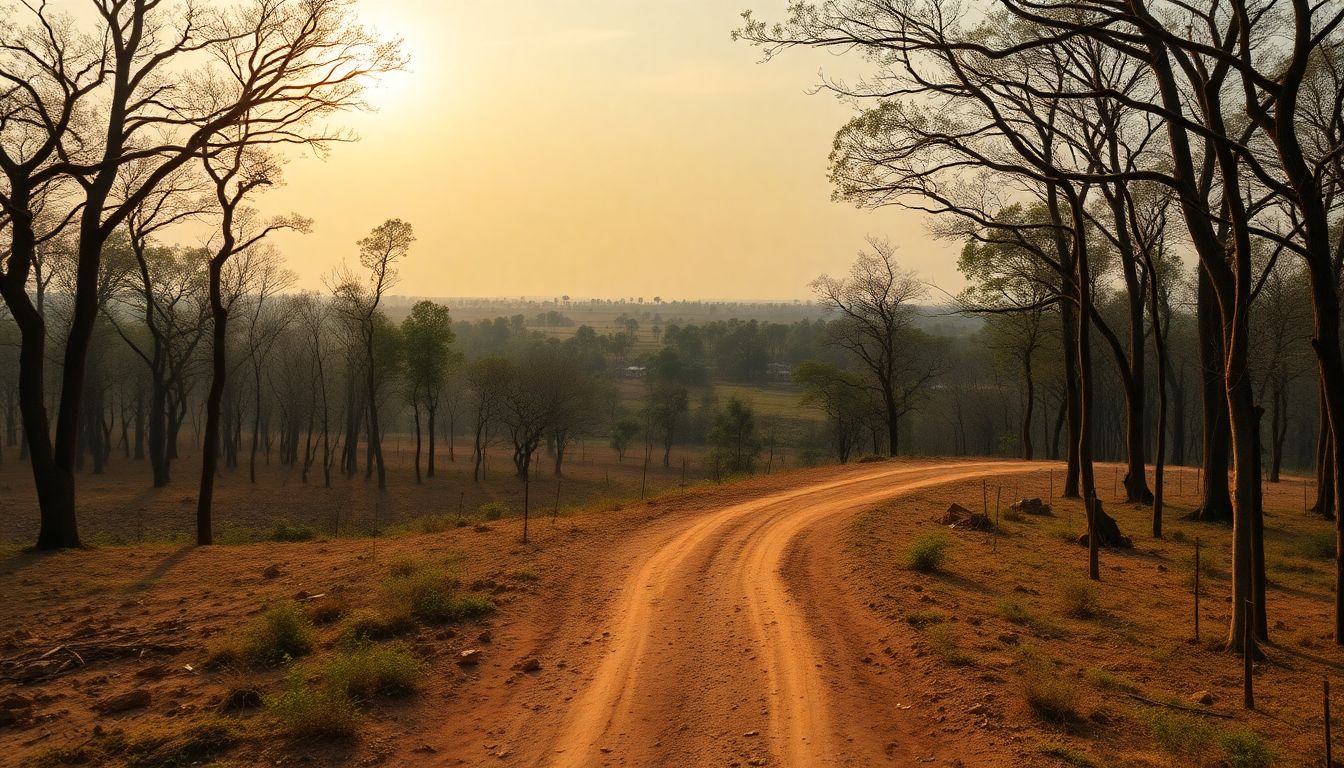
The Kawal Tiger Reserve in Telangana has recorded zero resident tigers during the 2026 All India Tiger Estimation exercise, marking the 13th consecutive year without a single resident big cat in the reserve. While three tigers were spotted in the nearby fragmented corridor forests of KB Asifabad and Mancherial districts, the reserve itself has remained completely devoid of resident tigers since the 2013-14 period.
According to Telangana forest officials, the primary obstacle to tiger conservation in the reserve is massive land encroachment. Out of the reserve's total area of 2,015.44 square kilometres, approximately 1,626 square kilometres are currently occupied. This includes more than 1,50,000 acres under illegal encroachment and another 2,52,000 acres under podu cultivation, leaving a mere 389 square kilometres of relatively undisturbed forest for wildlife.
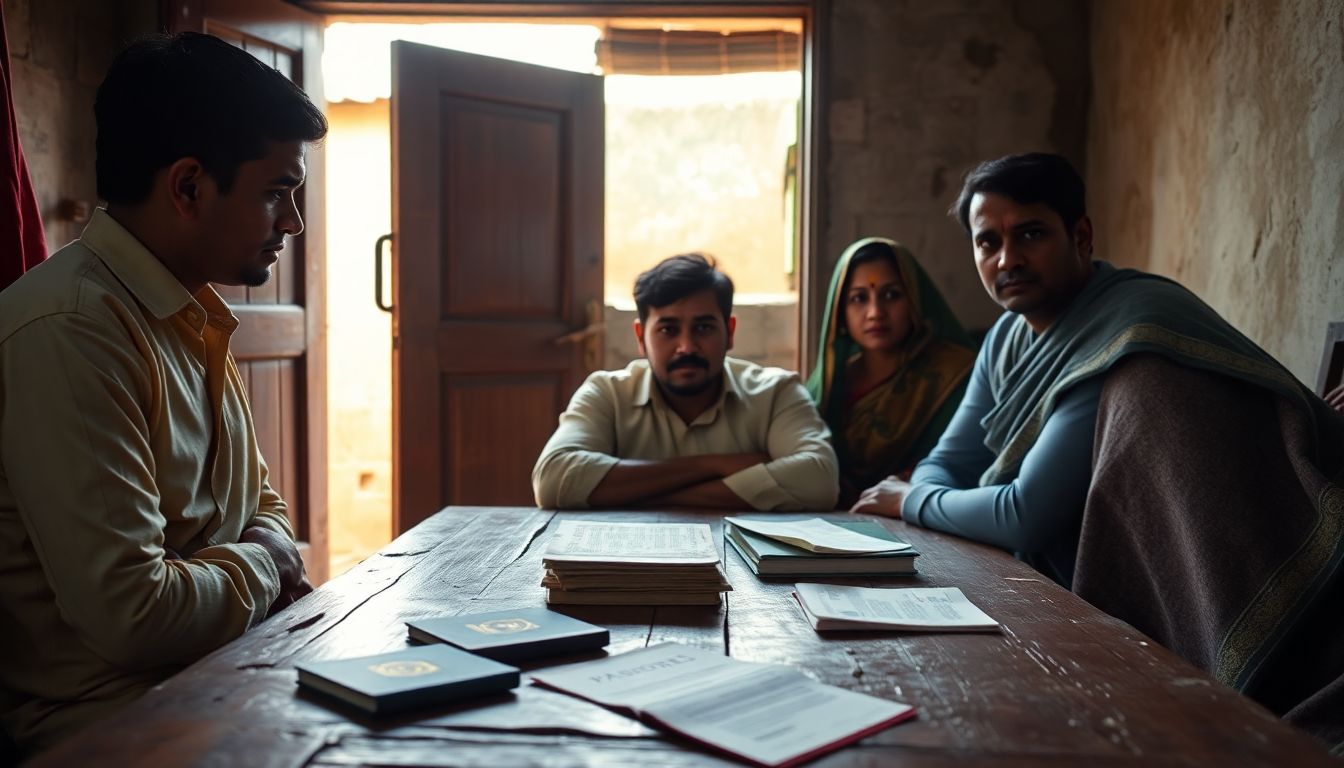
Officials stated that there are at least 200 illegal habitations in the core and buffer areas of the reserve, which covers parts of Nirmal, Adilabad, Mancherial, and KB Asifabad districts. In many of these villages, families have encroached on 40 to 50 acres of forest land. Forest department sources revealed that officials face intense pressure from political leaders across all parties to avoid taking action against these illegal encroachments and expanding podu activities.
This encroachment has directly threatened local wildlife. While prey animal populations have risen due to grassland and water development efforts, herbivores near the 200 illegal habitations remain under threat. Villagers frequently use live electric wire traps to hunt wildlife, making conservation efforts extremely difficult.
According to scientific assessments, the Kawal reserve has the capacity to comfortably hold 100 to 102 tigers. Officials noted that restoring the reserve could significantly boost ecotourism, pointing to Maharashtra's Tadoba tiger reserve, which generates over Rs 50 crore annually for its local population.
However, a senior National Tiger Conservation Authority (NTCA) official stated that the state government is not backing its forest department in protecting the reserve. The official noted that while there have been plans to translocate tigers from Maharashtra and Madhya Pradesh, these plans will remain on paper until the environment is made conducive. The challenges facing Kawal were also discussed at a national workshop on tiger reintroduction held in Alwar, Rajasthan, on June 28 and 29.