Kaleshwaram barrages to operate only after NDSA and CWC clearance
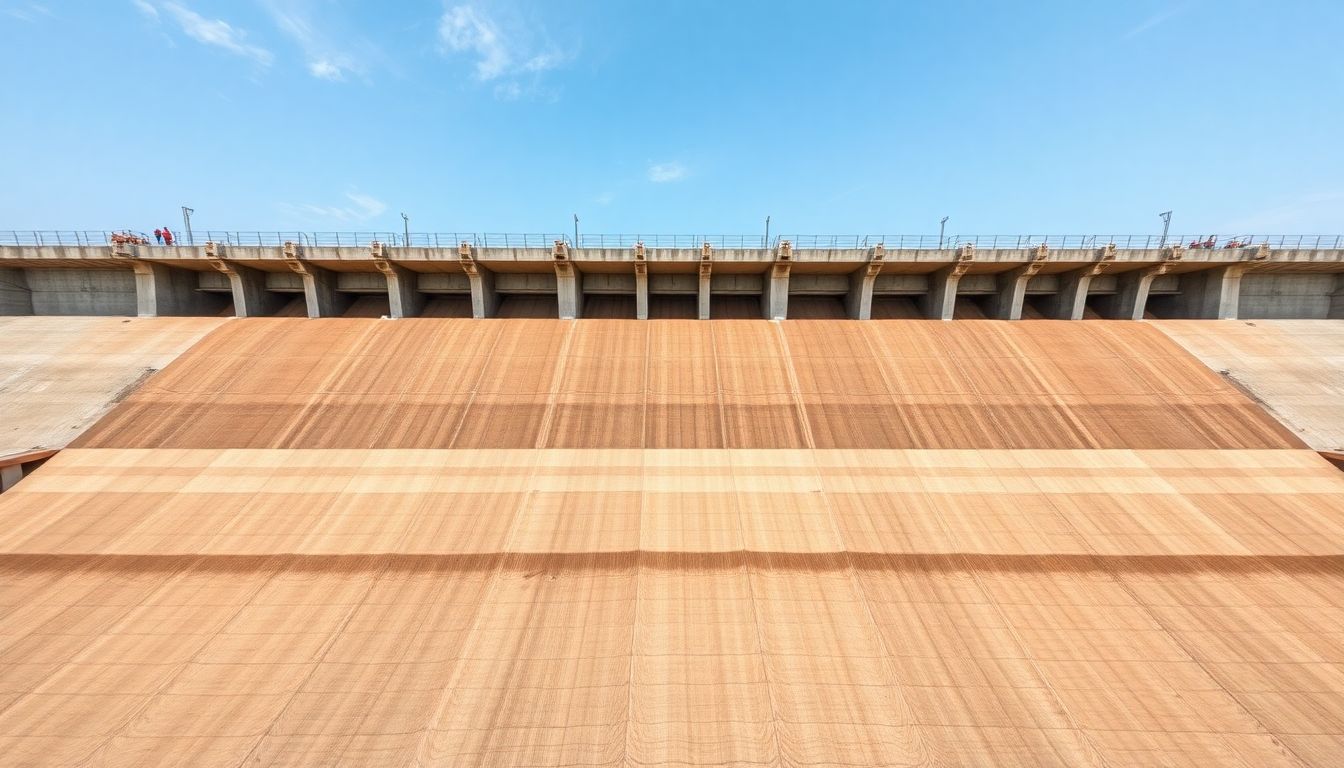
The Telangana state government has announced that the Medigadda, Sundilla, and Annaram barrages, which form key components of the Kaleshwaram Lift Irrigation Scheme (KLIS), will only be operated once full rehabilitation works are completed and cleared by federal safety bodies. Irrigation Minister N Uttam Kumar Reddy made this declaration during a media address at Vijay Vihar near the Nagarjuna Sagar dam, where he had been reviewing ongoing irrigation works alongside senior project engineers.
According to Minister Reddy, the state government is committed to a policy of non-compromise regarding the safety of major irrigation projects. He emphasized that the administration's primary focus remains the safety, long-term sustainability, and protection of valuable public assets. Consequently, the three barrages will not return to active service until they receive formal clearance from both the National Dam Safety Authority (NDSA) and the Central Water Commission (CWC).
The minister highlighted the massive financial investment involved, noting that the Kaleshwaram barrages were constructed utilizing public funds totaling ₹1.10 lakh crore. He explained that operating the structures without first executing the required repairs would present a severe risk to human life and heritage. Specifically, around 40 local villages, alongside the historic temple town of Bhadrachalam and its famous shrine, could be placed in jeopardy if the barrages were operated prematurely.
To prevent any potential disasters, the government has implemented a highly scientific methodology to rehabilitate the damaged barrages. Minister Reddy informed the media that multiple diagnostic steps have already been taken to properly understand the condition of the structures.
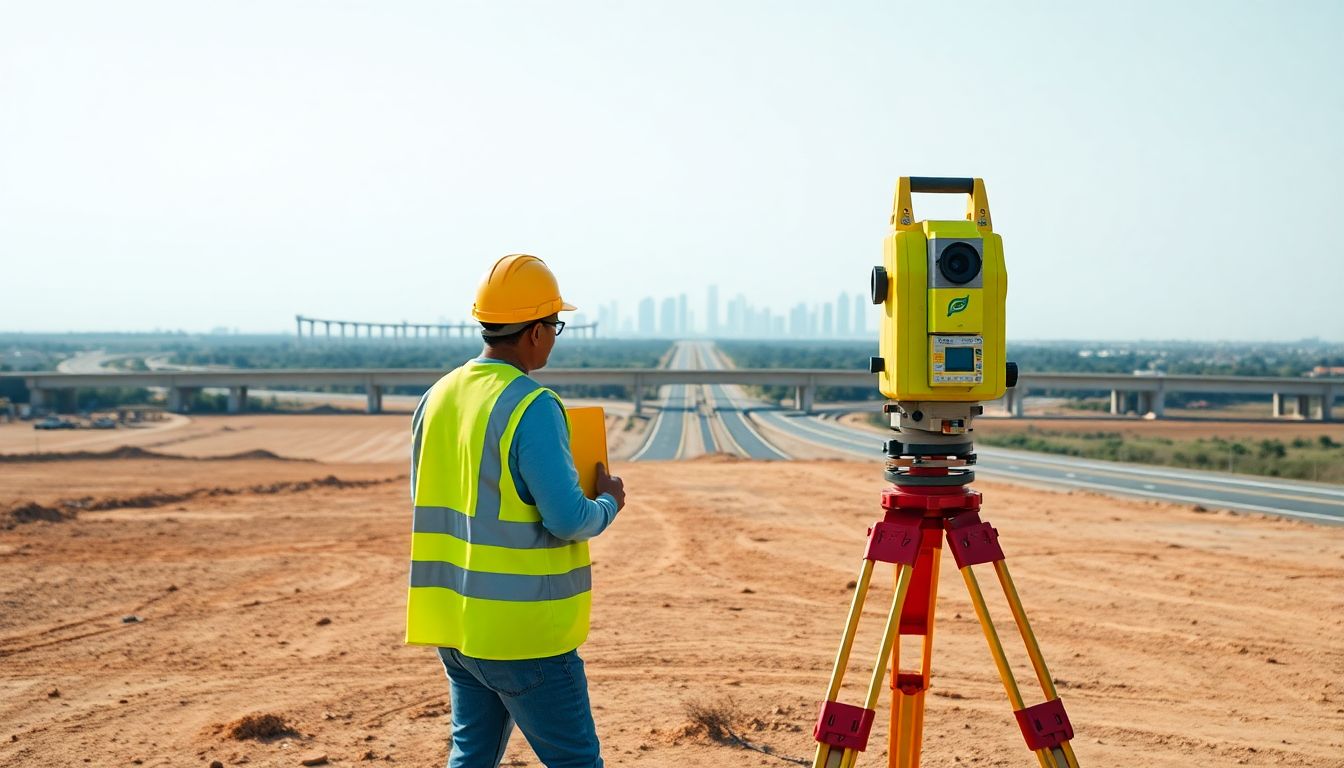
These diagnostic efforts include conducting fresh geotechnical investigations, carrying out non-destructive testing, performing ground-penetrating radar surveys, and executing drone-based studies. Furthermore, technical teams have undertaken the drilling of more than 100 boreholes to carefully assess the internal and external condition of the irrigation structures.