Indonesian Delegation Studies Dryland Farming at Beforest Hyderabad Collective
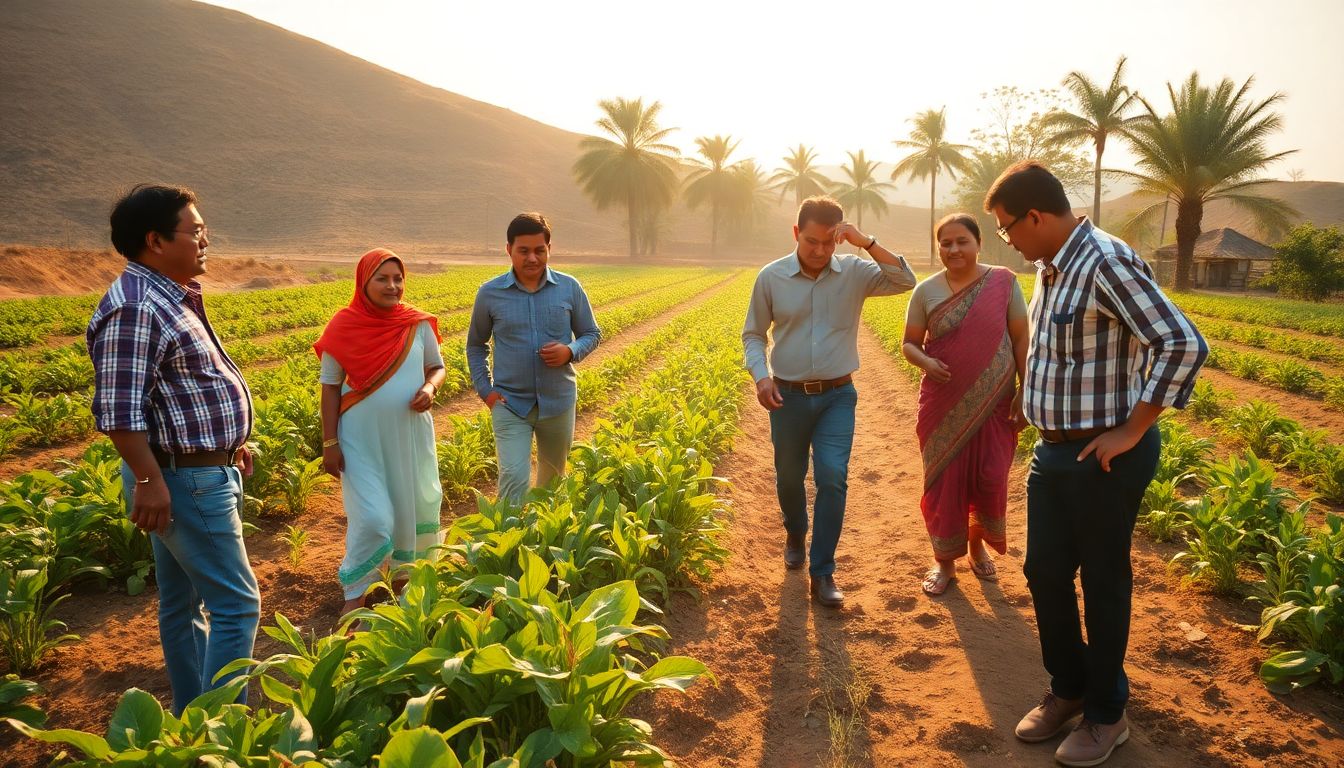
A senior academic delegation from Indonesia visited Beforest’s Hyderabad Collective on Thursday to study dryland agriculture and permaculture practices. The visit, titled “Lessons Learned on Agricultural Alternatives,” aimed to gather insights that can be adapted and replicated in Indonesia.
The delegation comprised faculty members from IPB University and the Indonesian Defence University. The visitors focused on advancing agricultural practices suited to dryland conditions, identifying three locations in Indonesia with similar climate, soil, and dryland conditions—including karst ecosystems—where the gathered insights will be applied.
Dr. Nadya Farah, a lecturer in the Biology Study Program at the Faculty of Military Mathematics and Natural Sciences at the Indonesian Defence University (Unhan RI), noted that the climate and soil conditions are similar to those in Indonesia, making the replication of these techniques, including approaches for karst ecosystems, highly viable.
Prof. Apt. I Ketut Adnyana, Director of Research and Community Service at the Directorate General of Research and Development under the Ministry of Higher Education, Science, and Technology, stated that the purpose of the visit was to gather information to bring back to Indonesia for further discussions.
Beforest’s Hyderabad Collective is a 132-acre landscape that offered the delegation an immersive, field-based experience of how degraded dryland can be regenerated through permaculture.
Between 2022 and 2025, monitoring at the site through satellite-based geospatial analysis and on-ground surveys showed a rise in lake capacity from 4.6 million litres to 39 million litres, representing an increase of roughly 750%. The surveys were conducted by Beforest alongside volunteers and experts.
Biodiversity surveys at the collective also recorded bird diversity increasing from approximately 65 to 130 species, butterfly diversity rising by nearly 48%, and odonate populations nearly doubling, indicating improving riparian and water-linked ecosystem health. The collective currently grows native varieties of rice, vegetables, seasonal fruits, and crops like turmeric and chilli.