HYDRAA Demolition Drive Saves Ancient Megalithic Cairns in Hasmatpet
On Saturday morning, a demolition drive conducted by the Hyderabad Disaster Response and Asset Protection Agency (HYDRAA) in the Hasmatpet area of eastern Hyderabad saved one of the city's last remaining Megalithic Cairns from neglect and potential destruction. The action cleared illegal structures surrounding the ancient Iron Age cist burial site, which dates back to between 2000 and 1000 BCE.
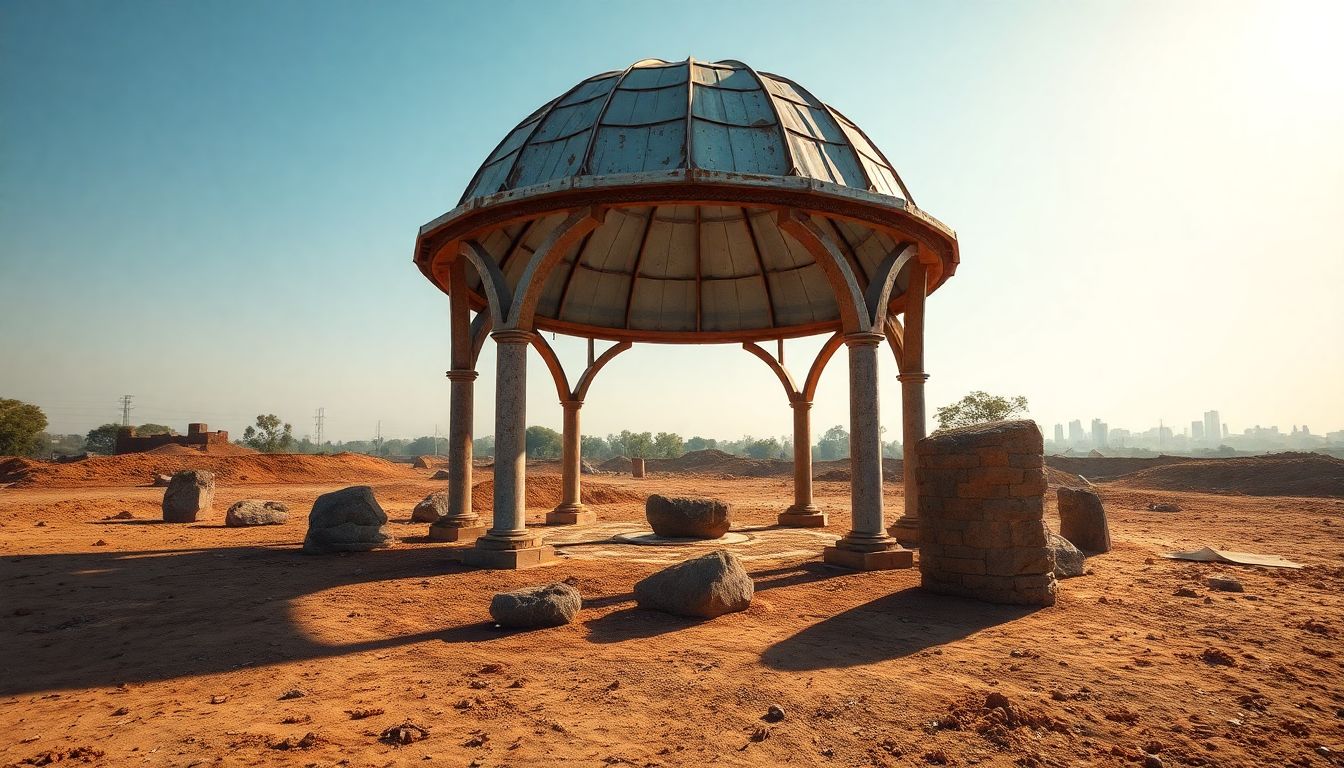
The historical monument is marked by large stones arranged in a pattern and is covered by a 45-foot tin gazebo. The gazebo was originally erected under the direction of the former director of the Nizam’s Archaeology department to protect the burial pit.
Despite its historical significance, the ancient site had fallen into neglect. As earthmovers levelled the surrounding land during the drive, the burial pit lay partially covered with garbage, including a discarded bed. Revenue Department officials at the scene claimed they were ignorant of the protected status of the megalithic monument.
The site is highly valued by archaeologists. K.P. Rao, an honorary professor at the University of Hyderabad, noted that the Hashmathpet Cairns contain well-preserved pottery, iron tools, weapons, and writing samples. Past excavations of the site, specifically Cairn-1, also yielded a rare brass lid and a broken ferrule.
While the monument was listed under the 2017 Telangana Heritage (protection) Preservation, Conservation and Maintenance Act, no active protection measures had been established until now. For years, the Archaeology Department and Revenue Department were unable to gain control of the area.
Following the demolition drive, HYDRAA announced it had secured 10 acres of government land in Survey No 1 of Balanagar mandal by clearing encroachments. The agency has erected fencing to prevent further illegal operations on the land, which officials estimate has a market value of around ₹750 crore. The reclaimed land is part of a larger 108-acre tract, of which nearly 98 acres had already been encroached upon and divided into small yards for housing.