Hyderabad Government Schools Depend on NGOs for Menstrual Hygiene Supplies
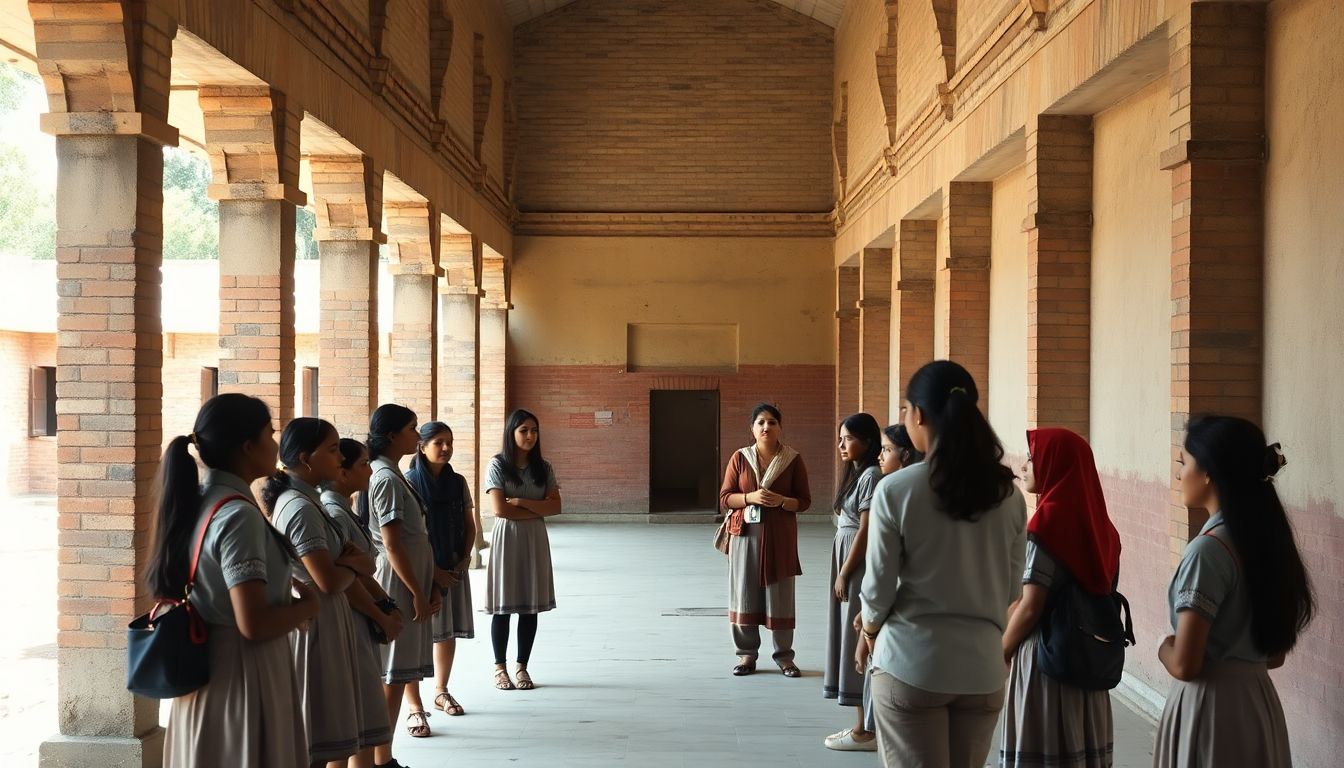
Government schools across Hyderabad, including institutions in Khairatabad and Malakpet, continue to depend on non-governmental organisations and corporate social responsibility initiatives to provide sanitary napkins and menstrual hygiene awareness. Inconsistent supplies and inadequate infrastructure have left female students dealing with discomfort and social stigma, resulting in missed classes and interrupted education.
At a government high school in Khairatabad, sanitary napkins have reached students through external support, but educators noted that such assistance is far from uniform across government institutions. A student at a government high school in Malakpet stated that students received packets only once every two months, adding that most students did not know how to use them until an awareness session was conducted recently.
Beyond supply shortages, schools face major deficits in basic sanitation facilities. Teachers reported that several campuses lack clean, functional washrooms, while prevailing stigma prevents girls from speaking openly about their difficulties. Thanvi Shree, a postgraduate in hospital management who volunteers in menstrual hygiene awareness, observed that significant stigma persists within the city itself. She noted that girls encounter uncomfortable looks when speaking about menstrual hygiene, adding that several students admitted they felt uncomfortable using the hygiene kits they received.
Due to the lack of regular government provisions, school staff members often shoulder the responsibility of finding donors. R. Sharada, a headmistress in Sangareddy, said teachers and headmasters frequently contact corporate social responsibility groups directly to seek assistance. She stressed that school administrations must actively encourage students to maintain menstrual hygiene, attend classes, and communicate their concerns. Another teacher noted that while science faculty organise awareness sessions, the schools remain reliant on NGOs because government supplies do not arrive on a regular basis.
Poorly maintained toilets and inadequate cleanliness continue to discourage girls from using school facilities during menstruation. By contrast, private school managements provide sanitary napkins directly, and parents are summoned to take students home if they feel unwell.
The deficits have drawn scrutiny from the Supreme Court, which cautioned states and Union Territories that their chief secretaries could face contempt notices if they fail to report on measures taken to provide menstrual hygiene facilities in schools. With the next hearing scheduled for December 14, the court's intervention has placed renewed attention on whether functional toilets, safe disposal systems, and regular sanitary supplies will reach students.