HMWSSB tests Japanese Bio-Lace technology to clean Sanath Nagar sewage plant
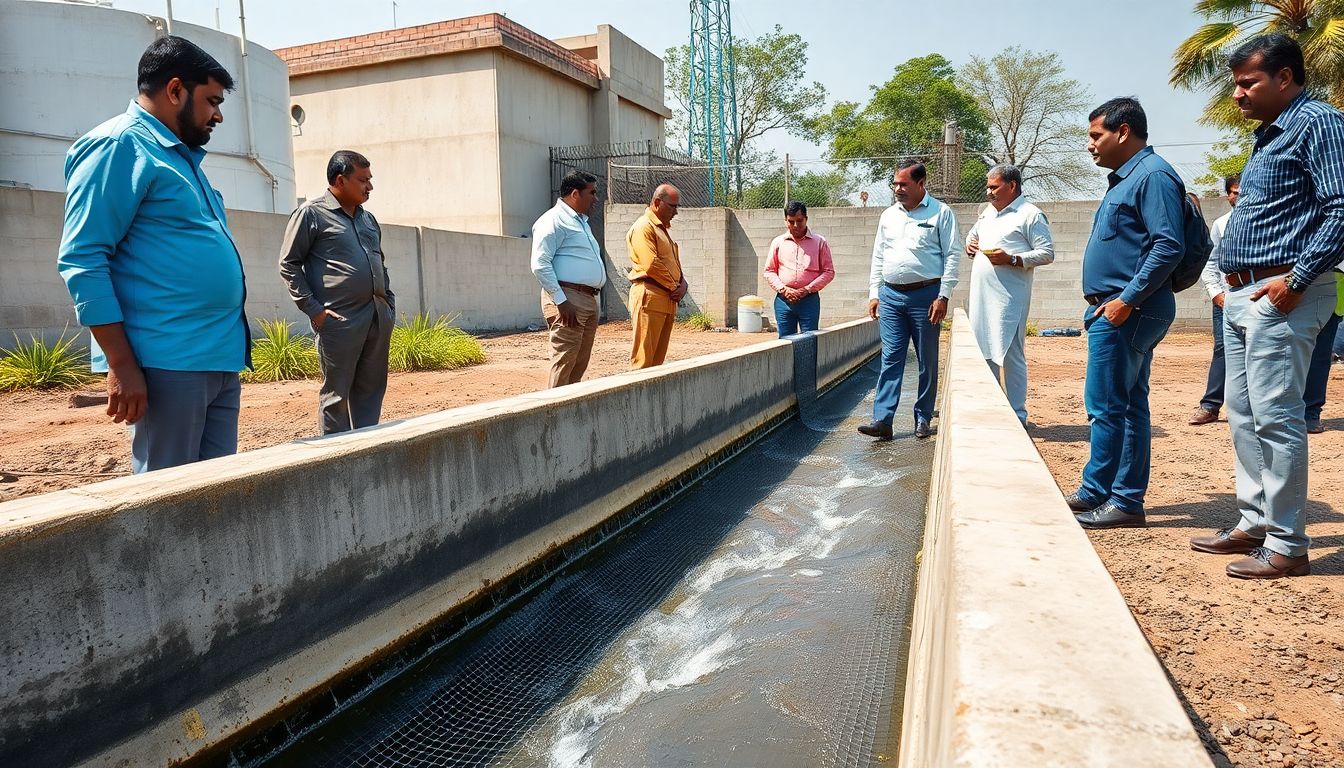
The Hyderabad Metropolitan Water Supply and Sewerage Board (HMWSSB) has launched a pilot project using Japanese Bio-Lace technology to purify polluted drain water, reviewing its performance on Friday at a sewage treatment plant in Neemkar Nagar, Sanath Nagar. HMWSSB Managing Director K Ashok Reddy, alongside representatives from the Japan International Cooperation Agency (JICA) and the Japan-based TBR organisation, inspected the 1-MLD capacity plant to assess the technology's effectiveness.
This initiative marks the first time Bio-Lace technology is being deployed in India to treat flowing water in open drains, also known as nalas, and other local water bodies. The technology has a proven track record in Japan, where it was successfully used to restore more than 400 rivers and waterways.
During the joint inspection at the Neemkar Nagar facility, officials reviewed the active filtration process. According to HMWSSB officials, initial tests conducted during the pilot phase have already shown a significant improvement in the quality of the treated water.
Managing Director K Ashok Reddy stated that the technology could serve as an effective and environment-friendly solution for pollution control in the city's urban drains. He highlighted that the system offers several key operational benefits over conventional sewage treatment plants.
Chief among these benefits is energy efficiency, with the Bio-Lace technology offering more than 50 percent in power savings. This makes it a highly sustainable option for the city's expanding infrastructure needs.
In addition to energy savings, the technology requires 70 to 85 percent less land compared to traditional treatment systems. This footprint reduction is particularly beneficial for crowded urban environments where land availability is limited.
Furthermore, the purification process is entirely chemical-free. It relies on natural microorganisms to purify the flowing polluted nala water. This biological approach not only ensures an eco-friendly treatment process but also results in lower overall maintenance costs for the water board.