Hitec City Hosts Hyderabad's First Disability Pride Fest to Advocate for Equality
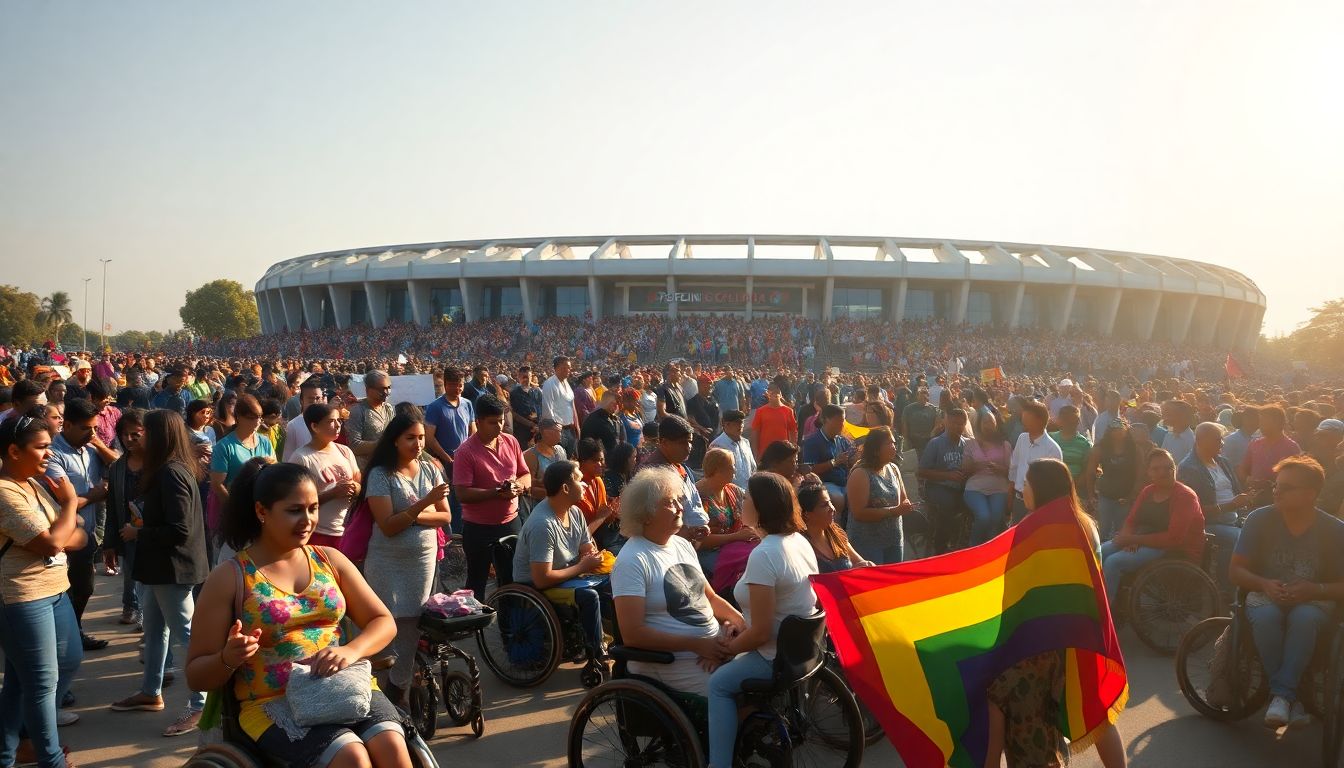
Hyderabad’s first Disability Pride Fest was held at the Phoenix Arena in Hitec City on Saturday, bringing together more than 150 persons with disabilities, activists, and allies. Organised by the BARC Disability Reading Circle in association with the Phoenix Foundation, the festival aimed to challenge traditional narratives of sympathy and inspiration by celebrating identity, community, and equal participation.
The event commenced with a screening of the Oscar-nominated documentary Crip Camp. The film traces the origins of the disability rights movement in the United States and underscores the power of collective action.
Following the screening, panel discussions focused on critical issues such as accessibility, discrimination, and identity. Speakers at the event included disability rights activist Kiran B Nayak, artist and entrepreneur Aishwarya TV Pillai, and US-based activist and writer Hope Loudon. The panelists urged the public to move beyond viewing disabled individuals with pity or as mere sources of inspiration, advocating instead for their recognition as equal members of society.
Aishwarya shared her personal journey of losing her sight, reflecting on how inaccessible resources initially forced her to give up creating art. While she noted that accessibility has improved over the years, she pointed out that many public spaces remain inaccessible despite existing legal provisions.
Kiran spoke about navigating life as a disabled trans man from the Lambada community. He highlighted the various barriers he faced in documentation, public infrastructure, and social acceptance. To counter these challenges, he urged disabled individuals to make themselves visible by occupying public spaces and sharing their lived experiences.
The festival concluded with an open mic session. Participants used poetry, music, and storytelling to express their lived experiences and speak out against ableism and inaccessible infrastructure.