Historian Traces Ancient Soma Drink Legacy in Somasila and Across Telangana
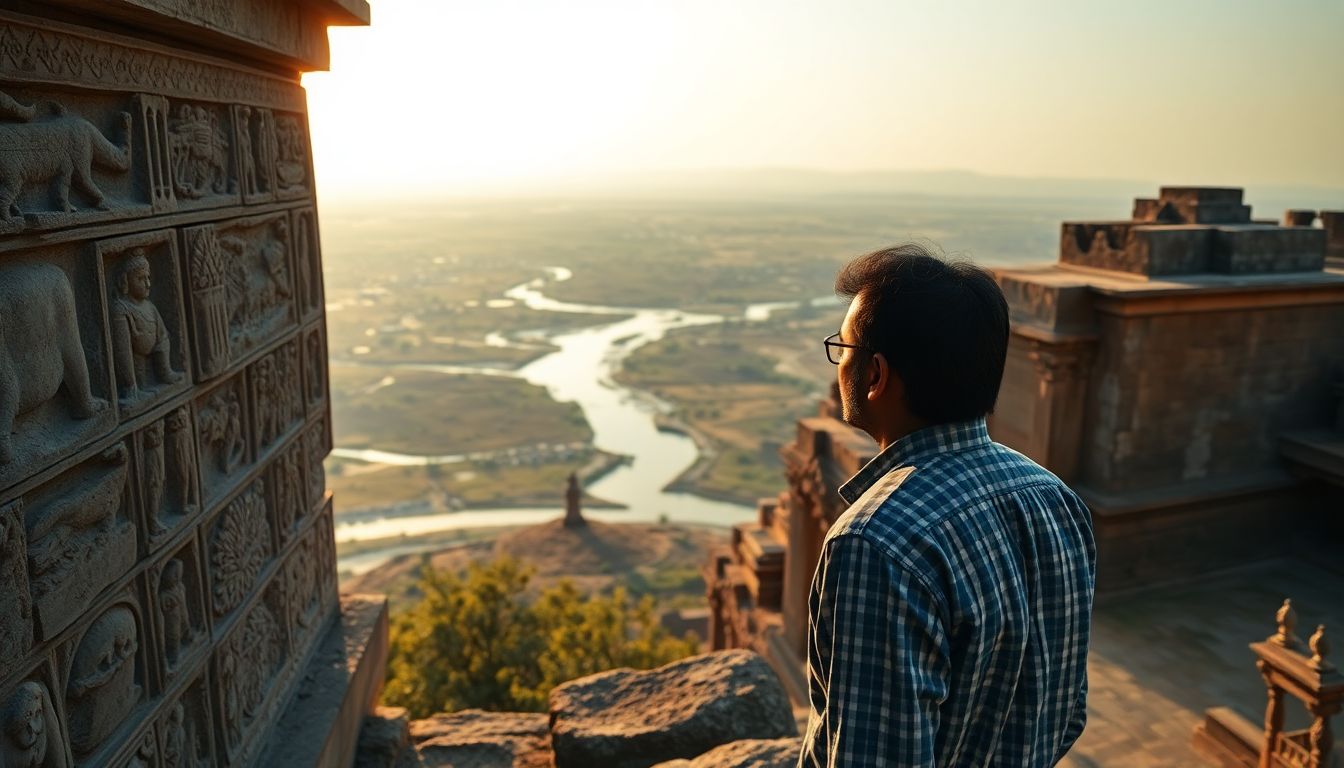
Historical research and tribal oral histories have mapped the 3,000-year-old legacy of the ancient Vedic drink 'Soma' in Somasila, located near Alampur in Telangana. Historian Dr. Dyavanapalli Satyanarayana documented how the cultural memory of the legendary beverage has survived through local temple traditions, archaeological remains, and tribal lore in the region, despite ongoing debates over the plant's true botanical identity.
In Somasila, which sits at the confluence of seven rivers near Alampur, local traditions associate the area with Sage Agastya and the cultivation of Soma plants by ancient sages near the Krishna River. Archaeological evidence from the area shows continuous human occupation since the Neolithic and Megalithic periods. Inscribed bricks bearing the words "Siddhāntam" and "Andhira Lokam" suggest that intellectual and ascetic traditions have existed in Somasila for nearly three millennia.
The research also highlights historical traditions in Chennur on the Godavari River. Sage Agastya is believed to have halted near Chennur, where the Agastyeswara temple stands. Local belief holds that knowledge of the Soma drink accompanied him into the Godavari valley.
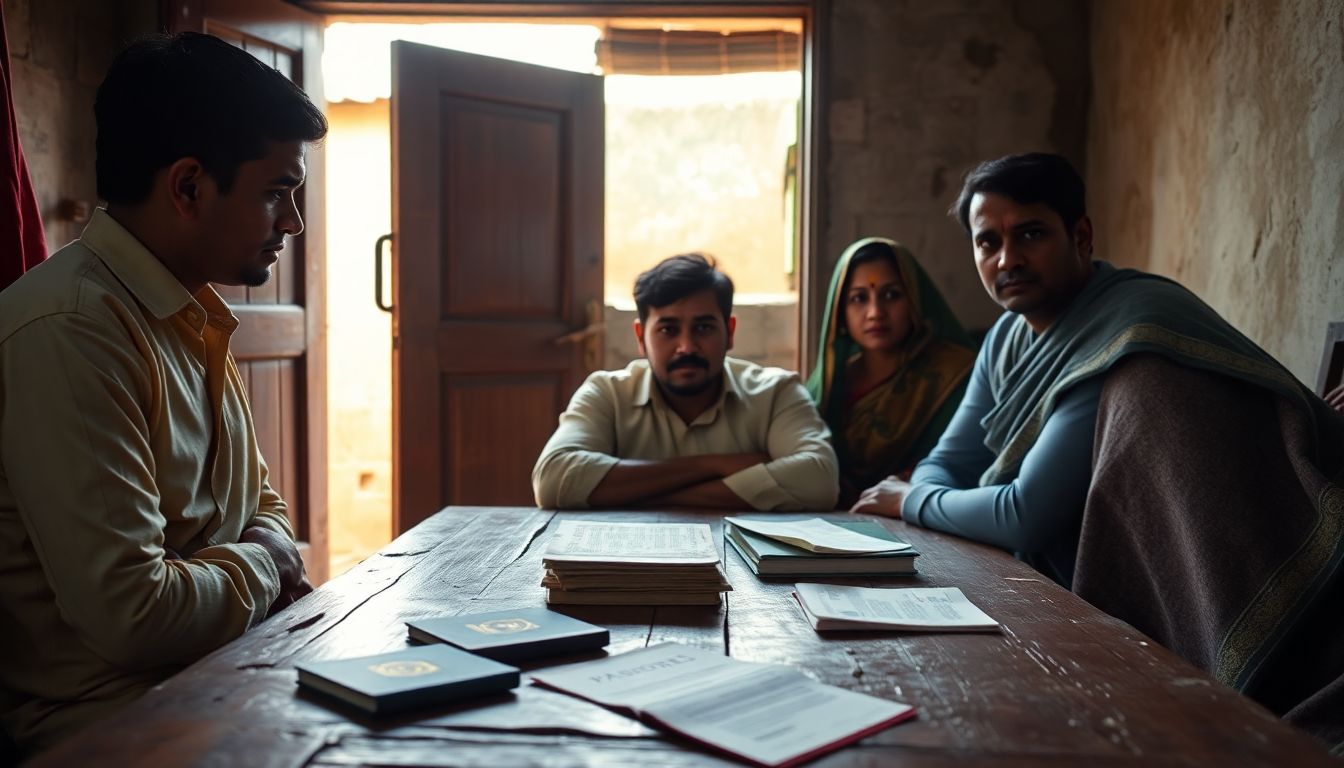
Tribal communities in Telangana have preserved memories of Soma in their oral histories. In 2016, a Naikpod tribal elder recounted that revolutionary leader Kumram Bheem claimed in the late 1930s to possess knowledge of Soma to protect tribal youth during their struggle against the Nizam's administration. Additionally, Gond elders in Mathadiguda near Utnoor and near the Gundala waterfall in Adilabad documented medicinal plants like the Khando plant with life-prolonging properties.
In the Nallamala forests, Chenchu tribal elders like Thokala Guruvayya shared knowledge of rare medicinal plants. Historically, Chenchus mixed Soma wood extract with Ippa liquor for longevity. The region's association with immortality led to it being called Amaragiri. Later, the Vishnukundin rulers in the 4th century CE styled themselves as the "Lords of Amarapuri," and the 14th-century alchemical text Rasaratnakaram by Nityanatha Siddha continued to discuss Soma.
While these traditions survived for centuries, they have begun to fade. In the village of Chegyam on the Godavari River, elders previously spoke of a Soma-like creeper called Dussaveru, believed to bring health and wealth, though such local conversations have gradually disappeared in recent decades.