GSI Investigates Three Adilabad Blocks for Limestone Mining
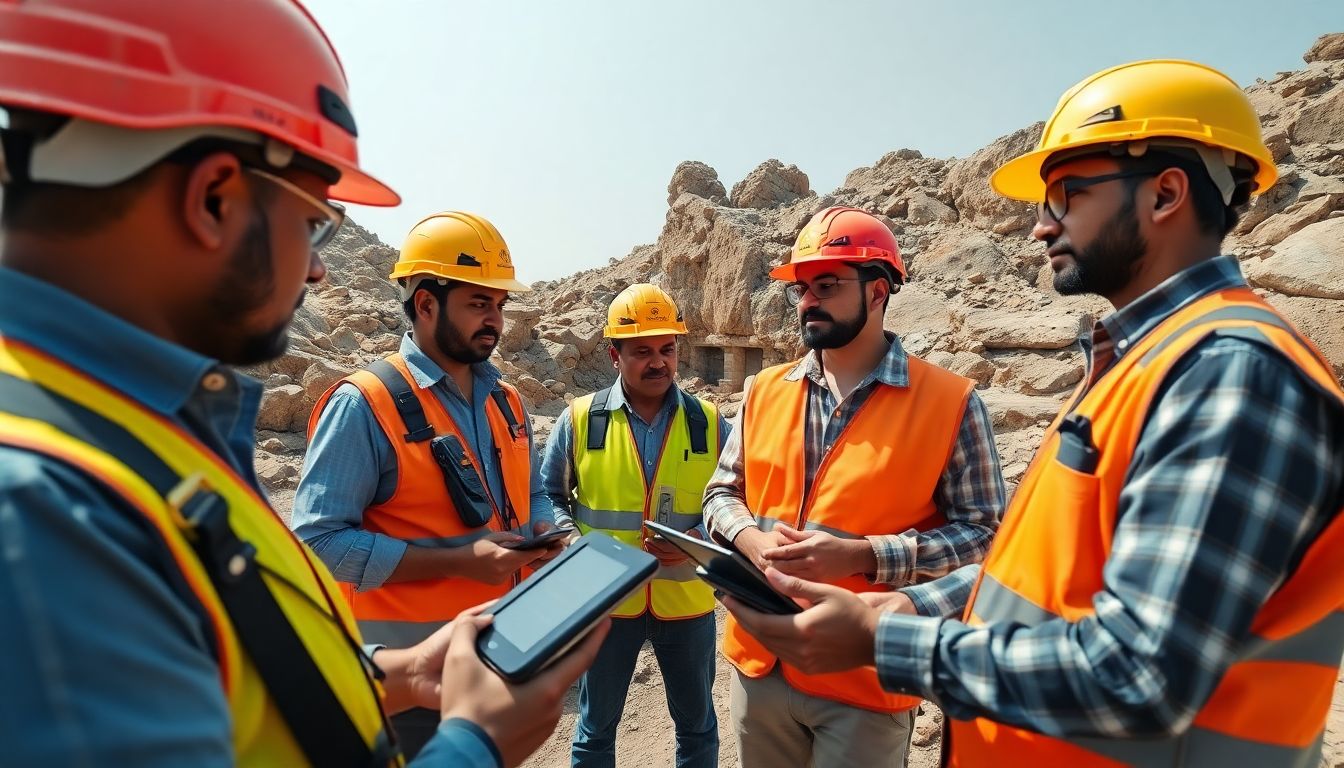
The Telangana unit of the Geological Survey of India has launched field-level investigations across three locations in Adilabad district to identify high-potential limestone reserves for mining. The baseline geosciences assessment is aimed at supporting the potential establishment of private sector cement manufacturing units in the region.
Geologists have undertaken G3-stage field investigations across the Lakshmipur and Pippalgaon blocks in Jainad mandal, as well as the Tamsi block in Bheempur mandal, corresponding to topo sheet numbers 56/5 and 56/10. GSI officials have sought the support of the district administration to facilitate the ongoing surveys.
Local residents in the identified villages confirmed that scientists have already conducted preliminary site visits and interacted with the community. As part of the technical assessment, GSI teams plan to dig borewells to extract samples, verify deposit volumes, and determine the grade of the limestone present beneath the surface.
The exploration activities have drawn mixed reactions locally. Farmers in the surveyed tracts have voiced apprehension, recalling land acquisitions for the former Cement Corporation of India unit in Adilabad. That public sector facility began operations in 1984, employing roughly 4,000 workers directly and indirectly, before halting production in 1996 and shutting down permanently in 1998.
Vijjagiri Narayana, co-convenor of the CCI Sadhana Committee, noted that reviving the defunct CCI plant itself would generate substantial employment for local youth and strengthen the regional economy. Meanwhile, private cement companies have shown strong interest in the district's extensive limestone deposits.
Separately, privately owned Renuka Cements has moved to advance its proposed plant at Ramai Rampur in Sathnala mandal. Following representations by displaced Adivasi landholders to the National Commission for Scheduled Tribes regarding project delays, the firm accelerated construction activities and began hiring local tribal workers.