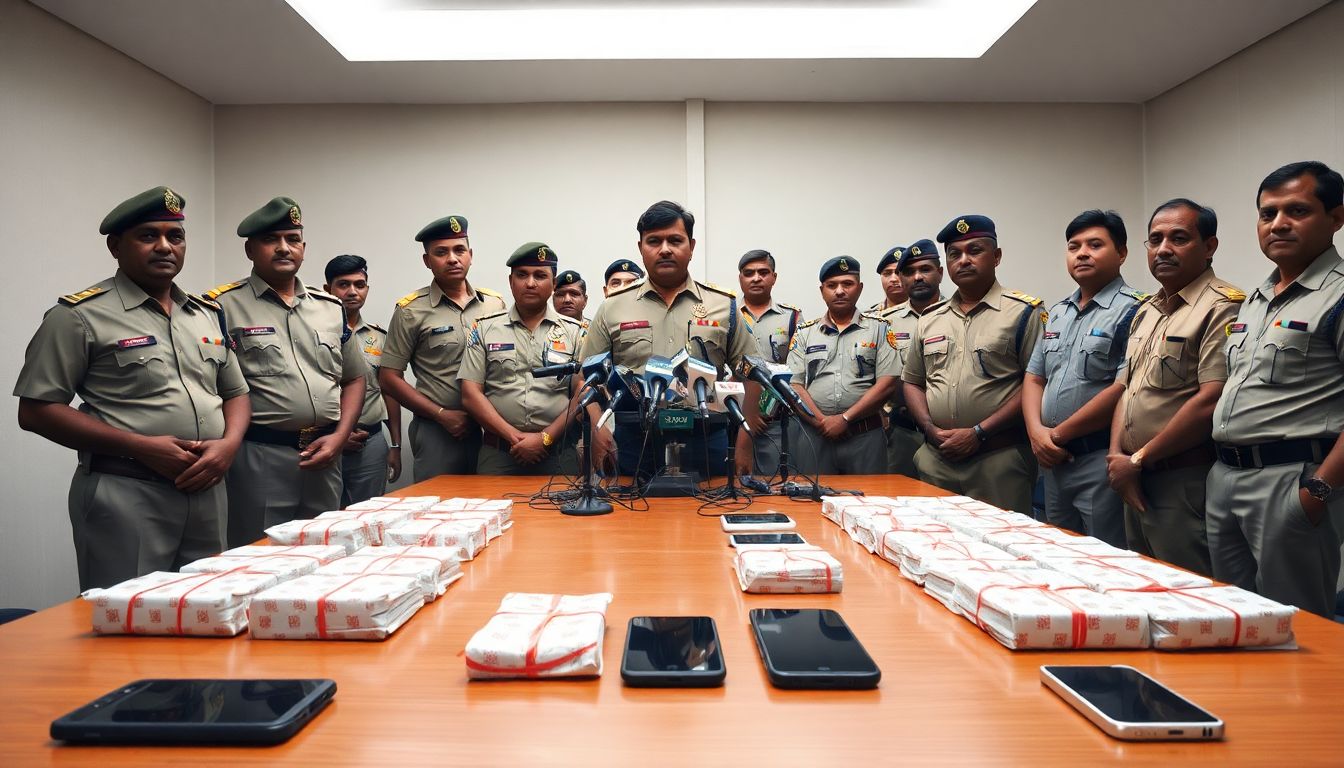
Future City Police Seize ₹6.78 Crore in Fake Notes in Kuntloor, Arrest 4
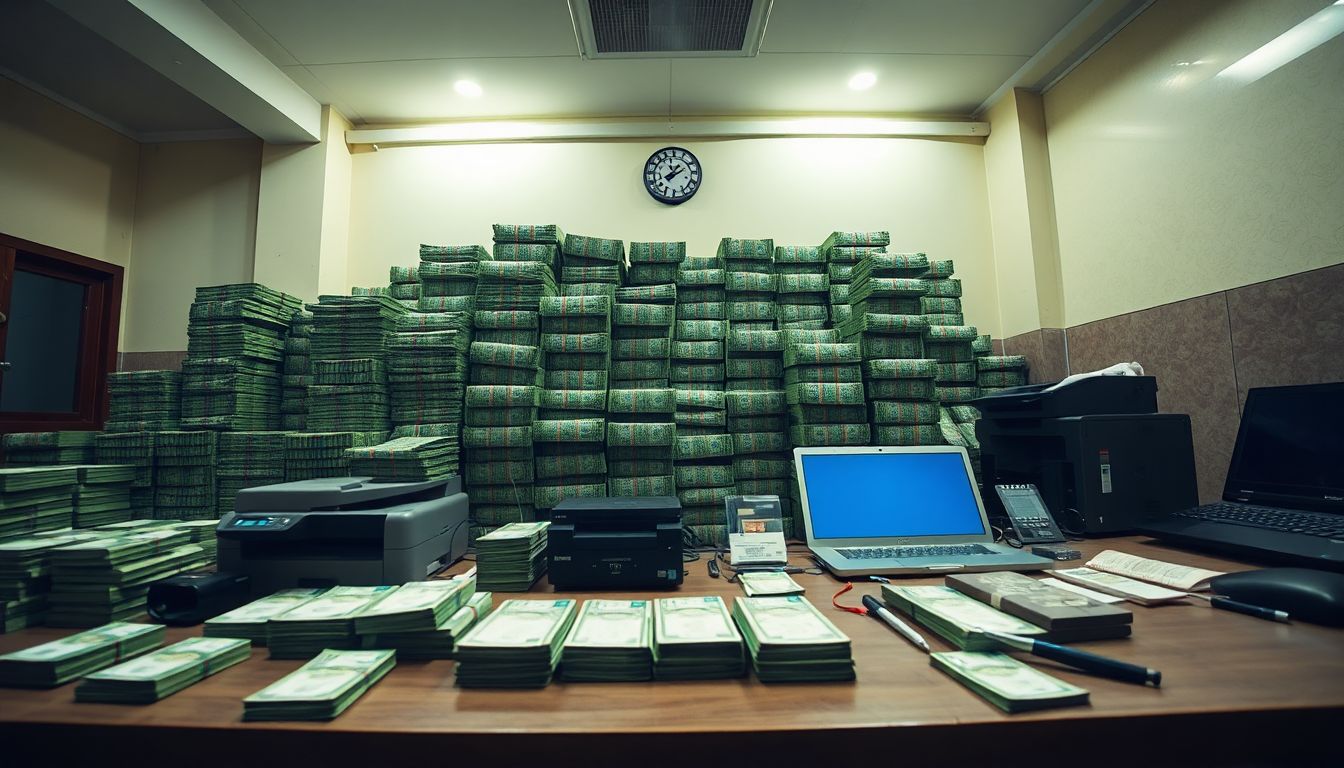
Future City Police have seized counterfeit currency worth ₹6.78 crore after busting a fake note printing unit operating from a rented house in Kuntloor. Four persons were arrested in connection with the racket, which focused on producing and circulating fake ₹500 notes.
Police teams confiscated fake ₹500 currency notes amounting to ₹6.78 crore, alongside high-end printers, a laptop, and other printing materials from the residential unit. Investigators revealed that one of the four arrested suspects had previously been charged in a similar counterfeit currency case in Andhra Pradesh. In addition to printing the fraudulent currency, the accused cheated prospective buyers by posing as police personnel and taking away their genuine cash.
Addressing the seizure, Telangana Law and Order Director General Mahesh Bhagwat stated that public awareness remains essential to prevent counterfeit currency from entering circulation. Bhagwat advised citizens to closely examine currency notes, noting that genuine notes produce a distinct crackling sound when folded, bear visible Reserve Bank of India markings, and feature intaglio markings for visually impaired individuals. He noted that counterfeit notes frequently differ slightly in size, and urged commercial businesses using counting machines to upgrade to advanced models capable of detecting fakes.
The Kuntloor case brought the issue of currency counterfeiting back into focus alongside National Crime Records Bureau (NCRB) data for 2024. According to the bureau, India registered 746 counterfeiting cases during the year, with 14 cases documented in Telangana, including five in Hyderabad. Out of the nationwide total, 494 cases were charge-sheeted, 1,196 suspects were arrested, 159 individuals were convicted, and 1,988 cases remained under investigation by year's end.
Bhagwat traced the region's counterfeiting history back to March 1999, when the first counterfeit currency case in undivided Andhra Pradesh was registered in Lingampet, then in Nizamabad district and now part of Kamareddy. In that incident, a shopkeeper reported a suspicious ₹500 note, leading investigators to uncover a Bengaluru-based network using colour printers. That case, which resulted in six arrests and sparked political allegations against the state administration, was ultimately transferred to the Central Bureau of Investigation.